The Waitomo Cave Experience—Wet & Wild Subterranean Adventure, North Island, NZ

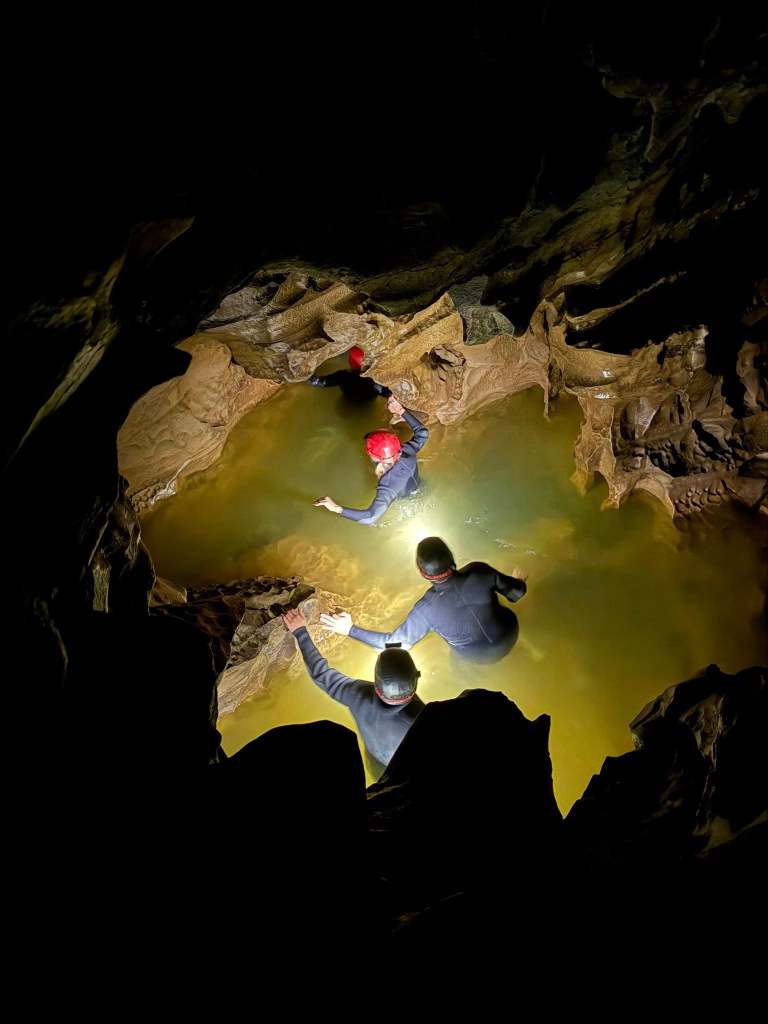
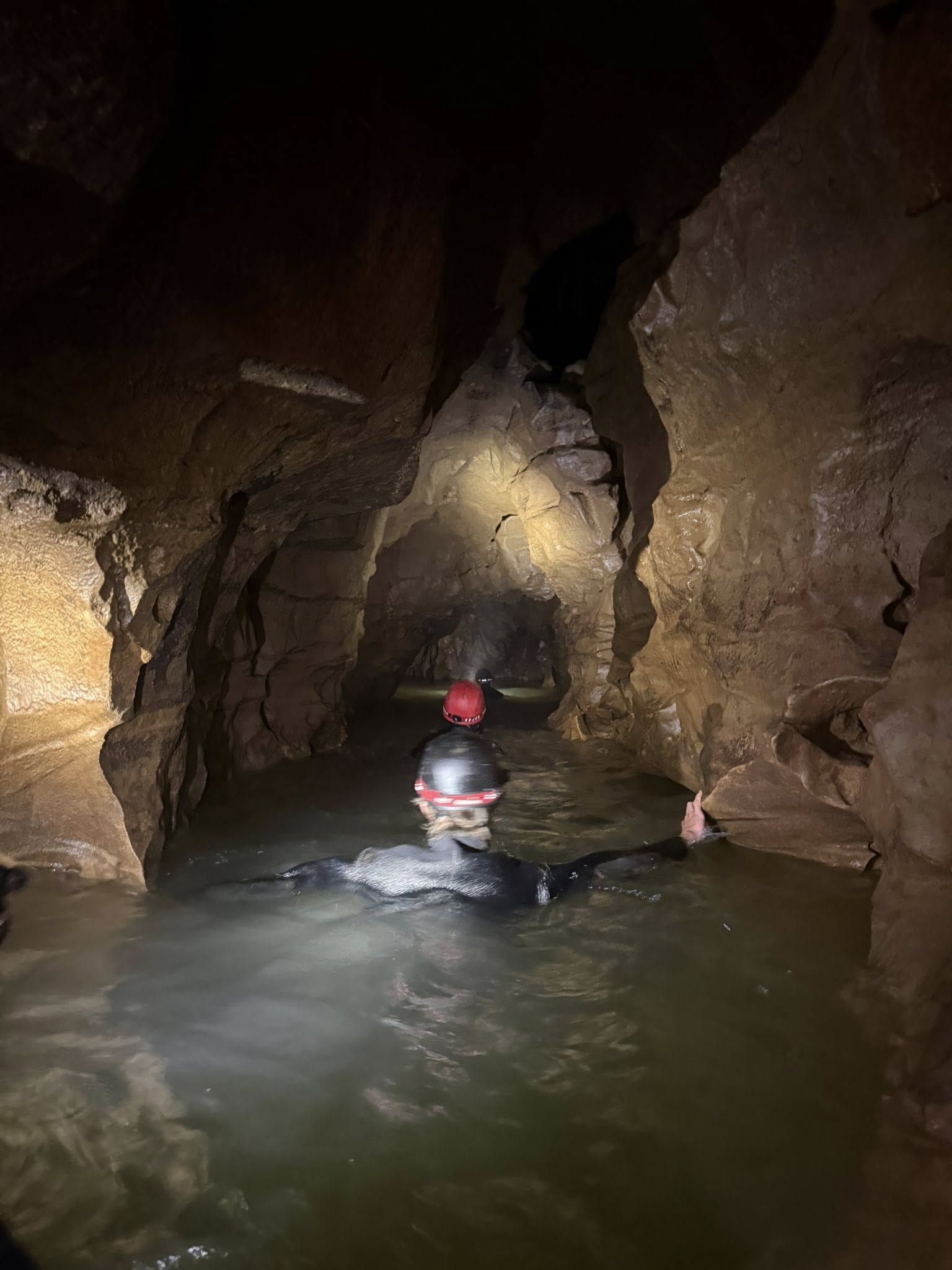
Disclaimer: none of the photos were taken by me, as we had to leave our cameras behind. In hindsight, that was for the best—having both hands free was essential given the slippery, wet, uneven, rocky terrain, and the crawling, wading, and swimming sections.

First Some Cave Context

Years ago, while traveling in Thailand, I explored a couple of miles of the Chiang Dao Cave—fascinating and not especially sketchy (unless you count the thousands of bats and the one tight crawl space).

Then, a year later, along with the rest of the world, I followed the nine-day saga of the boys’ soccer team trapped in a similar cave after monsoon rains flooded it. I remember thinking, “Yeah… I probably won’t be going into a cave again anytime soon.

Well, nearly ten years later, here I am at the Waitomo Cave Experience. My travel partner chose this one, and I wasn’t about to be a spoil sport. So, I wrestled myself into a thick, heavy wetsuit, squeezed on the white rubber “go-go” boots, and trudged off in slow motion with the rest of our oversized sloth of a group, crossing the oddly undulating pasture—hinting at the contours of the cave below—toward the woods.

At the edge of the woods, we climbed down a steel ladder, descending into the pitch-black, damp abyss of the Okohua Cave, and the adventure began… We switched on our headlamps—bright third eyes piercing the darkness and, just as often, blinding one another.

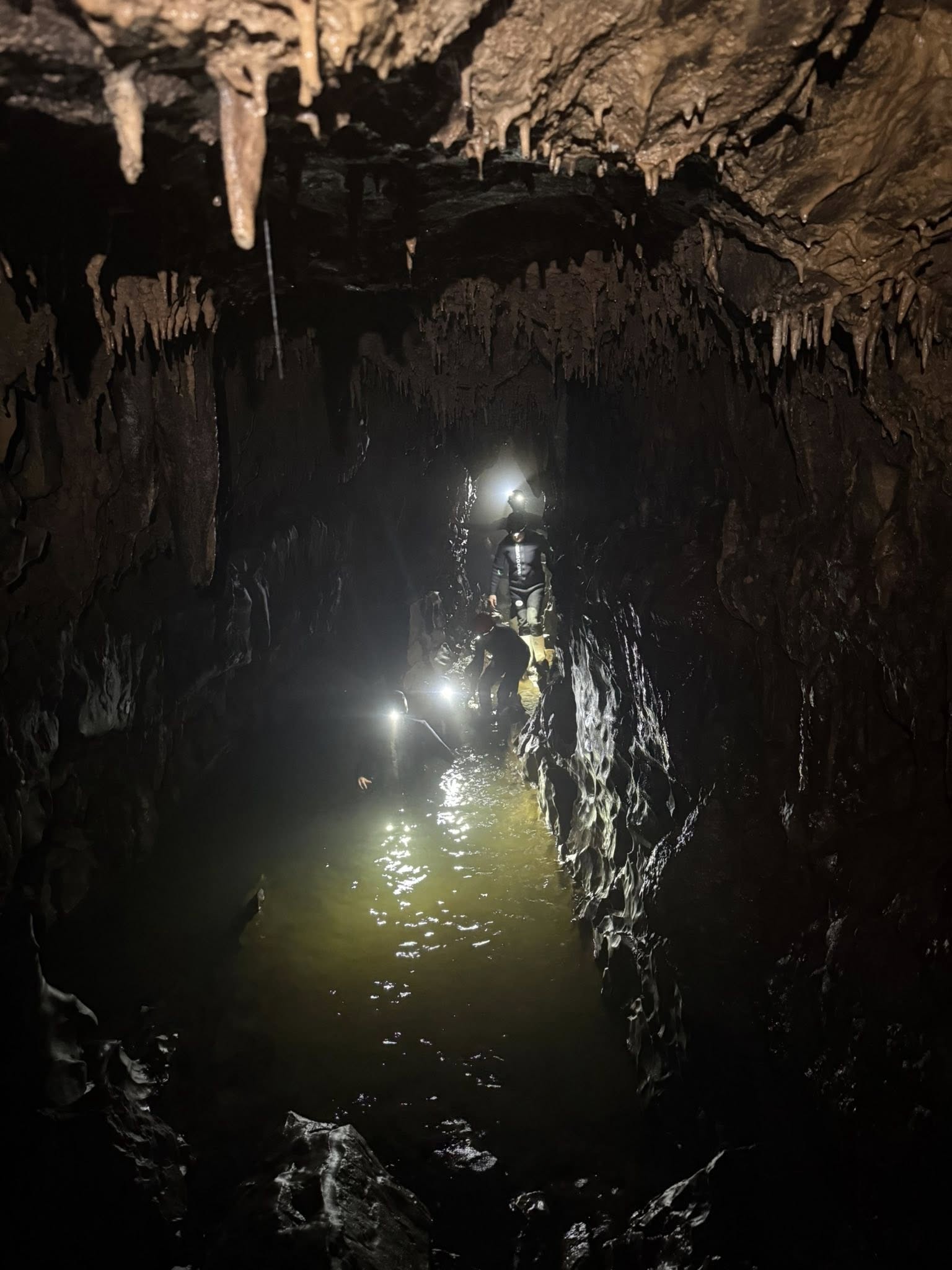
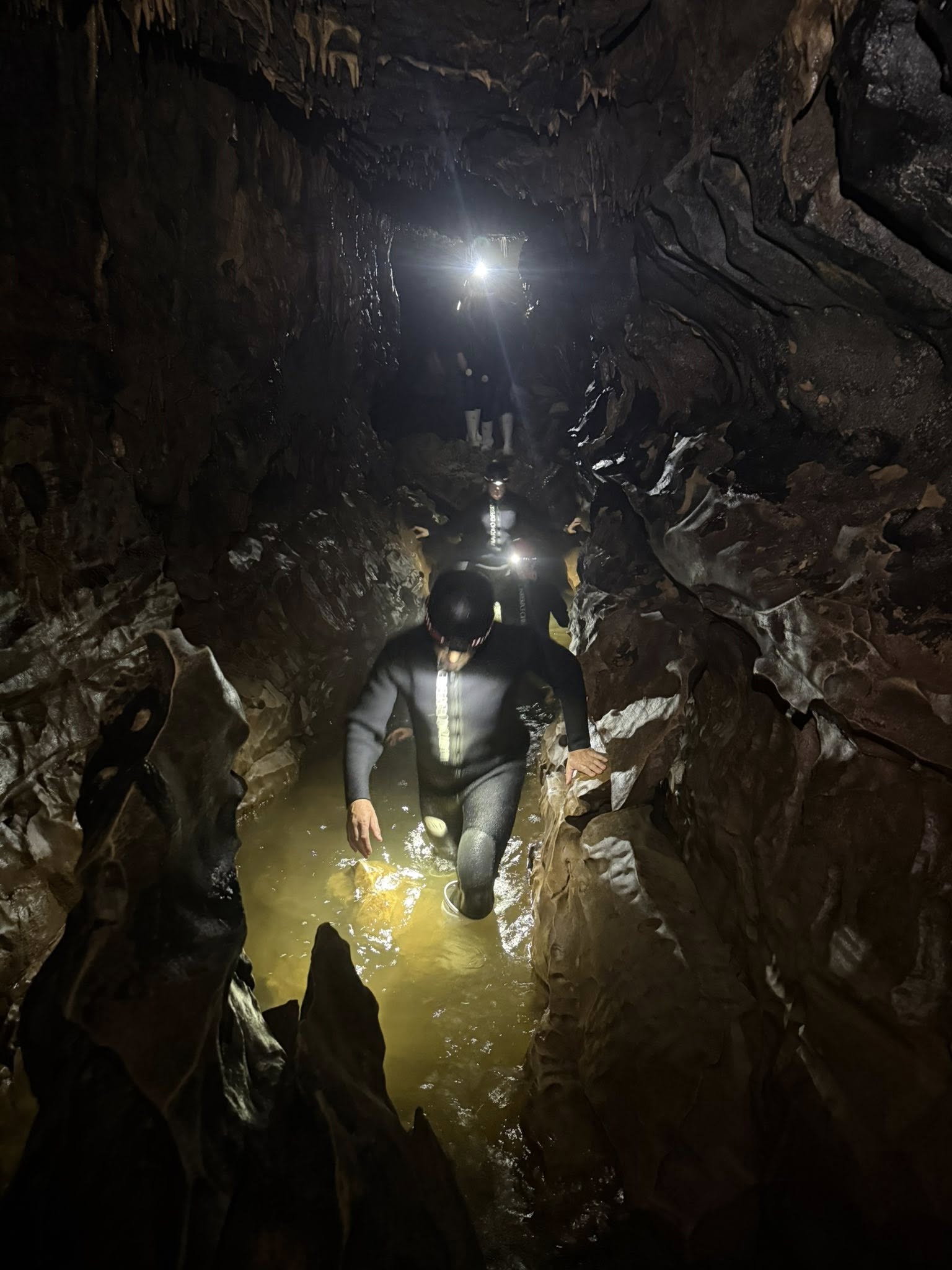
After casually warning us to stay put if anything happened to him, our guide led us into the narrow, watery “slot canyons” of the 30-million-year-old limestone grotto.

“Watch your head!” “Watch your footing!” And “Hands off!” the dripping stalactites and other stalagmite formations. It was slow going.
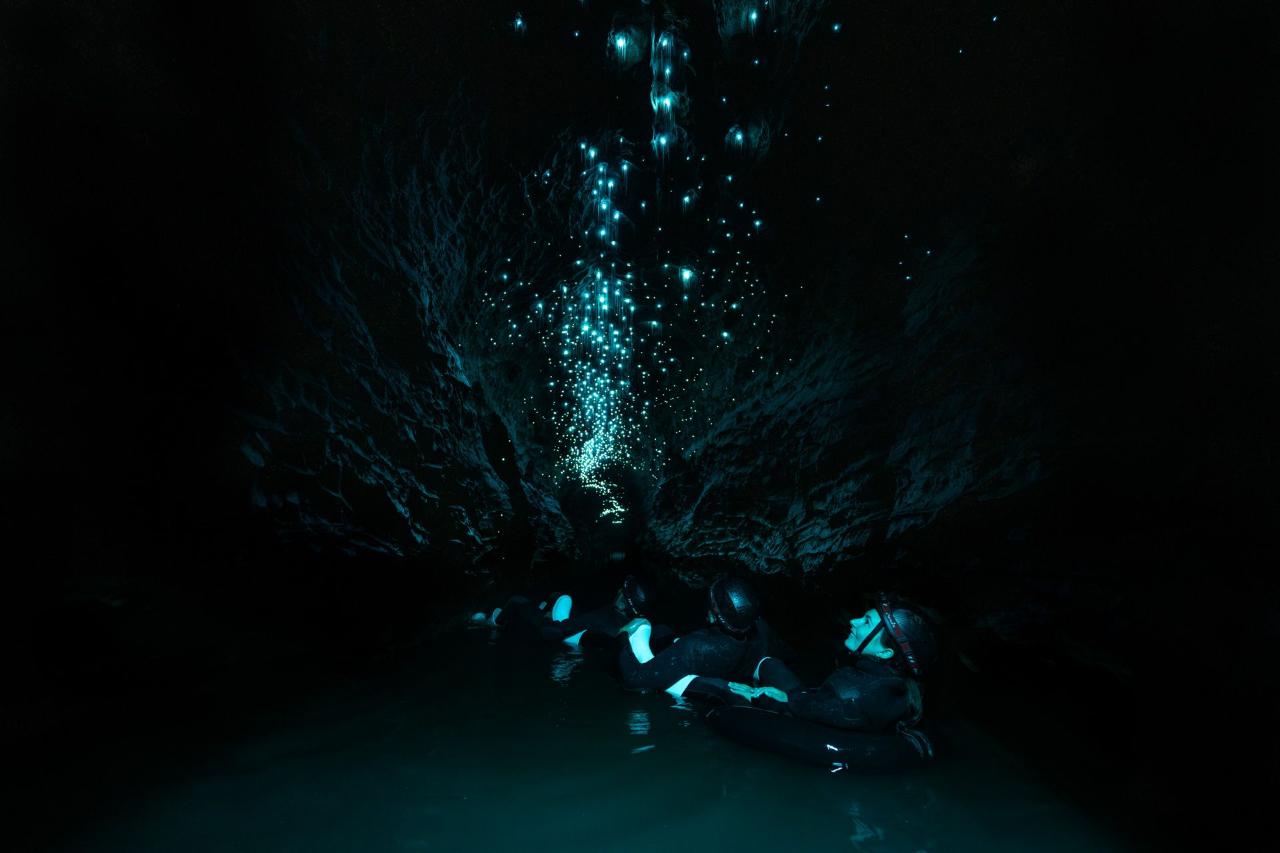
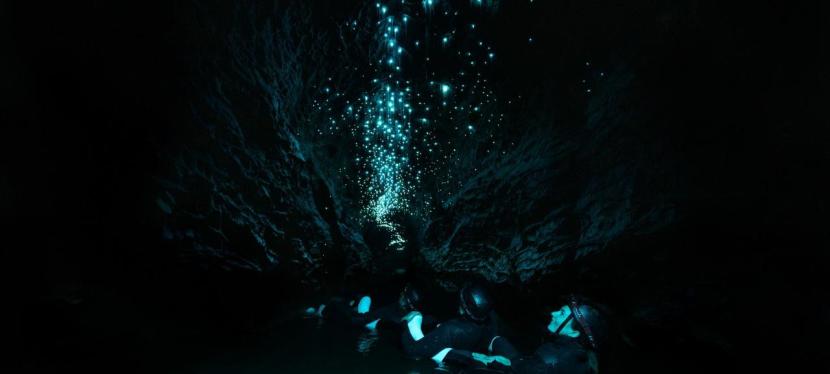
We stopped several times to turn off our headlamps and gaze up at the dark “sky” bespeckled with tiny lights from thousands of bioluminescent Arachnocampa luminosa (glow worm) larvae. (“Better worms than bats, I say.”) It was a lovely sight indeed.

Later, we’d enter a canyon with deep water where inner tubes were waiting for us for a cruise down glow worm alley. It was magical and mesmerizing. The once chatty group fell silent in awe.
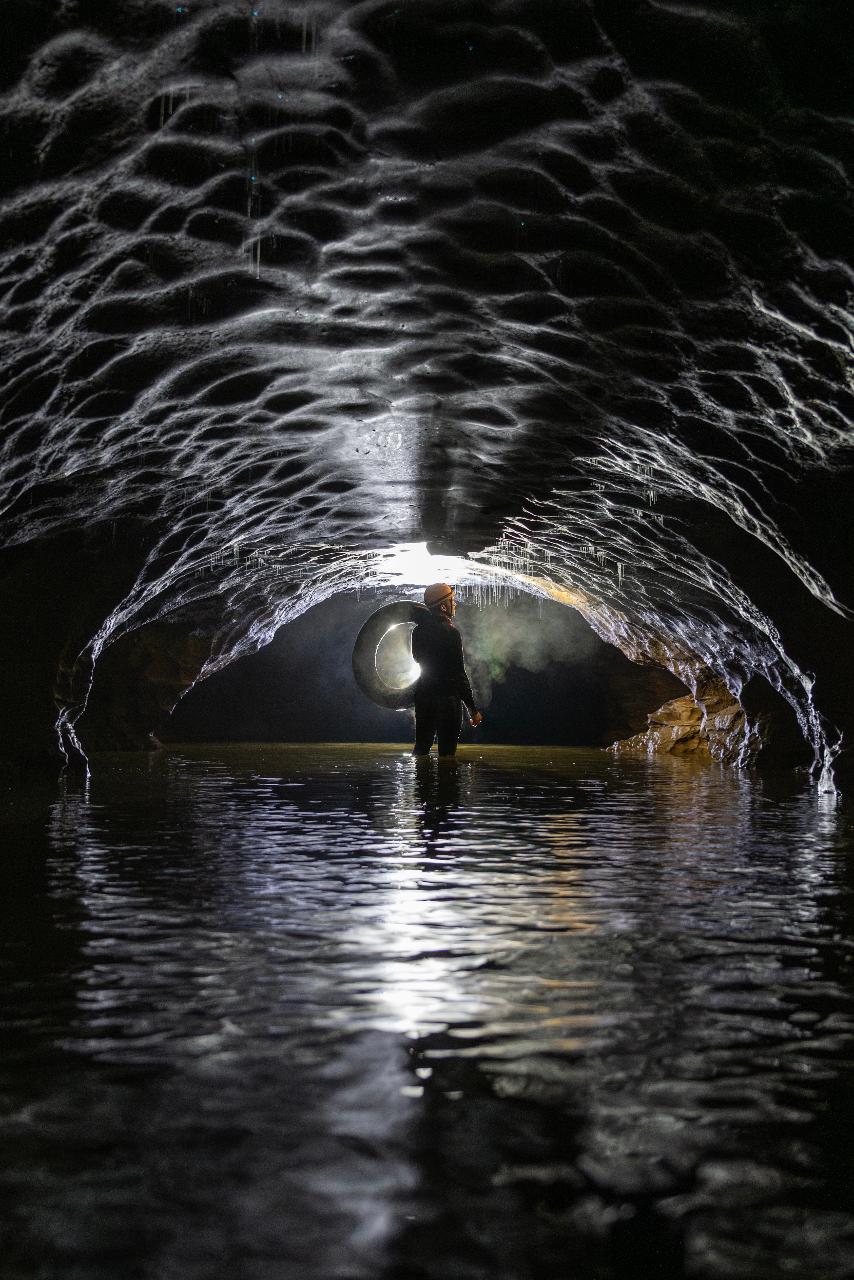
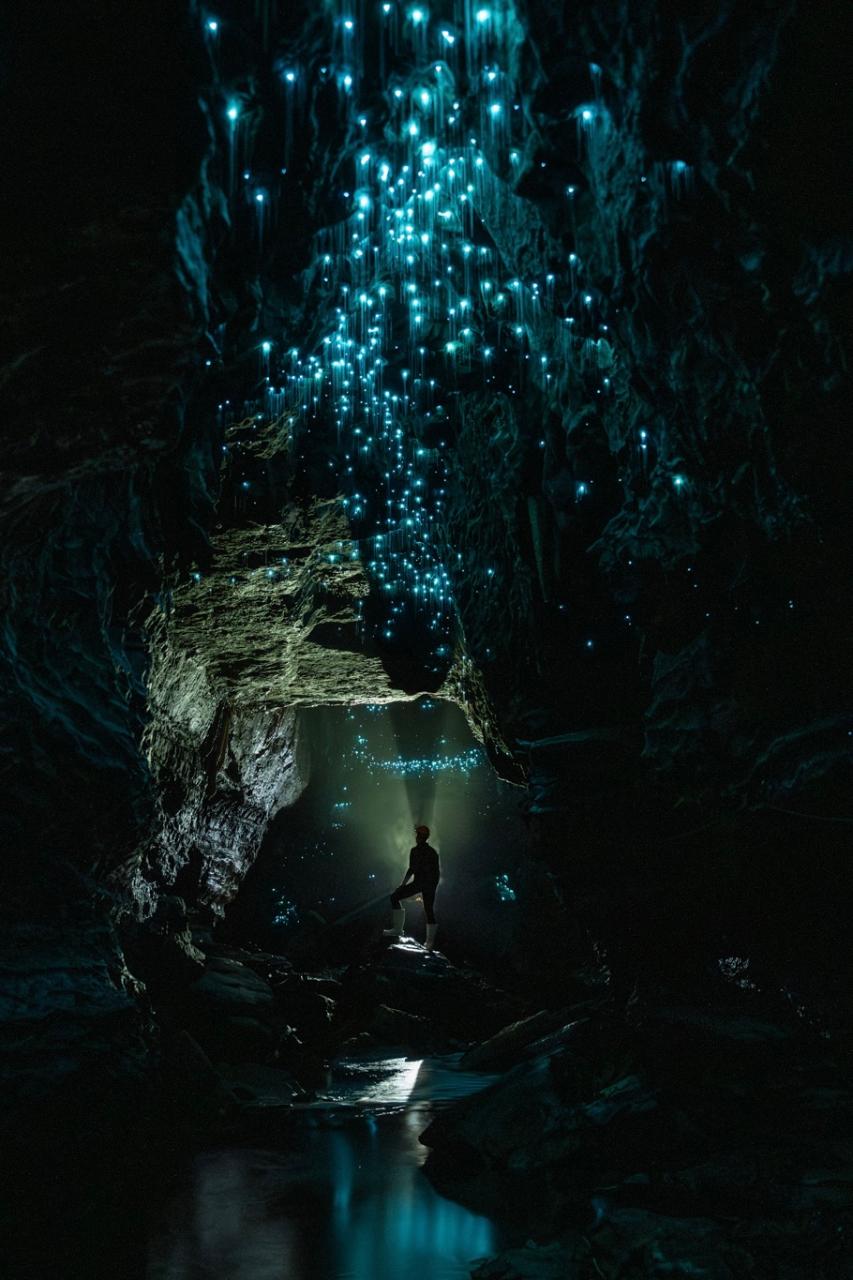
Photo Credits: The Waitomo Cave Experience website.

If you’re slightly claustrophobic like me, adding water to the equation amplifies it…as do the low ceilings and narrow tunnels. Of course, learning that you’ll be underground for over 3 hours and knowing that you can’t simply, easily, and quickly exit also contributes to that constricting feeling…Not to mention the heavy wetsuit weighing you down…

As a yogi, I practiced my relaxation breathing and tried to stay in the moment. There were a couple of opportunities to bypass the tighter, belly crawling, face-first-into-the murky water routes, but, well, where’s the fun in that?

It was an amazing adventure for sure, but I probably won’t be going into another cave anytime soon…(Yeah, I know…)

Happy Adventuring!
Easy Waterfall Hikes With Ravishing Rewards, Tongariro National Park, NZ: Tawhai & Taranaki Falls

Founded in 1887 and officially established in 1894, Tongariro is New Zealand’s oldest national park and the 4th in the world. It is a dual UNESCO World Heritage site, recognized for both its outstanding natural volcanic features, including 3 active volcanoes: Mt. Ruapehu, Mt. Ngauruhoe, and Mt. Tongariro, and its cultural significance to the native Māori people.

Tawhai Falls                  Distance: < .50 Mile                               (Ranking 6th of the Top Hikes in Tongariro National Park per AllTrails.)

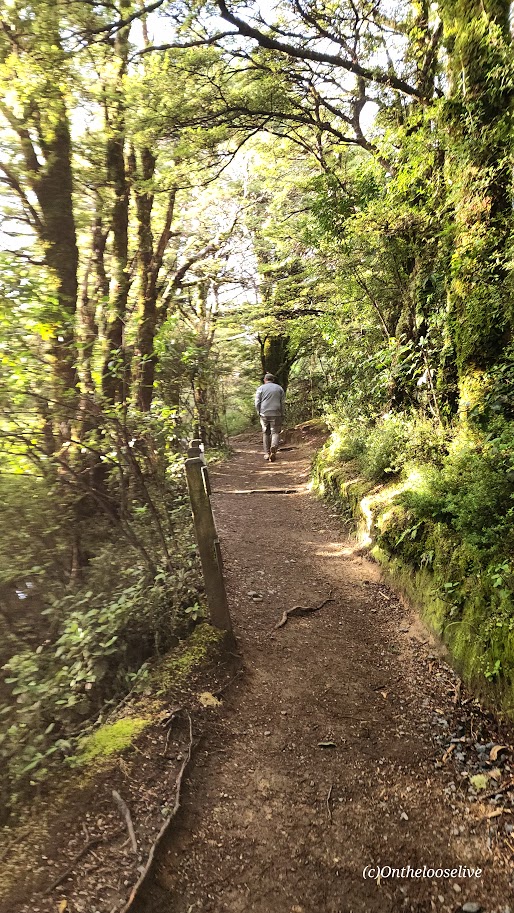
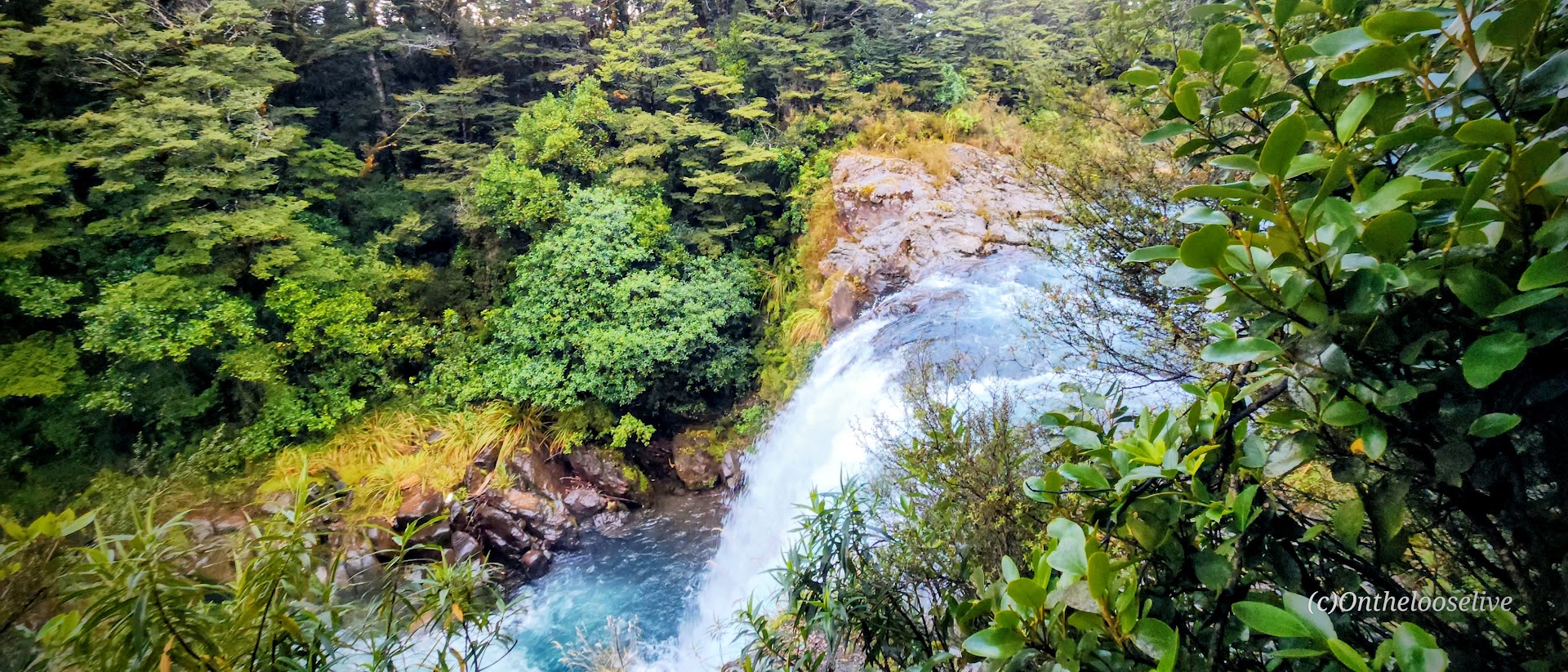
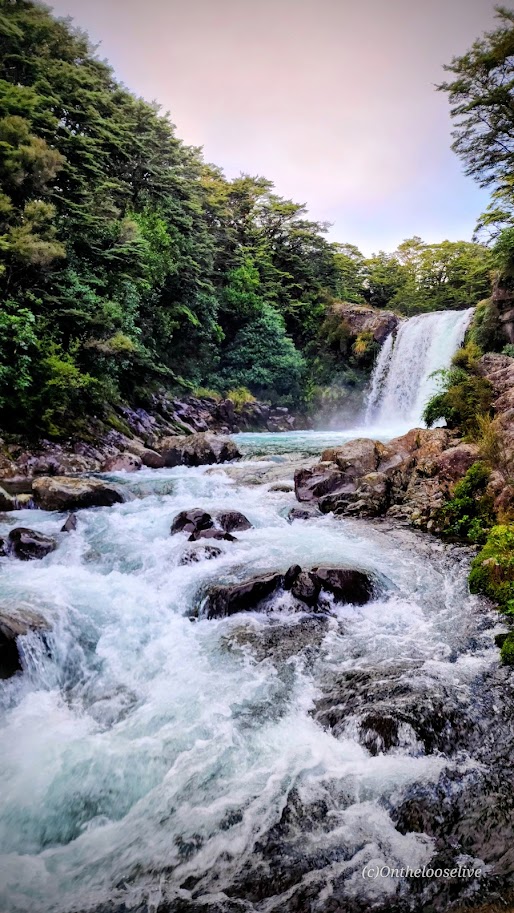
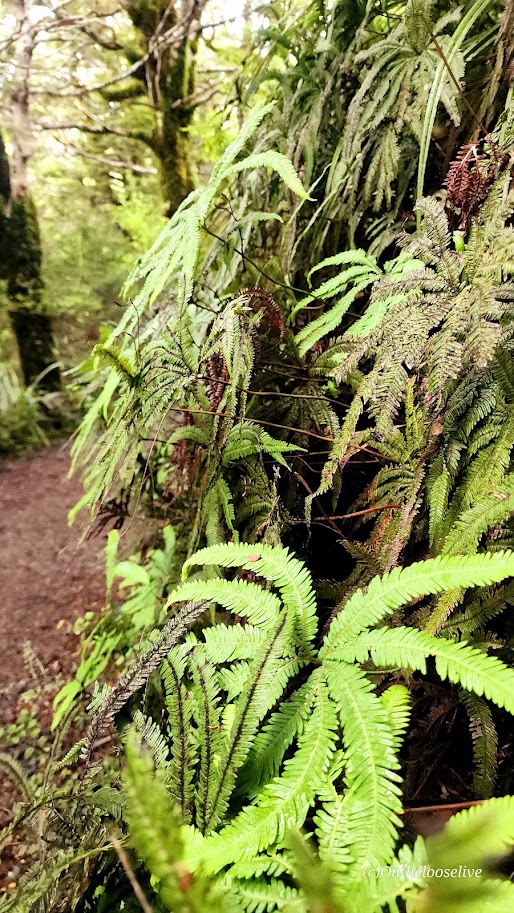
Up for a tame, super short stroll to a lovely waterfall? Tawhai Falls won’t disappoint. It’s an easy walk through the forest on a smooth trail to see the gorgeous, rushing, crystal-clear, turquoise waters of this 42-foot-high waterfall. You can take in the views from the top viewing platform and then follow the water’s journey to the base of the falls.

Getting to Tawhai Falls: It’s right off the SH48, about 2.5 miles below Whakapapa Village. Look for the large sign.

Taranaki Falls              Distance: 3.73 Miles (The #2 Top Hike in the Park per AllTrails.)

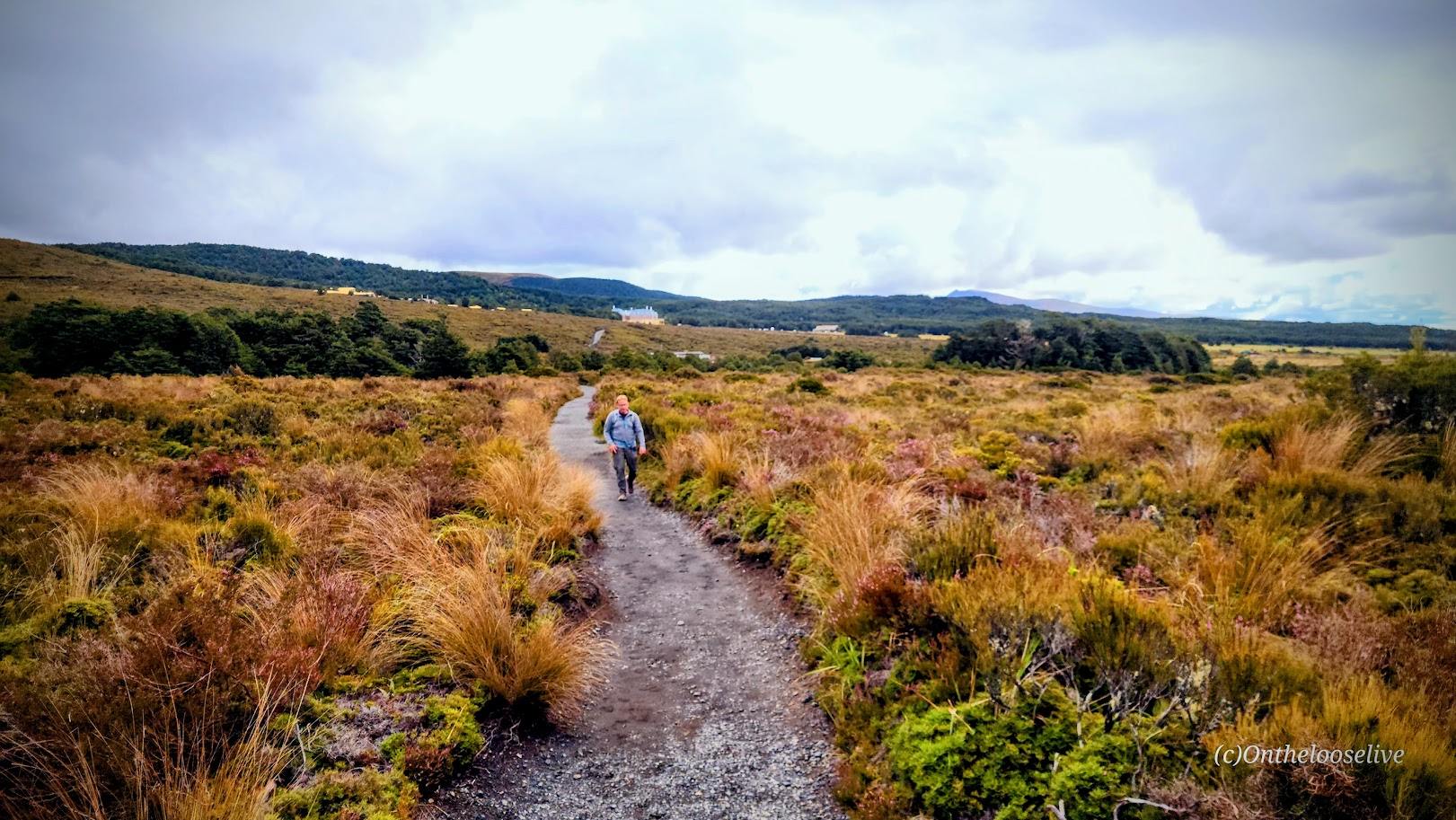
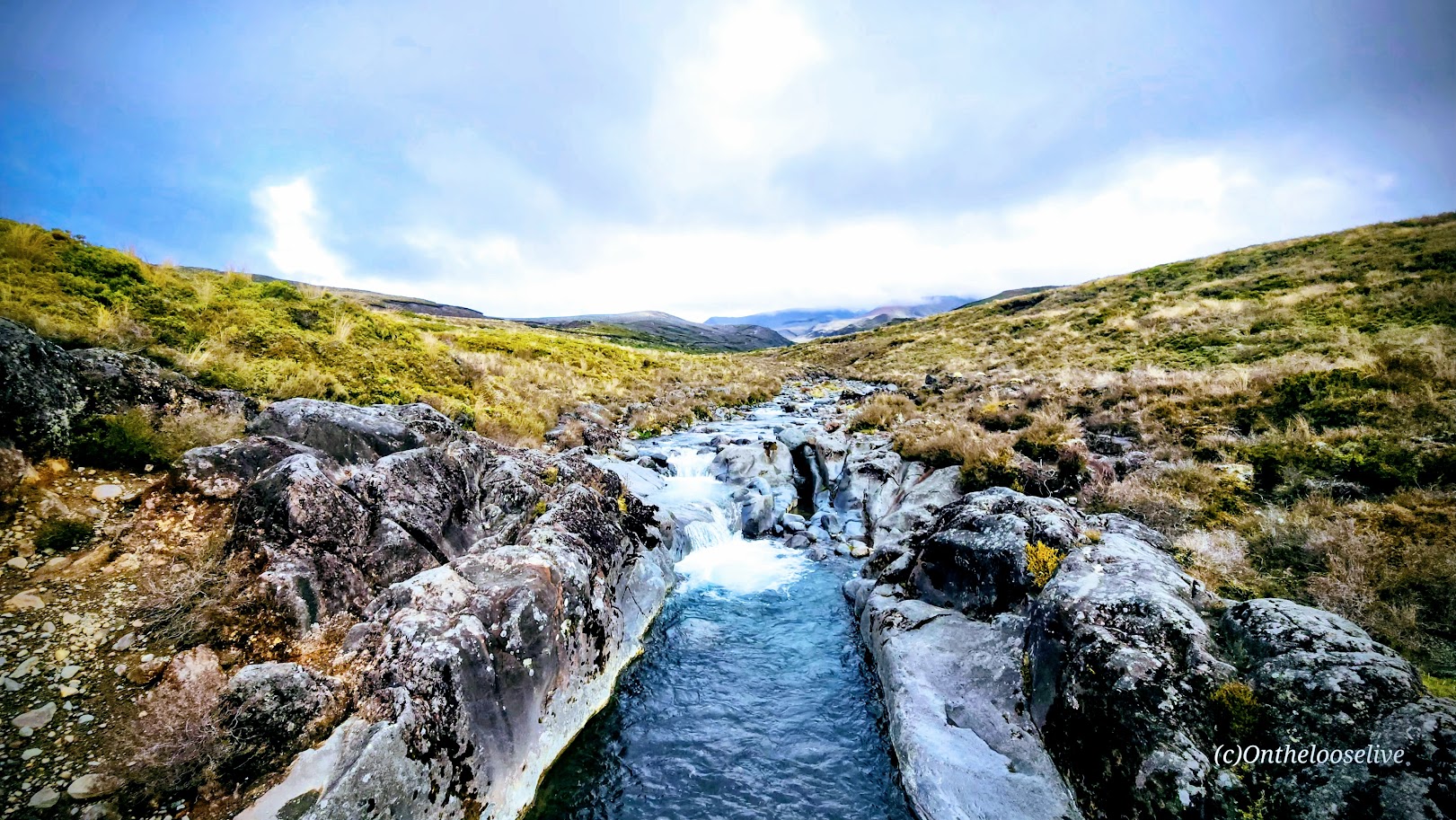
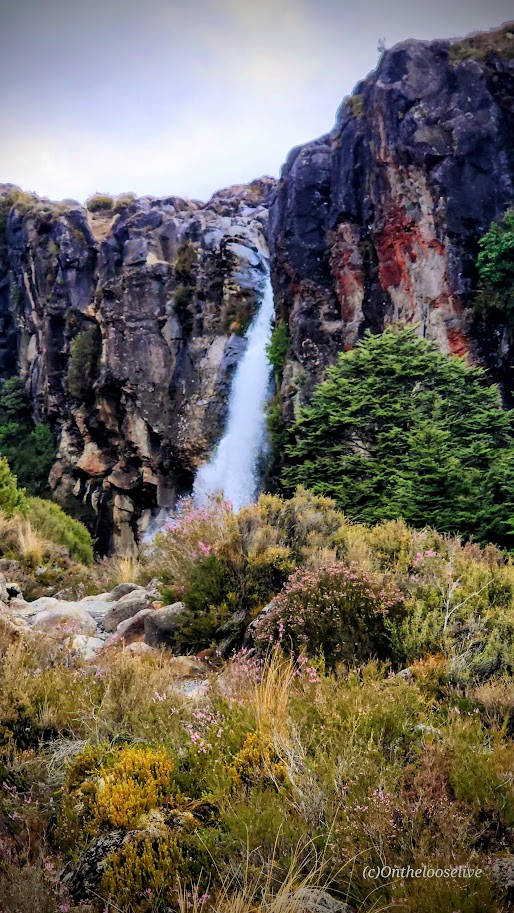
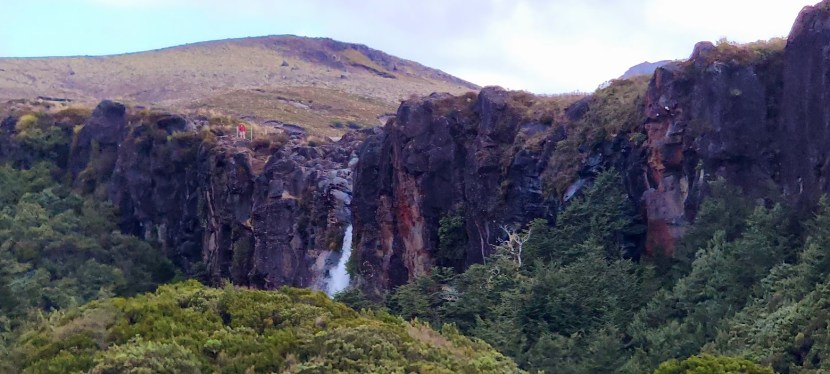
Another tame and short walk to a waterfall is Taranaki Falls. Here, you’ll walk through the tussock (a golden, coppery red ornamental grass that is native to New Zealand) and alpine shrublands, enjoying expansive views of mountains and the beech forest, until you come to the star of the show— the dramatic 65 ft Taranaki Falls tumble down from top of the volcanic cliffs (formed by the Ruapehu eruption of 15,000  years ago) to a natural, boulder-ringed pool below.

In my opinion, this loop is most scenic clockwise, with the reward of rounding a corner for the big reveal (versus the anticlimax of seeing the comparatively anticlimactic top of the falls first). From the falls, the track climbs up to loop back, or you can continue your hike on the Tama Lakes Track (post to come).

Getting there: The trail starts from the road about 100 yards below the Whakapapa Visitor Centre.

Happy Trails and Waterfall Chasing!

Backcountry Vibes Without a Big Hike, Tokopah Falls Trail, Sequoia National Park, CA

Distance: 3.4 Miles

Elevation Gain: 615 ft

Difficulty: Easy, depending on your fitness level and sensitivity to altitude (as the trailhead is at 6,700 ft and the falls are at ~7,315 ft)

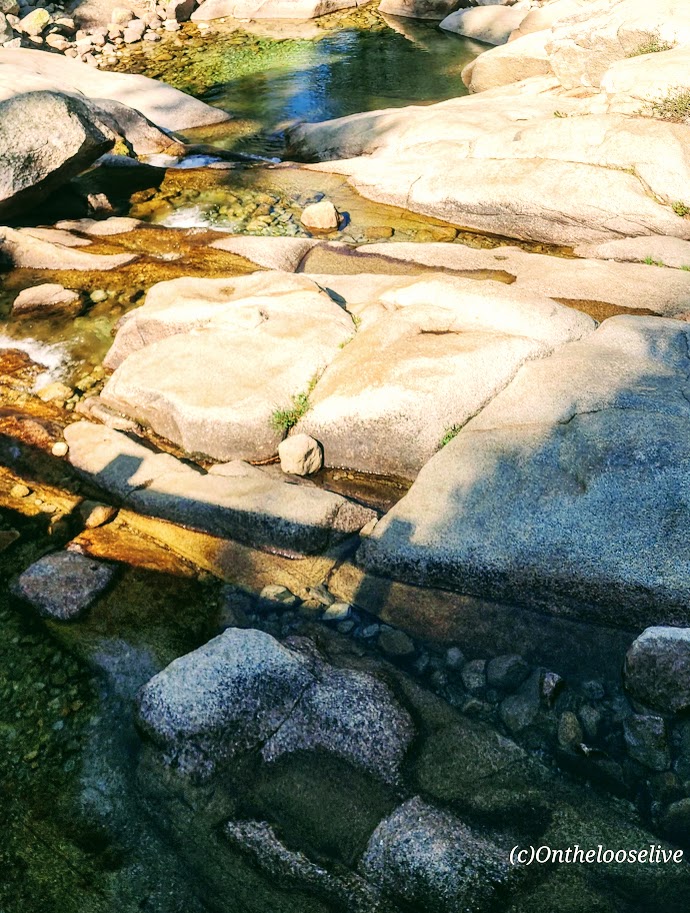
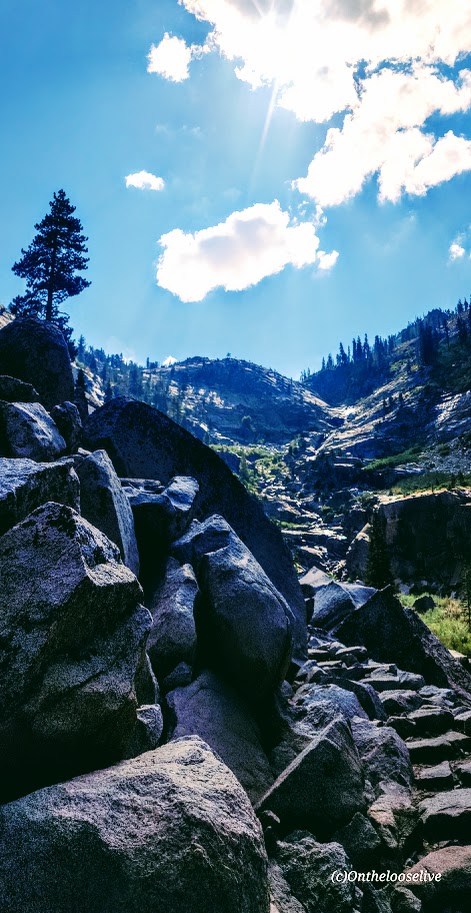
If you know me by now, you know I like a big hike and chasing waterfalls. Topokah Falls, in this case, offered neither, but in my opinion, it was still 100% worth it. Perhaps the pictures below will convince you why.

Even when the 1,200-foot falls were but a trickle, as is often the case in late summer, this is still a delightful little hike on a well-groomed, easy trail alongside a stream, glades of wildflowers, and gradually up to some impressive granite slopes. As you near the falls, you’ll encounter short sections of rocky footing.

This area has a wonderful “back-country” Eastern Sierra vibe; it reminded me a bit of Yosemite.

(Given its easy accessibility, you may be sharing it with a Boy Scout troop or other large groups.) Go early and have it all to yourself.

From the Lodgepole Campground, there are other trails to add on if you have the time and inclination, including Cahoon Meadow (2.6 miles) and Twin Lakes (6.5 miles). If there’s a next time for me, I’d probably take the Twin Lakes Trail. If you’ve done these hikes, let me know how they were.

Happy Trails! Leave No Trace! Tread Lightly! (Note, I’m not tromping on the wildflowers; there’s a path going through them that’s obscured in this photo, but perhaps it’s a good time for a PSA: As pretty as wildflowers are, please don’t pick them. They are essential for the ecosystem, including the pollinators, birds, and wildlife. Also, it’s illegal in most areas, including National Parks, though you’ll often see people doing it.)
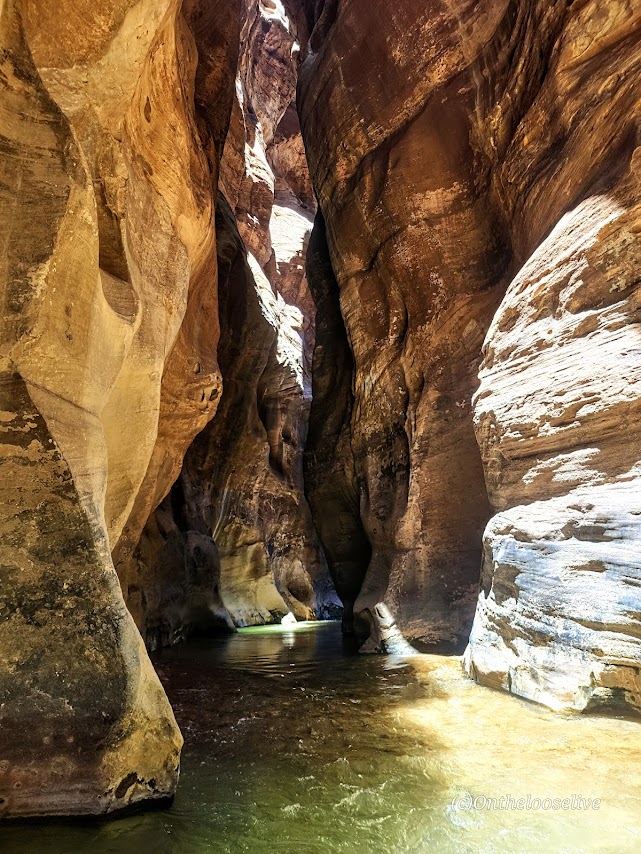
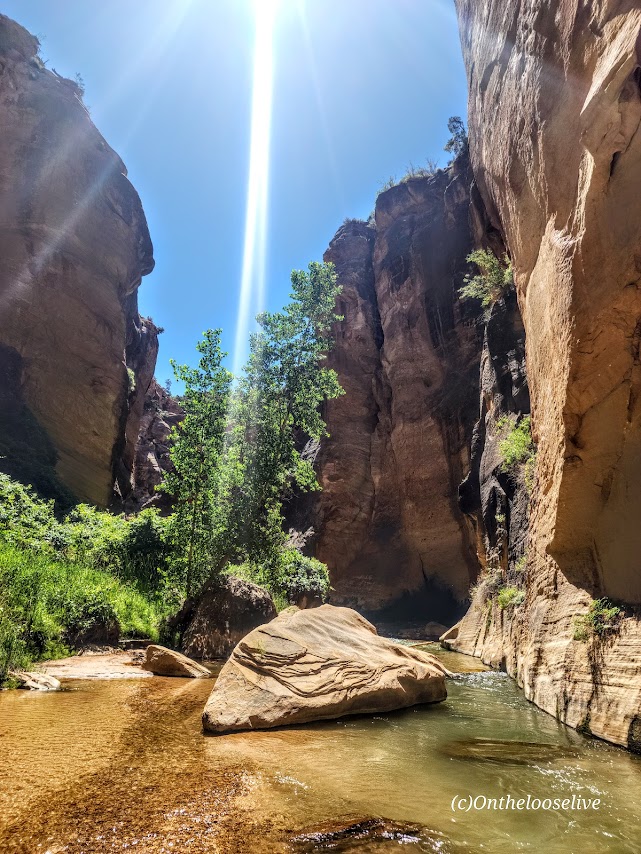
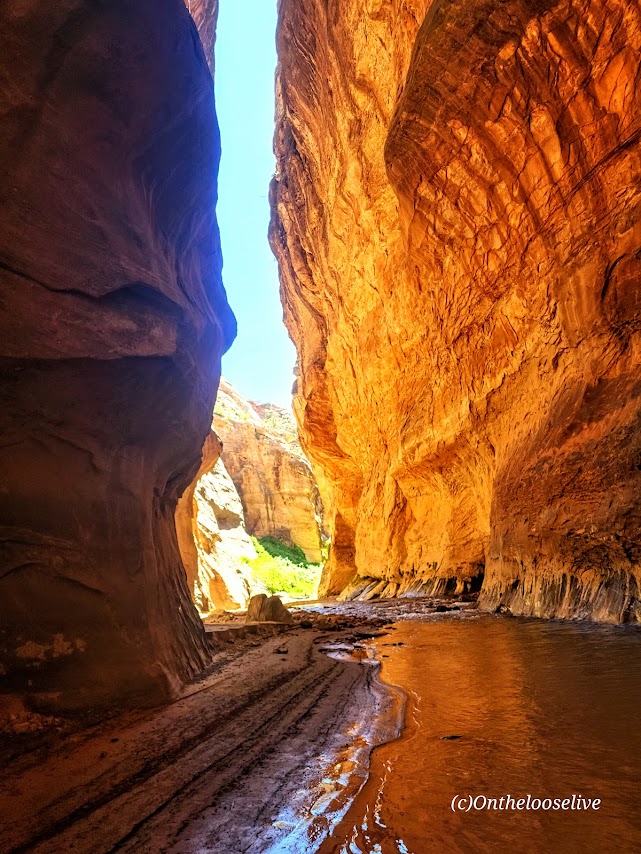
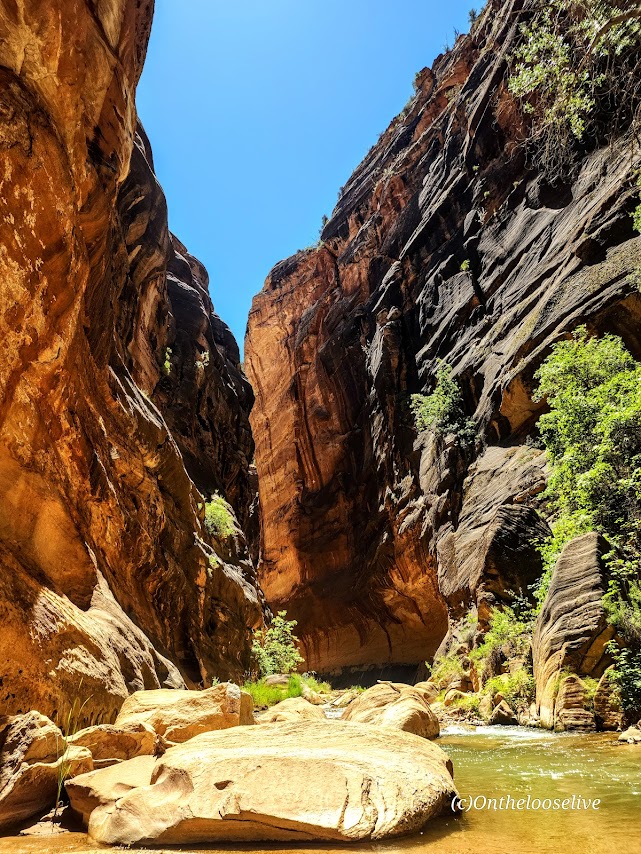
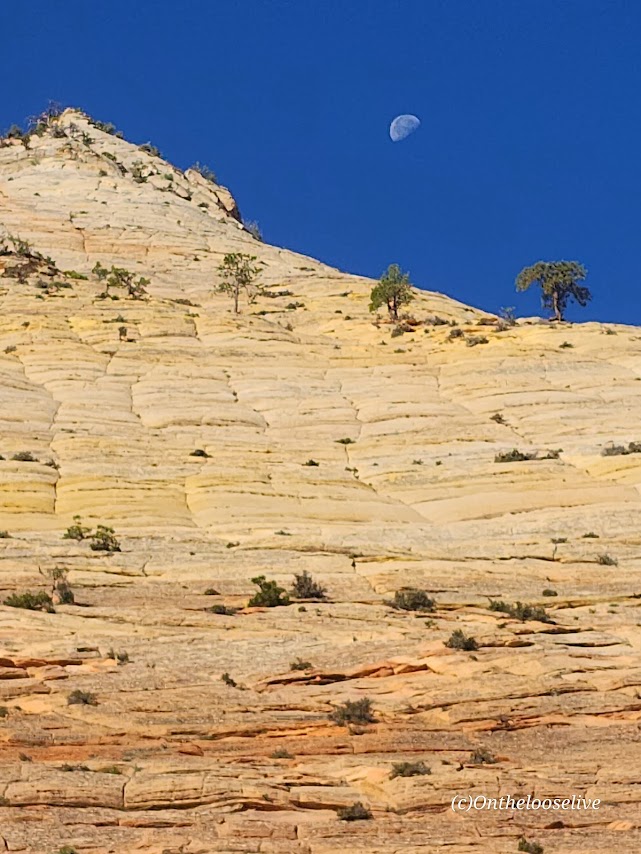
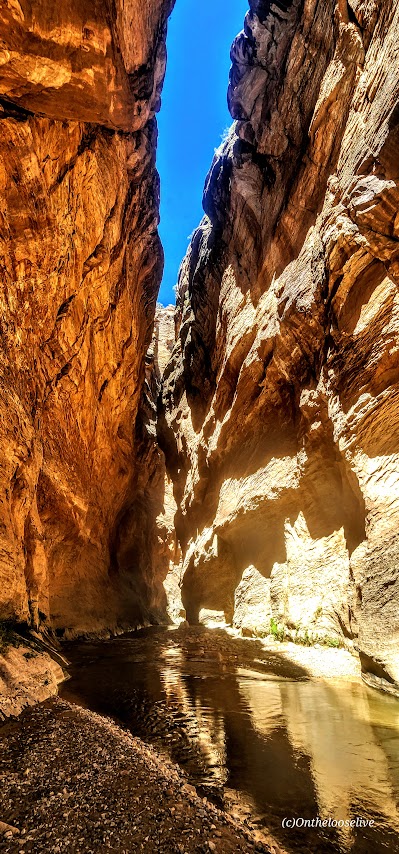
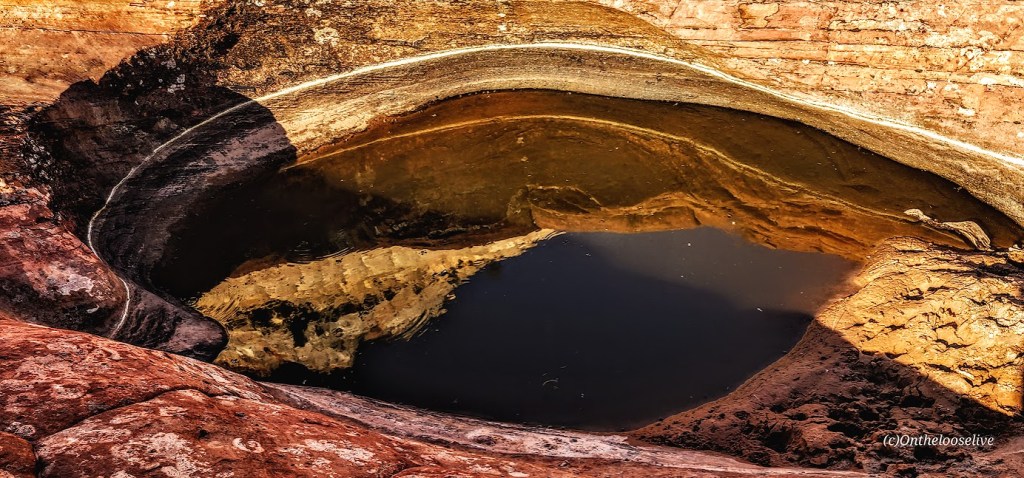
Backcountry Zion—Magnificent. Magical. Mesmerizing.

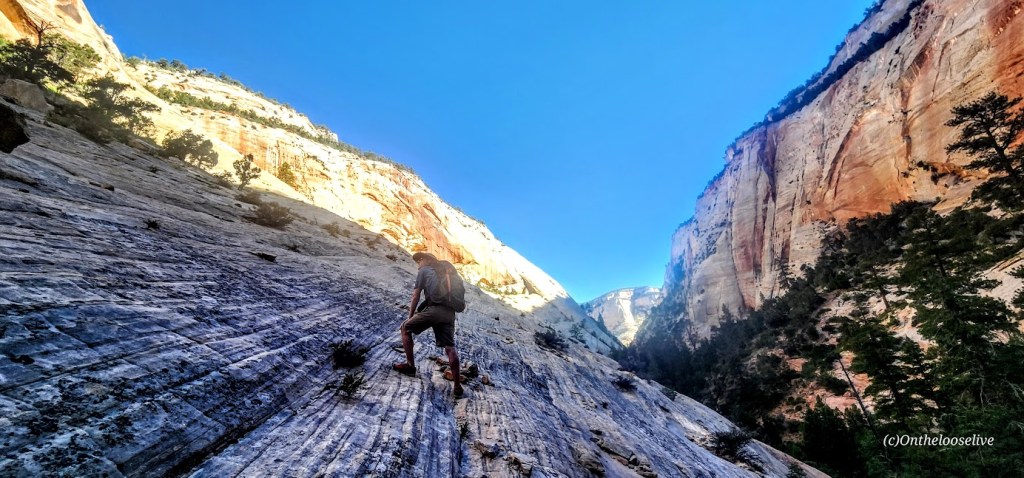
Challenging and strenuous ~16 Miles RT, including some sketchy scrambles, several slick rock traverses, and multiple MILES of exposed DEEP SAND SLOGGING. (Explains why no other humans are present.)

The scariest part was getting my phone wet despite it being in a dry bag and it blacking out. I feared the worst. Not really caring about the phone itself, but the prospect of losing all these hard-earned photos and videos!

My bliss—splendid solitude and immersion in the sublime natural beauty!

Excellent navigation skills, a GPS, First Aid kit, water, and a water purifier are essential for backcountry adventures.

Lucky for me, one of my best hiking buddies is an experienced backcountry guide who is always prepared for every eventually, including me forgetting my water back at home in the fridge.

He always points me in the right direction.

Happy Trails!

PSA: It’s the season for heat exhaustion and heat stroke. Play it safe— avoid hiking in the heat of the day on exposed trails. Wear sun protection—sunblock, hats, and light clothes with SPF and bring plenty of water and a water filter!

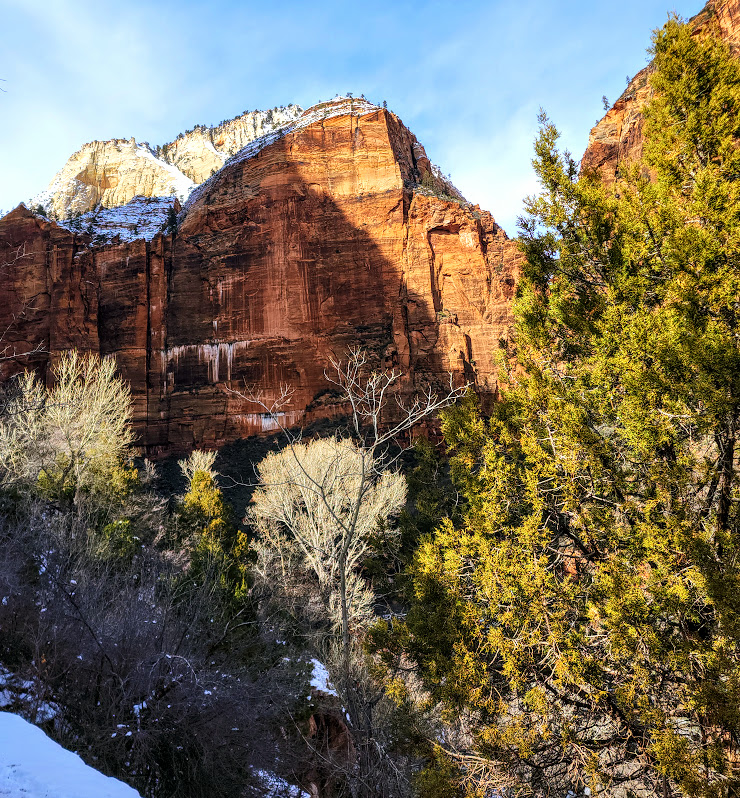
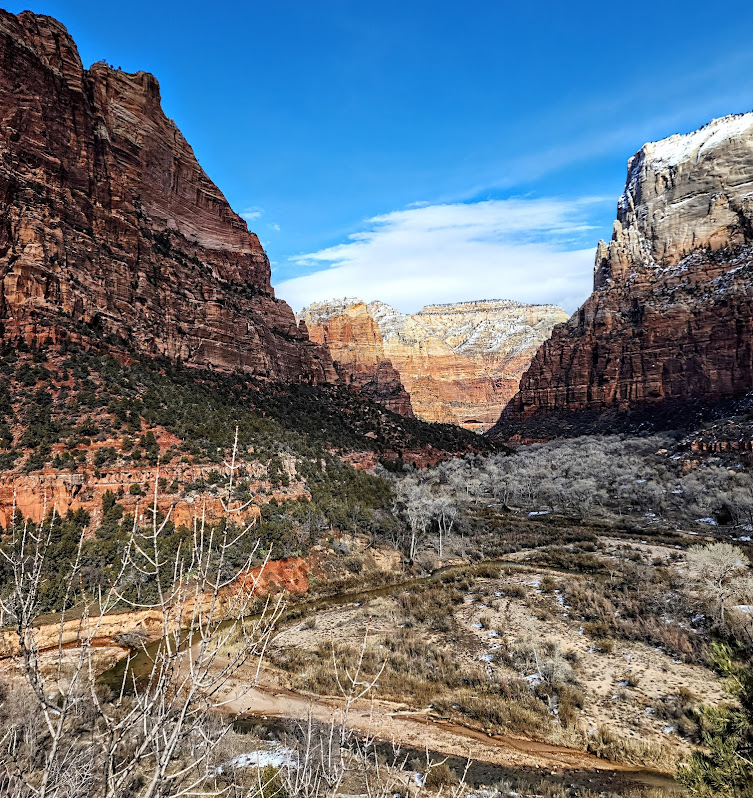
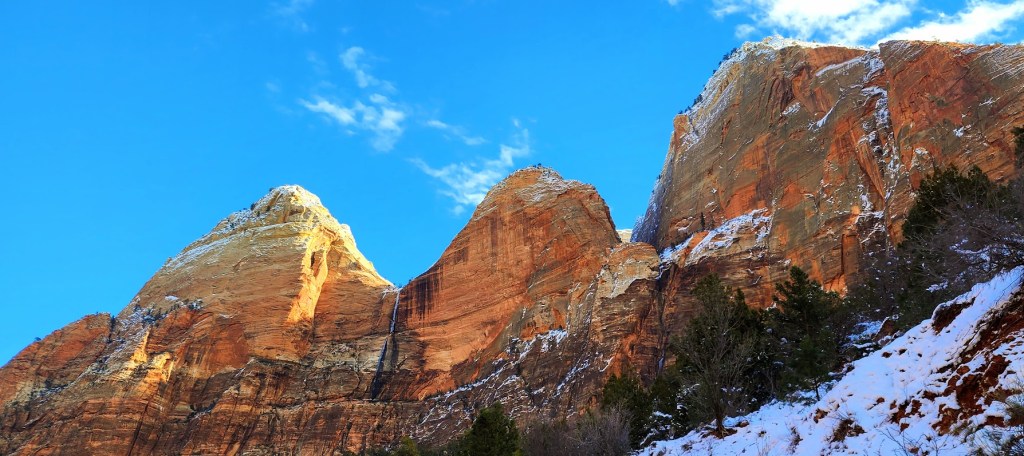
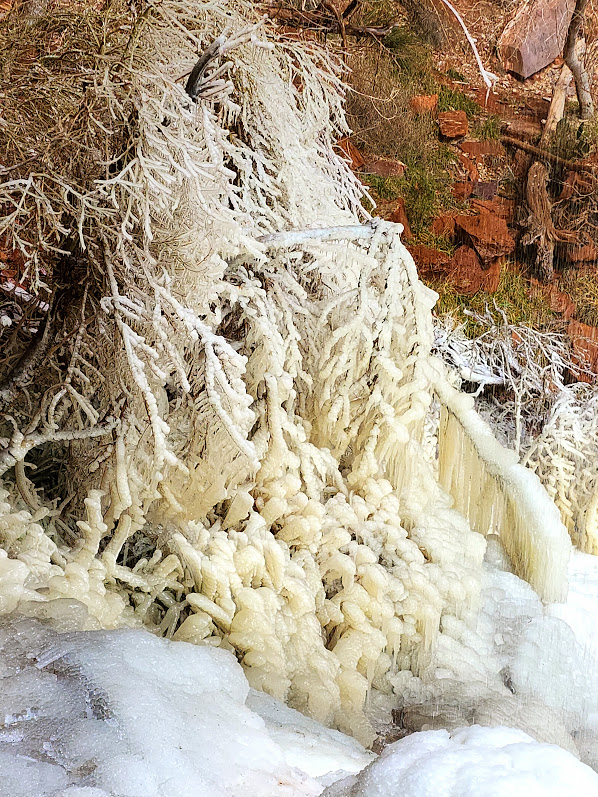
Zion on Ice, That’s Nice (and Freezing Cold!)

Turned into a human popsicle to get you this glimpse of Zion’s winter wonderland.

If you do venture out in the winter, be sure to over prepare. There have been many rescues and unfortunately too many deaths in Zion – mostly from hypothermia and exposure (even in the warmer months). The elements are no joke out here. Crampons are a must in icy conditions. Adequate layers, gloves, hats, etc…Hydratation is just as critical though harder to swallow in the winter (I know).

Happy (and safe) trails to you in 2023!

Seems as if rescues like these happen weekly. Be smart. Don’t become a statistic! https://www.fox13now.com/news/local-news/watch-intense-rescue-of-hikers-stuck-for-over-24-hours-in-zion-national-park?fbclid=IwAR1xGiB7Mai42xjwRNGCItYWpVKNmOBr4D4OSYmWEh2M53CLsyYyg3aZIuw