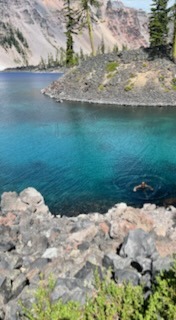
Wizard Island, named for its resemblance to a wizard’s hat, is a striking volcanic cinder cone rising from the western side of Crater Lake in Oregon’s Crater Lake National Park. It was formed over 7,700 years ago during the cataclysmic eruption of Mount Mazama.
Exploring Wizard Island is one of the most unforgettable ways to experience Crater Lake up close — from its pristine shoreline to the sweeping panoramic views from the rim. It’s easily one of the top highlights of the entire park. I’m so glad my friend insisted we make the boat trip out there!
Unfortunately, the Cleetwood Cove Trail — the only public access point to the water at Crater Lake — is now closed for the 2025 season and may remain closed for up to three years due to a major rehabilitation project. As a result, boat tours to Wizard Island are suspended until the trail reopens.
I was lucky enough to visit Crater National Park this past August, just before the closure. The excursion to Wizard Island was, without a doubt, the highlight of my trip there. While I enjoyed a few beautiful hikes in the Park (posts coming soon), it was on Wizard Island that I truly felt the spellbinding magic of Crater Lake. The colors are spectacular—the many blues of the water and the neon green of the moss and trees are surreal.
What truly made the visit unforgettable was standing on Wizard Island, surrounded by mesmerizing views of Crater Lake, and then immersing myself in the deepest, bluest, purest lake in the country (in the refreshing summer temps of ~57 F)—priceless.
Cleetwood Cove Trail
Distance: 2.2 miles RT
Elevation Gain: ~700 ft on the return (comparable to 65 flights of stairs)
Difficulty: NPS lists this hike as “steep and strenuous”, AllTrails lists it as “moderate” – it depends on your fitness level and altitude sensitivity. (It’s easy footing, and runnable though the pumice surface can be slippery.) I’d rate it easy++.
To the Top of the Wizard’s “Hat” (Cindercone Rim) & Lower Cove area, Wizard Island
Distance: 3.6 miles
Elevation Gain: 798 ft
Is Crater Lake National Park Worth Visiting If You Can’t Get To Wizard Island?
Knowing what I know now, would I visit Crater Lake if I couldn’t get to Wizard Island? Probably not. While the hike samplers I took in the park (posts to come) were wonderful, I don’t find them compelling enough to warrant a special trip here. Disclaimer: I would never discourage a visit to a national park if you’re in the area, but if you need help deciding when and where to go, and what to prioritize, this might be helpful. Also, if you feel Crater Lake is absolutely worth it, even if you can’t get to Wizard Island, comment below to let people know.
Notes: Boat reservations to Wizard Island must be made in advance. Since it’s likely the park will have a new system in place when the trail and boat excursions reopen, here’s a direct link to CLNP.
Swimming is only allowed within 100 yards of Cleetwood Cove and within 100 yards of Wizard Island. To keep the water pristine, the following items are not allowed: scuba and snorkeling gear, wet suits, masks, goggles, fins, inner tubes, kayaks, canoes, inflatable rafts, SUPs, flotation devices, personal life jackets or vests, waders, and personal boats.
Pro tip (wink): Apparently, it’s a “thing” to wear a Wizard’s hat to Wizard Island. There’s plenty of time for you to find one before it reopens if you’re so inclined. (No, I didn’t wear one.)
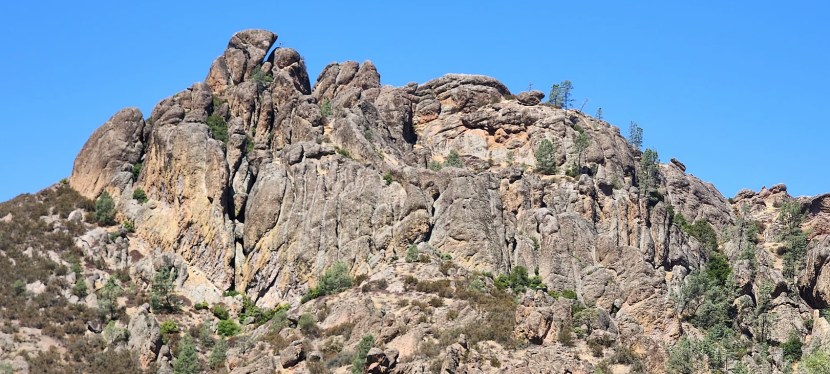
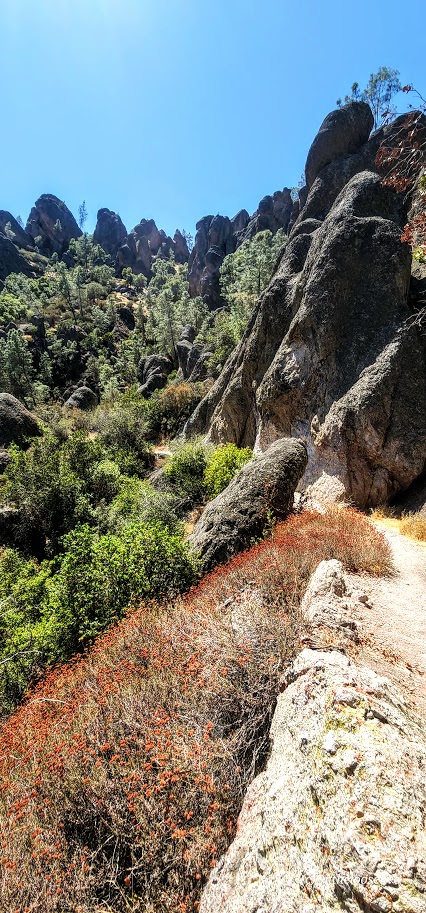
I wouldn’t rank Pinnacles near the top of my National Park experiences. To be fair, I’ve been lucky enough to hike in some of the most stunning areas across the U.S. and around the world—so I’ll admit it, I’m a bit of a hiking snob. That said, Pinnacles didn’t quite feel like it earned its National Park status. Honestly, it felt more like a solid regional park—State Park caliber at best.
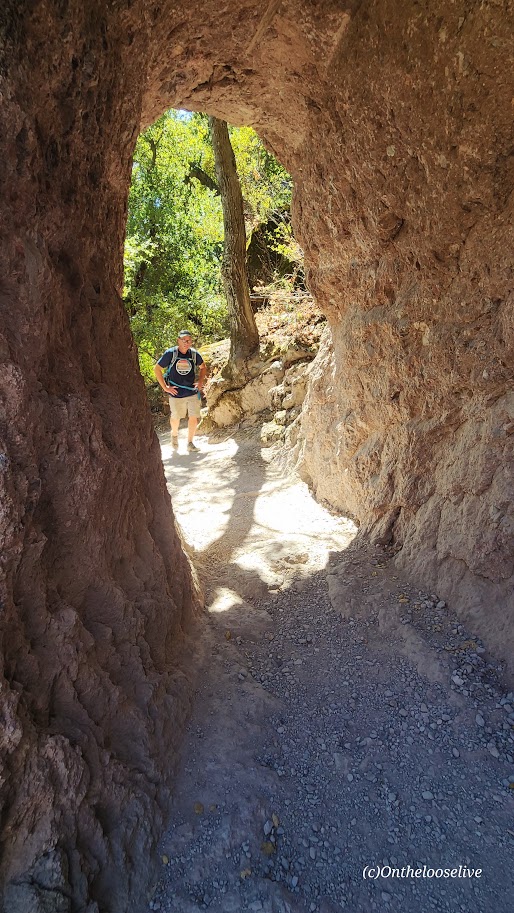
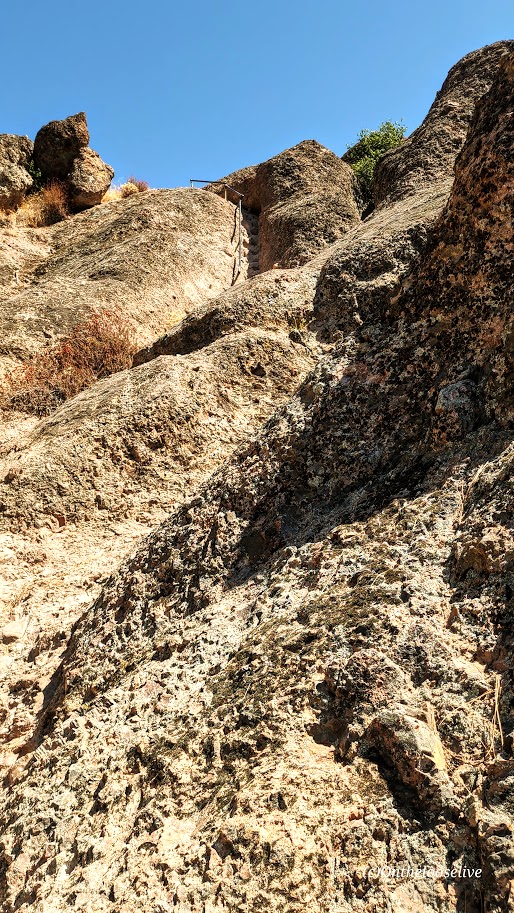
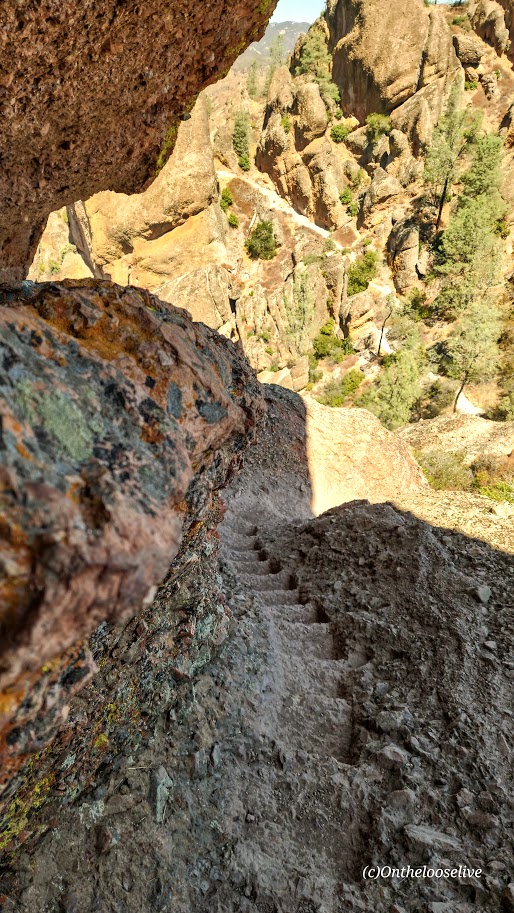
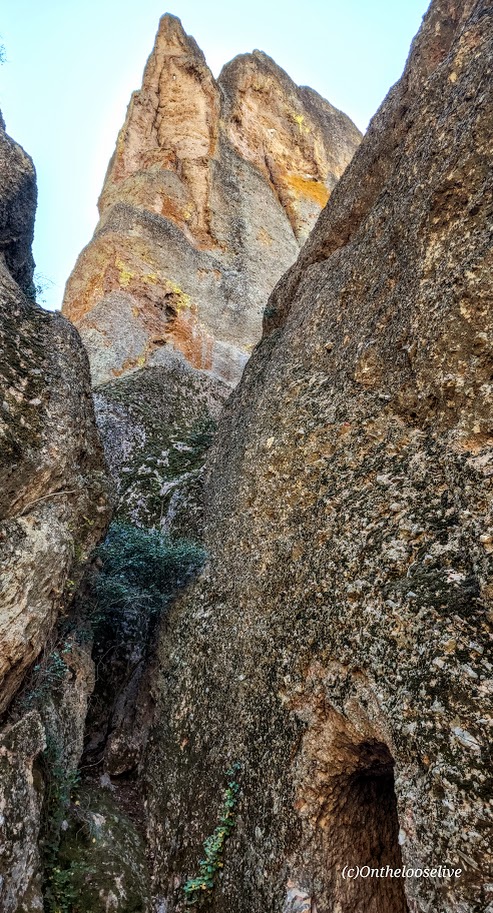
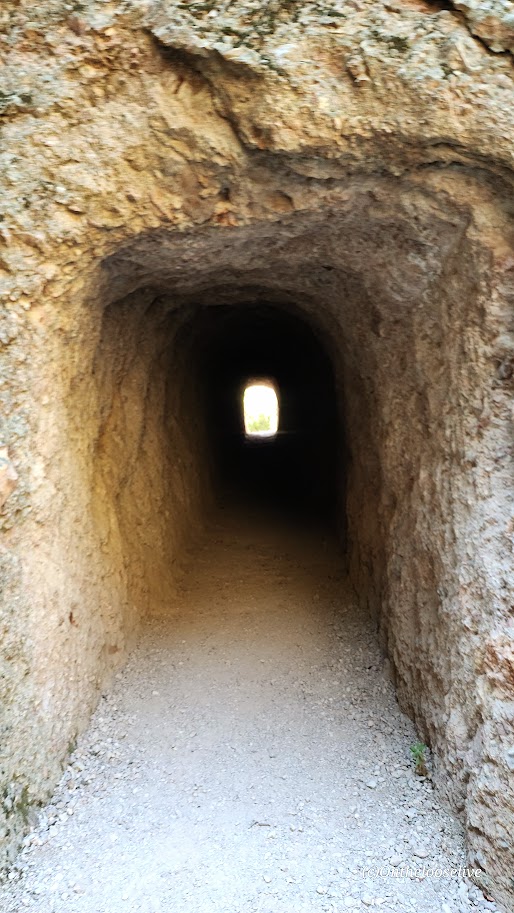
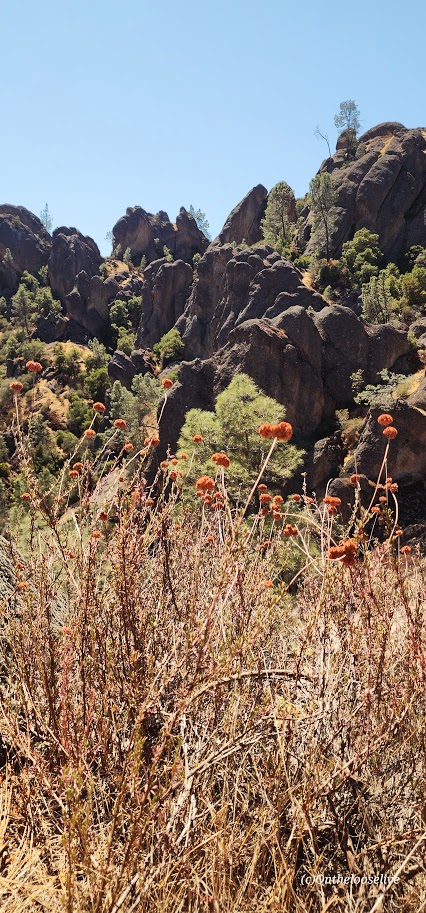
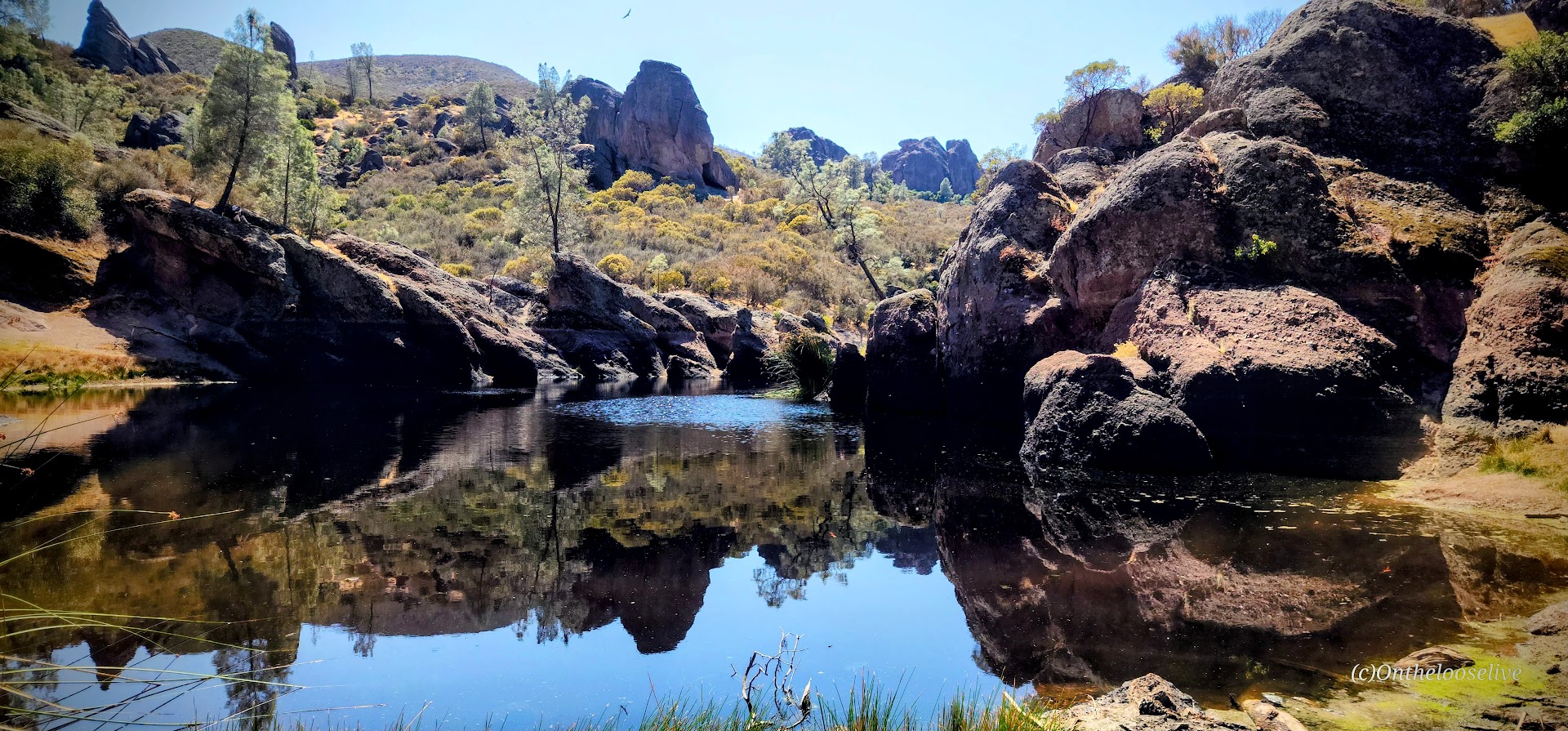
The landscape reminded me of the local parks I used to trail run back when I lived in California: pleasant, but not particularly awe-inspiring. The park offers about 30 miles of runnable trails. Yes, there are some unique features, like interesting rock formations (which is where the name ‘Pinnacles’ comes from—but since I live in southwest Utah, that’s something I see daily), the cool, dark caves—Balconies and Bear Gulch (bring a flashlight, headlamp, or a charged phone), a short tunnel on the trail, and a “steep and narrow” section on the High Peaks trail that might feel adventurous to hiking novices. But for anyone who’s tackled something like Angel’s Landing, it’s pretty tame, and some might say lame. There’s also Bear Gulch reservoir, which is mildly scenic, but small and stagnant (NOT a spot for immersion). These trails (except for the caves and the tunnels) are completely exposed—hot in the summer, so go early or late in the day to avoid the heat.)
I covered the main highlights of the Park with a 7.5 mile loop that included the High Peaks Trail, Tunnel Trail, and both cave areas. The elevation gain was nearly 2k ft, but the climb was gradual and spread out, so I would rate it as easy effort and terrain, but of course, it varies depending on your fitness level. I kept myself engaged by playing photographer.
Most of the rocks in the High Peaks area are rhyolite breccia. These angular fragments were ejected by volcanoes and cemented together by ash and mud, giving them a slightly golden hue. (They are rare in the volcanic areas of Utah and Hawaii. In Hawaii, the volcanoes primarily erupt low-silica, low-viscosity basalt, which flows easily rather than fragmenting. And while rhyolite eruptions do occur in Utah, the conditions needed to form substantial rhyolite breccia are less common than other volcanic processes.)
Inside the Caves
Dark Skies, Rock Climbing, Birds, Bats, Bees, and a Small Pool at the Campground
While not designated as an official dark sky site (they should apply for it), the remote Park is committed to dark sky preservation and boasts about its night sky in its pamphlet. (I left before sunset, so I can’t speak to that.) I do know that the Park is out in the middle of nowhere, so it’s certainly free of light pollution. Apparently, there are hundreds of rock climbing routes here. And if you’re a birder, there are over 180 species here, including the endangered California condors, peregrine, and prairie falcons. (I did see a couple of wide-winged condors gliding high above the trail.) If you’re batty(?), the talus caves are home to Townsend’s big-eared bats, and 13 other bat species live in the park and roost in rock crevices and trees. Notably, the park has over 500 bee species, the highest diversity on earth!
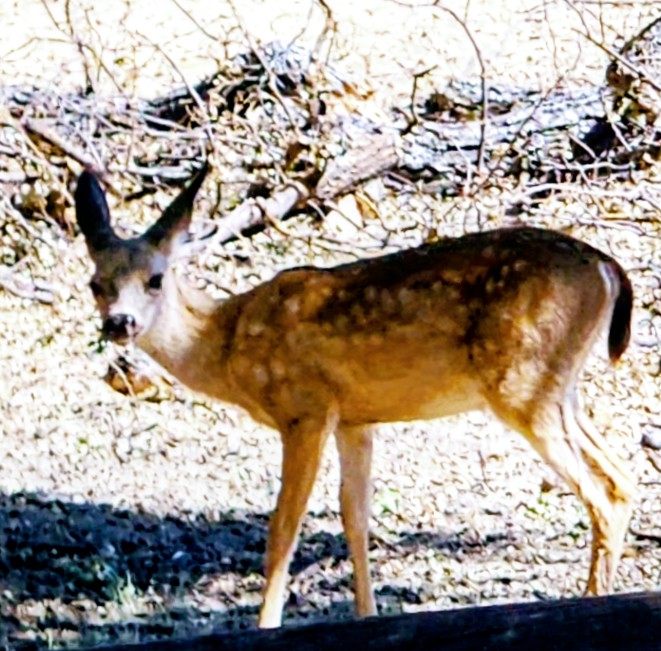
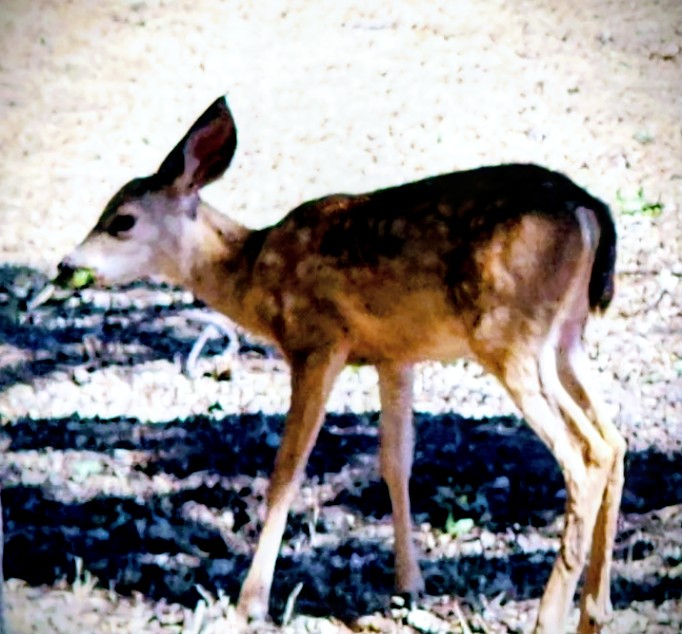
The Locals
Any time spent being active in nature is worthwhile. Still, while pleasant enough, perhaps Pinnacles is best suited for families with kiddos who would enjoy exploring the caves, climbing on the rocks, and cooling off at the small campground pool. It’s a one-and-done for me.
Have you been to Pinnacles? What did you think?Take it or leave it?
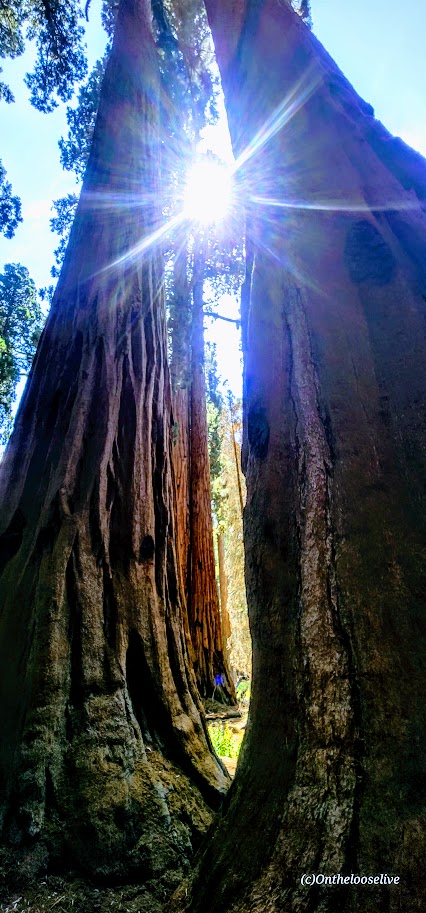
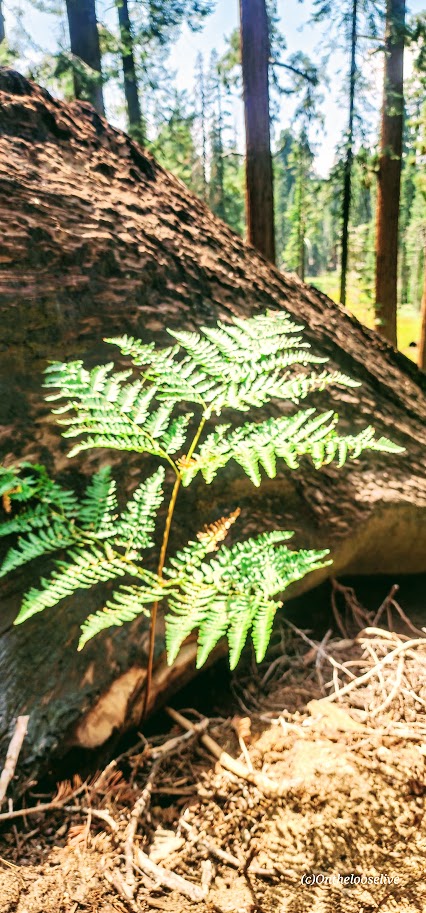
Visiting the Forest of the Giants is an awe-inspiring experience. It has to be the ultimate forest bathing destination on the planet. The ancient, colossal, towering Sequoias will fill you with a sense of wonder and quiet reverence. Since it’s a National Park, you can expect to share the experience with many others. But don’t let that deter you—a network of enchanting, less-traveled trails extends beyond the main viewing areas. Once you wander past the beaten (paved) path, you’ll leave the crowds behind and discover soft, winding trails that weave through fern-laced glades and alongside serene meadows, with each step taking you deeper into the heart of this magnificent forest.
If I ever return, I’ll aim for a sunrise visit or perhaps a backpacking trip. I imagine that those moments in the early light, when the forest is just beginning to stir, would be the best way to connect with this sacred place.
Sequoia facts:
Only grow on the western slopes of the California Sierra Nevada Mountain range, as they require a specific climate: moderate winters, minimal rain, moist-well-drained soil, and moderate temperatures overall. (Attempts to grow them elsewhere have failed.)
Rely on natural cycles of fire to open cones and prepare the soil for seedlings.
Have exceptionally thick (up to 3 ft thick), spongy, fire-resistant bark that’s rich in tannins, providing a natural shield against wildfires and insect infestations. Their high branches (up to 8 ft wide) stay out of reach of most fires. (We saw many trees with fire/lightning damage that were still living.)
Require water from snow melt, which they absorb through their shallow, wide root systems that are only ~5 ft below the surface.
Grow up to 300 ft high and live for 3,000 years!
Are an endangered species due to the threat of droughts and more intense wildfires.
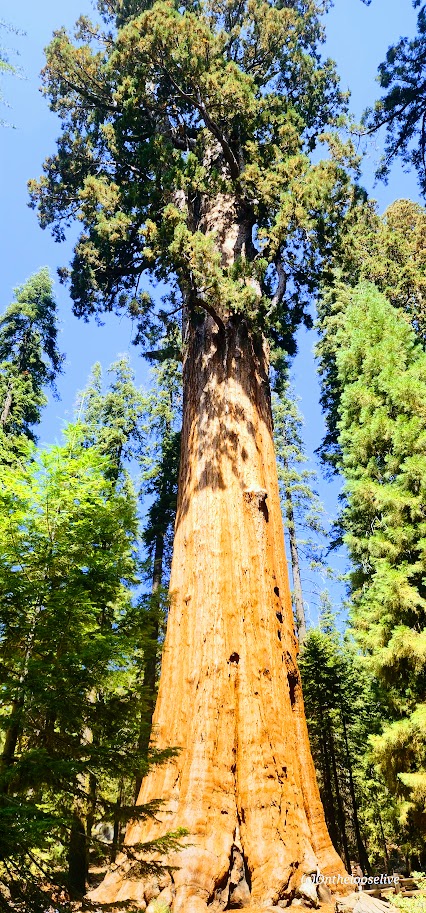
General Sherman Tree – The largest living single-stem tree on Earth! (Can’t capture the scale with a picture.)
Height: 275 ft Weight: 4.1 million lbs Circumference: 101+ ft Age: ~2,700 years old
Difficulty: Easy to moderate, mild scrambling and slick rock traverses, requires some route finding, download a map
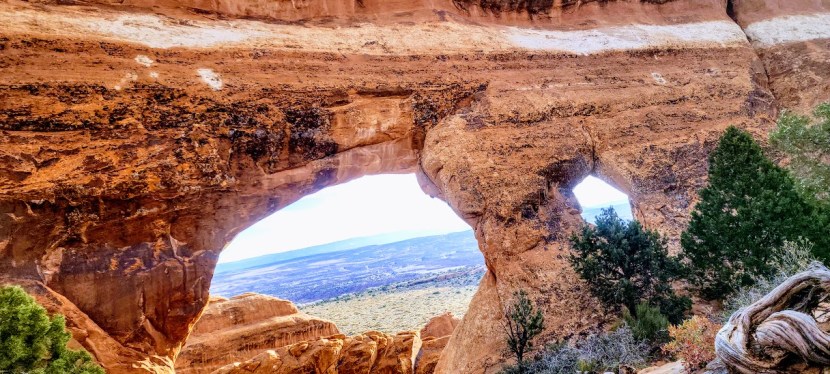
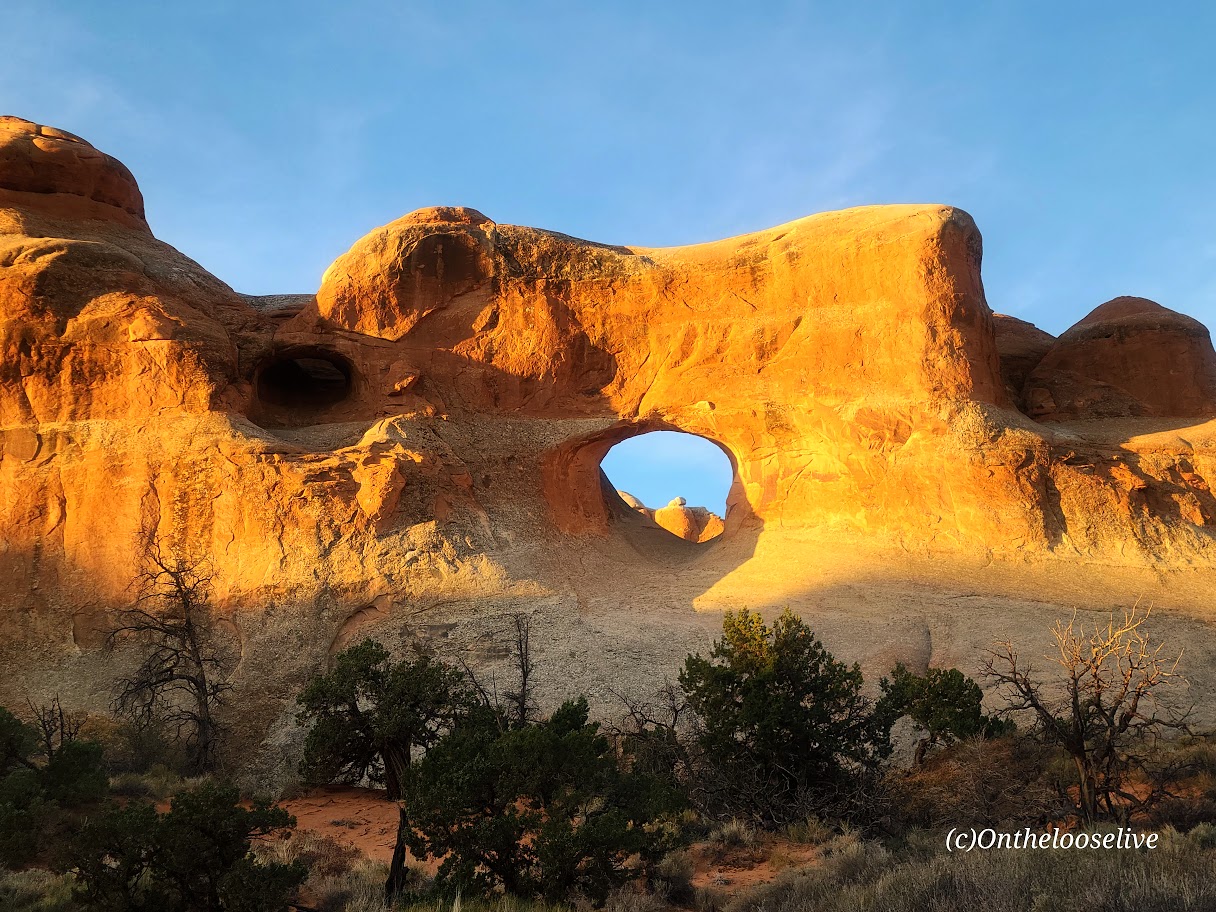
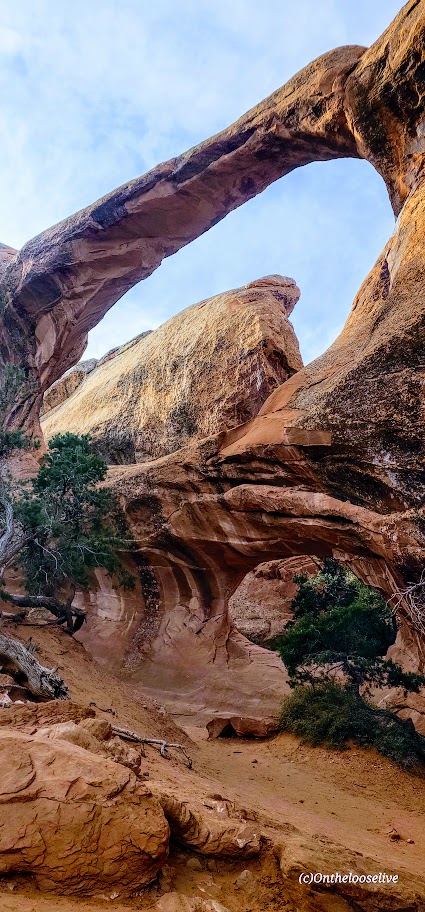
This hike will take you on a fun tour of 9 of the 2,000 arches in Arches National Park, including Landscape Arch, which is the longest arch in the world. So many arches so little time! The good news is in this park, no matter how short on time or energy you may be, there’s always an arch to see from the road or just a few steps away.
The first 2-miles of the Devil’s Garden Loop or so is on an easy wide gravel trail. (There are 3 arches in the first couple of miles, Tunnel Arch, Pine Tree Arch, and Landscape Arch. Beyond that the trail gets more interesting as it branches into a loop and takes you up a mild scramble to a slick rock traverse. While the trail is relatively well marked by cairns, there are a few tricky spots along the slick rock traverses. If you’re used to hiking across our rugged Utah topography, you won’t blink. If you take the loop counter clockwise, you’ll see all the arches at the beginning and middle of the hike. Word to the wise, we ran into a couple of people who were lost even though they were following their downloaded AllTrails map.
If you’re short on time or energy, the imposing Dark Angel rock formation can be seen and photographed best (IMO) from the distance from Double-O Arch area so you can skip the offshoot trail to it and shave about a mile off the hike’s total distance. (I took a picture up close that didn’t even make my final cut. )
On the other hand, if you have extra time and energy, you can drive down the road and add on a 3-mile loop hike to Sand Dune Arch, Broken Arch, and Tapestry Arch. (Sand Dune Arch is only a half mile total distance, add Broken Arch for 1.5 miles, and Tapestry Arch for ~3 miles.)
If you go, let me know which arches were your favorites!
Rim2Rim Grand Canyon: North Kaibab, North Rim to Bright Angel, South Rim
Distance: ~25 Miles [I added on a little side-trip.]
Elevation Gain: 4,534 Feet (Elevation loss 5, 850)
Difficulty: Hard, Strenuous
My Stats
Moving time: 7 hours, 57 minutes (Yay, barely sub 8 hours, but I’ll take it at nearly 60 years old for my first R2R.) I don’t think I could have had a better hike.
Start Time: 5:42 AM
Finish Time: 2:53 PM (including 2 stops)
Break Time: 3:04 PM After waiting (impatiently) for a seat on the bench at the Terrace overlook, I took my first real rest stop to soak in the views and put my legs up! Wish they served cocktails here!
I did the thing
So I did the thing, even though I’m not into doing things that are mainstream “things,” and even though last month’s South Kaibab Phantom Ranch hike experience was suboptimal due to crowds and the heat.
Why? Because it’s there and friends were into doing the thing. So, as typical of me, I did the last-minute Lydia thing. Sure, I booked the Jacob Lodge in January when everyone was hyped up, but that was the extent of my commitment. And I joined in on the training/scouting hikes from North Kaibab to Manzanita last October and South Kaibab to Phantom Ranch and up Bright Angel. Naturally, I kept up my vigorous, ongoing backcountry hiking adventures.
It turns out rugged, extended off-trail slick rock explorations and thick sand slog traverses are just the thing to make R2R seem like a walk in the park (The North Kaibab, while rocky and sand-slippery, turns into an easy, smooth trail from Manzanita through Phantom Ranch, and the trail up Bright Angel is also easy footing the entire way—no obstacles, no scrambling.
Of course, it’s not a “walk in the park.” It’s a hike to be taken very seriously.
Less than 1% of the 6 million annual Grand Canyon visitors do Rim 2 Rim, and many prepare for months, some even years.
In fact, R2R is considered one of the most dangerous hikes in the US for many reasons:
Exertion hazards
Cardiac arrest
Dehydration and its opposite, hyponatremia
Risk of rhabdomyolysis: Accumulated muscle trauma causes the break down of myoglobin, a protein that can damage kidneys
Environmental hazards
Heat Stroke
Heat Exhaustion
Hypothermia when temperatures dip at night
Rattlesnakes (The only pink rattlesnake (C. oreganus abyssus) in the world lives in the GC, AZ & UT.)
Hike your own hike
While not recommended, I hiked “the thing”solo. Why? Because I need to hike at a pace that feels right to me. I feel strongly that you can compromise your safety (and enjoyment) if you slow your pace for others. It’s hard to find compatible hikers. My rationale—given that it’s a mainstream trail, there are plenty of hikers and rangers around should an emergency arise. (An instance of “Do as I say, not as I do.”)
On the morning of, I figured I had options—hike out and back or do “the thing.”
The goal was to be at the trailhead at o’dark thirty (4:30 AM ish) to beat the heat. To outpace the heat was critical for me as I found Devil’s Corkscrew unpleasant in the heat of the day and wanted to avoid it. I heard that the “dreaded box canyon” section can be brutally hot, too. I wanted to limit my time in the dark because I have terrible vision and didn’t want to sabotage my hiking prospects with a fall/injury. As it happened, I arrived at first light. While I wasn’t hungry and rarely eat in the morning, I forced myself to chow down half of my turkey sub before hitting the trail. (I do better on long hikes when I have “real”/solid food—usually at the halfway point of a long hike, but I suspected I wouldn’t want anything solid/heavy on this hike’s halfway point.)
I felt strong and made great time down to the bottom of the canyon. Since I’ve done this portion of the trail before, I only took a couple of pictures on the way down when the light caught my eye.
I thoroughly enjoyed the section between Manzanita and Phantom Ranch, which was entirely “new to me.” It was so refreshing and exhilarating, with the stream rushing along the trail and having it all virtually to myself. I stopped to take the most pictures along here. At one point, I looked at my watch and was shocked to see I was doing a 10-minute mile. I didn’t feel like I was running, but I did feel exuberant and euphoric. I was beyond the halfway point and feeling optimistic about doing this “thing!”
I took a slight detour down the Ribbon Falls trail. The bridge was out, which made my decision to pass on this side addition much easier. I didn’t want to add 2 miles roundtrip to my R2R or lose the momentum of my hike.
The only injury I sustained was cactus needles in the back of the forearm when I crouched too low to take a picture.
I was a little obsessed with the miles and my pace, taking pictures of my watch all along the way to track my progress because my watch battery had run out on my last big hike. And if it’s not documented, it didn’t happen, right?
I reached Phantom Ranch (14.29 miles) in 4 hours and 16 minutes with no breaks.
While there were far fewer people there than in April, there was still a line at the canteen for lemonade and food. In retrospect, I might have skipped this, but I didn’t think the handful of people in front of me would take 25 minutes, and the lemonade was a major highlight and perhaps a lifesaver when I hiked down in April. I committed to standing in line, which was building behind me, so it seemed silly to give up my place when it would be “any minute now”…Sigh. Finally, I downed my lemonade and refill, topped off my water, and got back on the trail.
I didn’t feel like taking a break or eating anything, but I forced myself to have a caffeinated cola gu and took out some electrolyte-infused gel blocks to have in my hand. From this point on, after each mile, I would eat a block to celebrate and electrolyte balance.) Back in the day, when I used to run marathons, I’d have a mint to commemorate additional miles after the halfway point.
By the 5-hour mark, I had covered 17 miles.
I arrived at Havasupai Gardens, Mile 20- (4.5+ miles from the top) at a little over the 6-hour mark.
I topped off my water, took a few bites of a Slim Jim, and drank my Gatorade on the way up. It occurred to me that it might be possible to do this “thing” in 8 hours or less. (The average total time, including breaks, is 12-15 hours.) I was pumped and channeling my old triathlete/trail running self.) There was a slight breeze, so the hot spots were blissfully not as hot as in April. I still felt good but the muscle fatigue was starting to build in my legs.
At 23 miles, I was over 7 hours, and for the first time, my pace per mile increased to well over 20 minutes. I was forced to consider the possibility that I wouldn’t make sub 8 hours. Laughing outloud to myself that if I didn’t make sub 8, I would have to do it it again so I better haul ass now! And phew—just barely!
My Inspiration
Did I really hike it solo? Not really; I had my Dad with me. He died years ago, but I carry him in my heart and wear the talisman of his old-fashioned skeleton house key on my necklace, so he comes with me on all my hikes. When I do challenging hikes or activities, I think of him and how his stroke left him paralyzed and confined to a wheelchair for the last decade of his life. I think about how difficult that was for him and it inspires me to stay strong and keep moving.
I also thought a lot about my beloved trail running days with my best trail running partner, Allison Robar. I repeated our mantra from our crazy trail runs , “Light and Easy.” So, both my Dad and Allison were on the trail with me in spirit.
And as mentioned, I felt so exhilirated hiking along the river, taking in the incredible beauty and enjoying my solo connection with nature. It was a transcendent/spiritual experience for me. I was one, vigorously with the Universe.
Of course, I met some cool people along the way too: trailrunners doing it for charity for the 5th year in a row, a buff backpacker named Billy taking on R2R2R. (I nicknamed him Billy Goat in my mind.) And there were others, including 2 “deer” Grand Canyon residents.
What worked for me
I chose light trail running shoes. I feel the terrain doesn’t call for hiking shoes per se. Sure, my feet were a bit battered and tender at the end of the day, but I feel quicker and lighter than I would have with hiking shoes. It’s a trade-off.
I wore knee braces on both knees from the start of the hike. (I have Grade 4 chondromalacia – bone on bone in both knees.)
I brought 1 pole and used it as needed (to help support my knees for large step-downs or step-ups). I like having my hand free, but I think having it helped, and was worth the tradeoff of carrying it.
I felt better after this hike than when I did the South Kaibab to Phantom and up Bright Angel loop. I attribute that to my prophylactic knee bracing, pole usage, and slightly cooler weather,
What I learned
Start at first light (or earlier)
Choose a day where temps at the bottom won’t exceed the low 90s.
Choose a weekday unless you like crowds
Select the North Kaibab to Bright Angel route
Soak your stuff (hat, scarf, shirt) and yourself every chance you get
Take pickle juice and electrolytes to prevent cramps.
Recommendations
Use your long training hikes to discover what’s best for you (nutrition, hydration, equipment, shoes, hiking partners, etc.) Cancel if temperatures are in the mid-90s to triple digits.
Equipment
Use a hydration bladder for hands-free drinking (Camelback or Osprey)
Take a pole or 2
Water filter (Sawyer SP129)
Electrolytes (I had electrolyte-enriched water, Gatorade, and gel blocks.)
Training
As part of your R2R training, if possible, I’d highly recommend doing the North Kaibab to Manzanita or Ribbon Falls hike and South Kaibab to Phantom Ranch and up Bright Angel hike, as well as a couple of hikes from the Grotto to the West Rim in Zion. Hiking those hikes in the GC, you’ll know exactly what you’re getting into and out of at the end of the day. It preps you both physically and psychologically.
Do hikes that simulate the elevation gain, distance, and desert heat factor
Do cross-training—bike, swim, etc. Do yoga & restorative stretching
Do strength training—squats, lunges, leg extensions & curls, calf raises, pushups, pullups, and core work. (Note: training with super heavy weights and low reps can increase muscle bulk, which can be counterproductive for endurance activities.There’s a fine line between gaining strength and lean body mass—more muscle mass requires more oxygen and is heavy—both of which can make climbing, especially at altitude, more difficult. It’s the difference between a bodybuilder and a triathlete. I’ve embodied both body types, and I can tell you from personal experience that lean muscle mass is the best for endurance activities.
Here’s a pic of me backpacking the Grand Canyon in my body building days circa 1998 and me the day after R2R.
Route
I’m aligned with the majority that North to Bright Angel is the way to go. (Unless you’re doing R2R2R, and in that case, you don’t need my advice.)
North Kaibab (Rugged/rocky,sandy and slippery ascent/descent) ~5,781 ft elevation gain
Bright Angel (smooth and scenic trail with some shade)~4,400 ft elevation gain
South Kaibab (exposed trail) ~4,800 ft elevation gain
Logistics: If you’re “only” doing R2R, you’ll need to find a way back to your car on whichever side you left it. Fortunately, there’s the Trans-Canyon Shuttle that runs twice a day ($120pp). Or maybe your fortunate like I was to a have a friend willing to do an out and back hike on N. Kaibab and drive 4 hours over to the South Rim to meet you. Might be better to have a nonhiking friend meet you on the other side or key swap with friends hiking in the opposite direction. I guess that’s motivation for R2R2R, no logistics issues-lol.
Pre-hike dinner was at Jacob Lodge with fellow R2R hikers. The homade blueberry pie and cookies are delicious! Post-hike celebration at the rimside Arizona Steakhouse was delicious with great service and food!