Adventures Near & Far, St. George Yoga & Hike Retreats, Popup Yoga, Local Guiding
Search Icon
Author: livevigorously
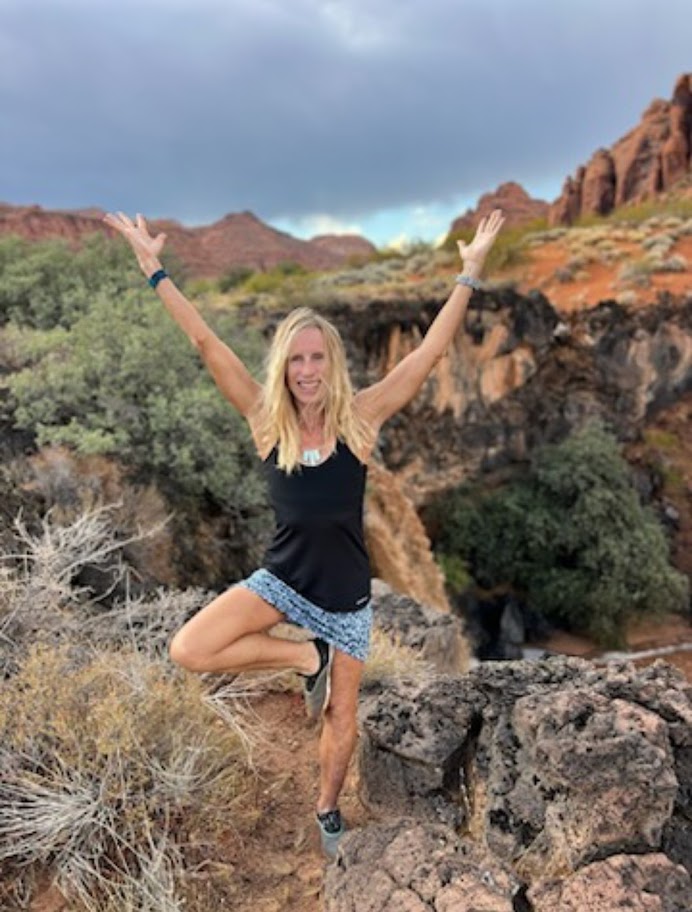
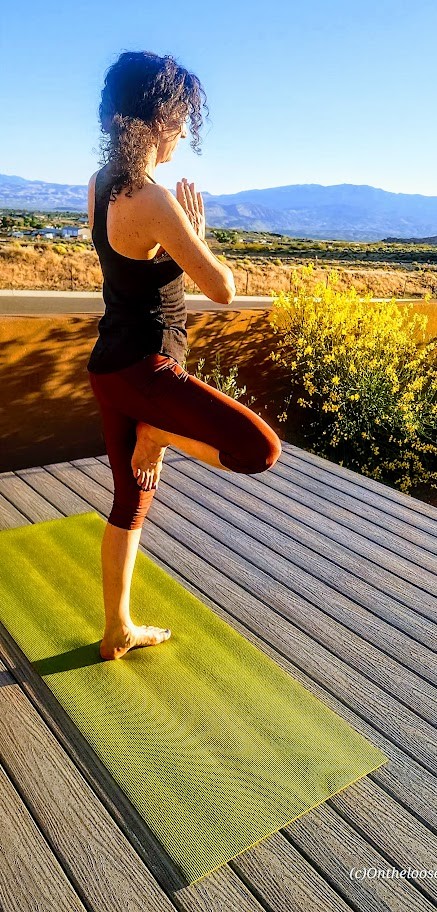
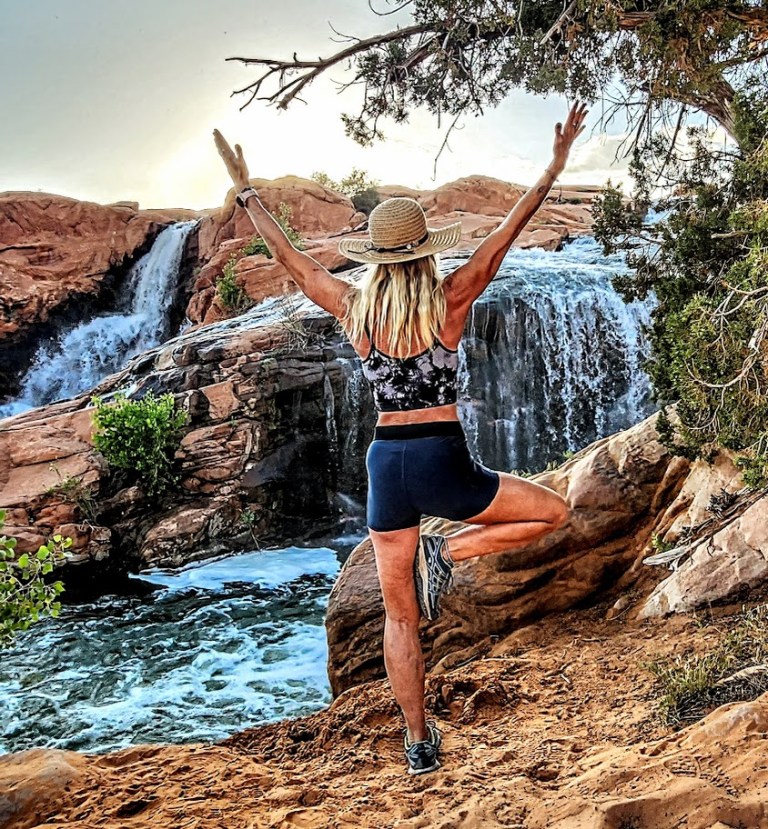
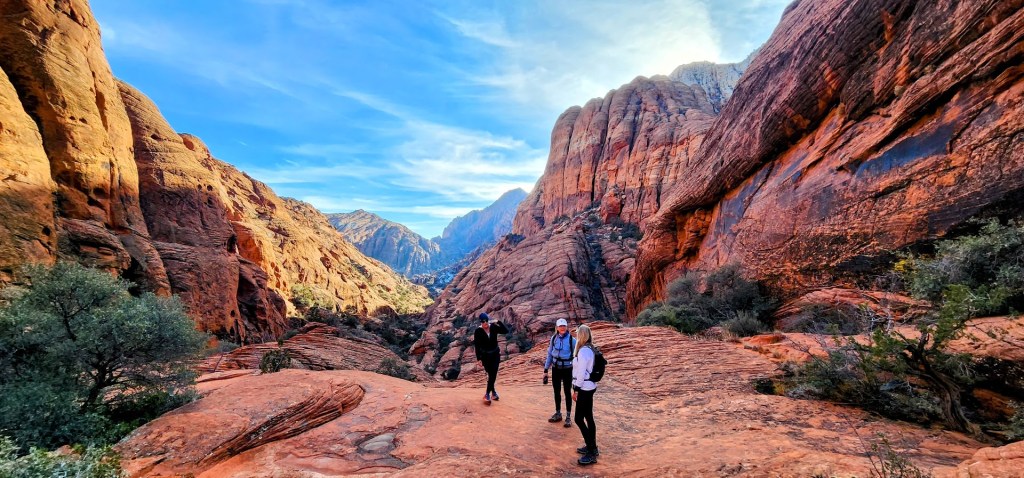
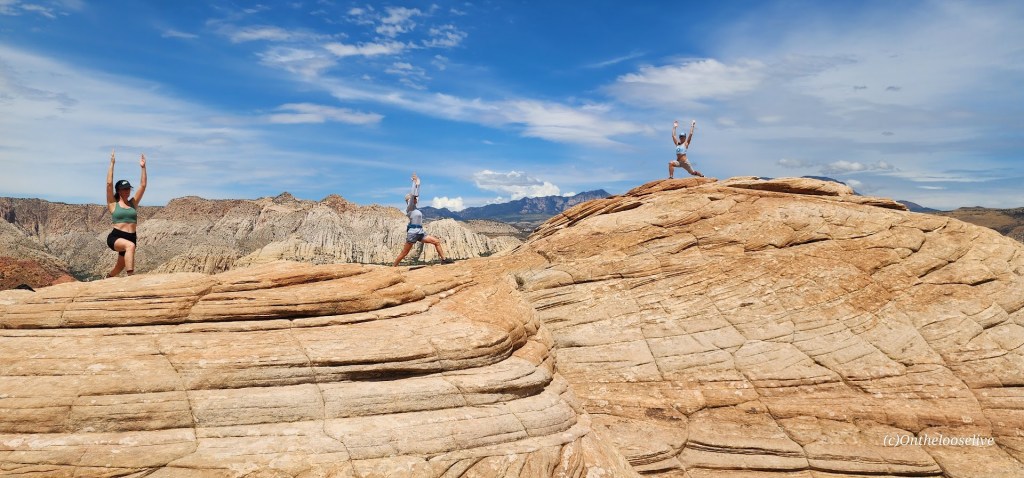
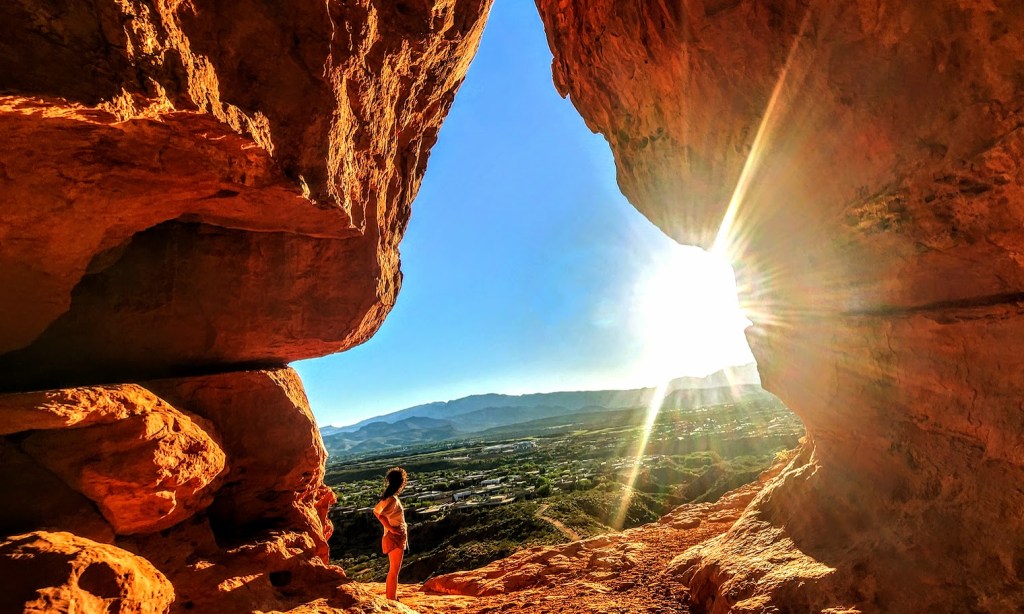
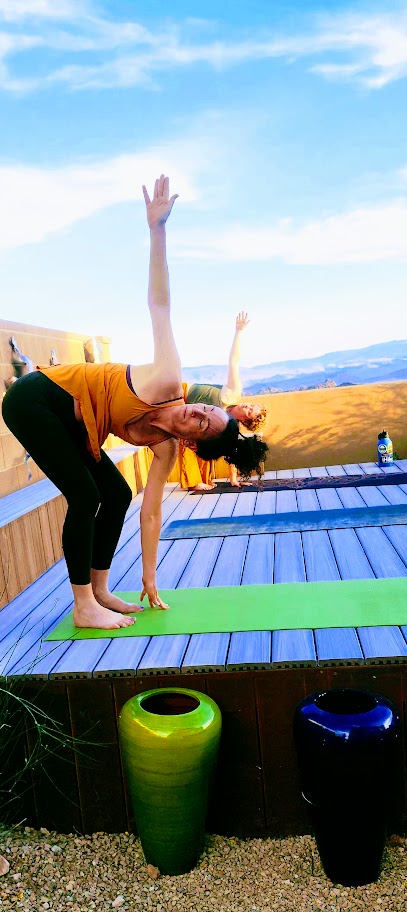
Greetings, I’m a St. George local who is passionate about blending my love for yoga, and the great outdoors to create an unforgettable experience just for you. Enjoy outdoor yoga (all levels) in an iconic setting and/or a guided hike to secret petroglyphs, caves, and slot canyons. With stunning Snow Canyon as my backyard, I'd love to be your guide to the best this area has to offer! Ask about my "home stay" options.
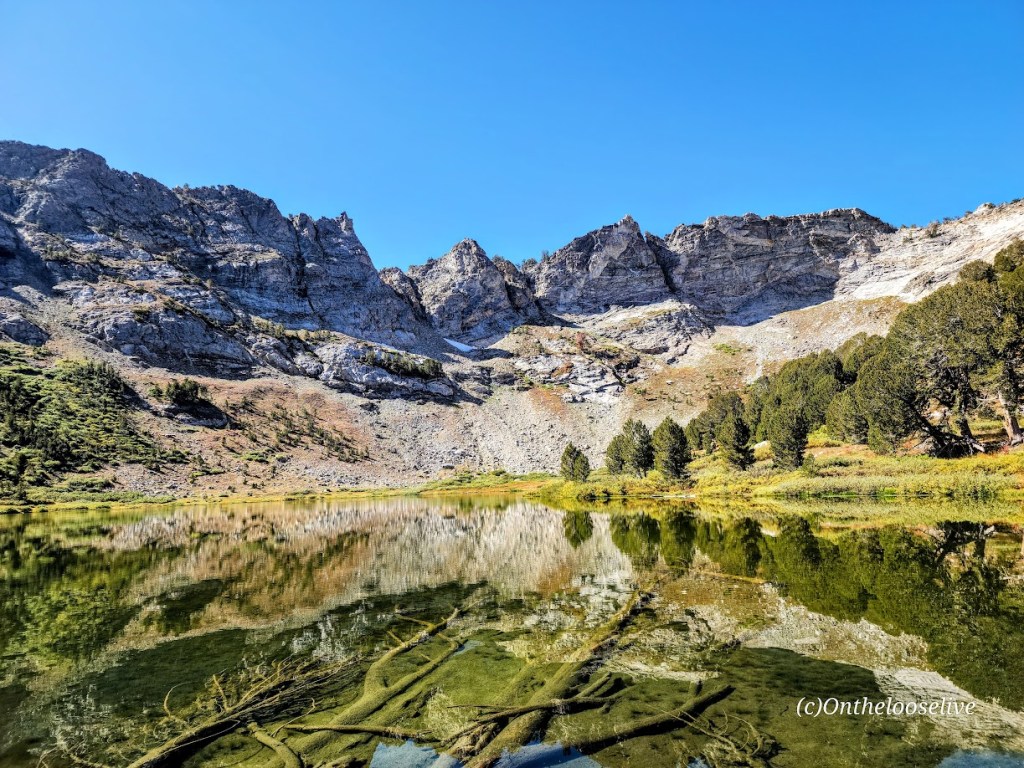
The Eastern Sierras Ruby Mountain range (often compared to the Alps) was named for the gems found there during the gold rush. The name is a misnomer, though, as the dark red gems discovered in these mountains were garnets, not rubies.
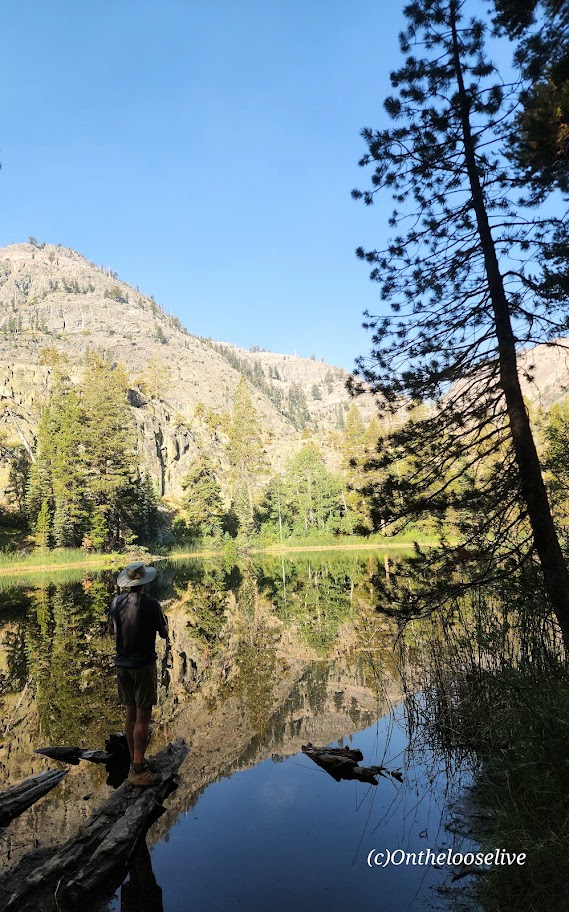
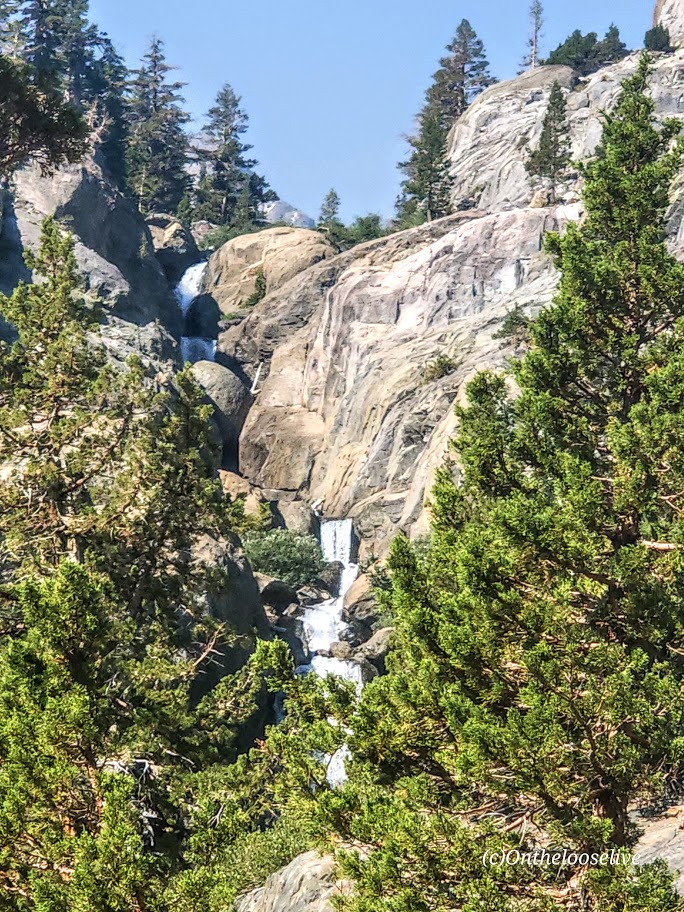
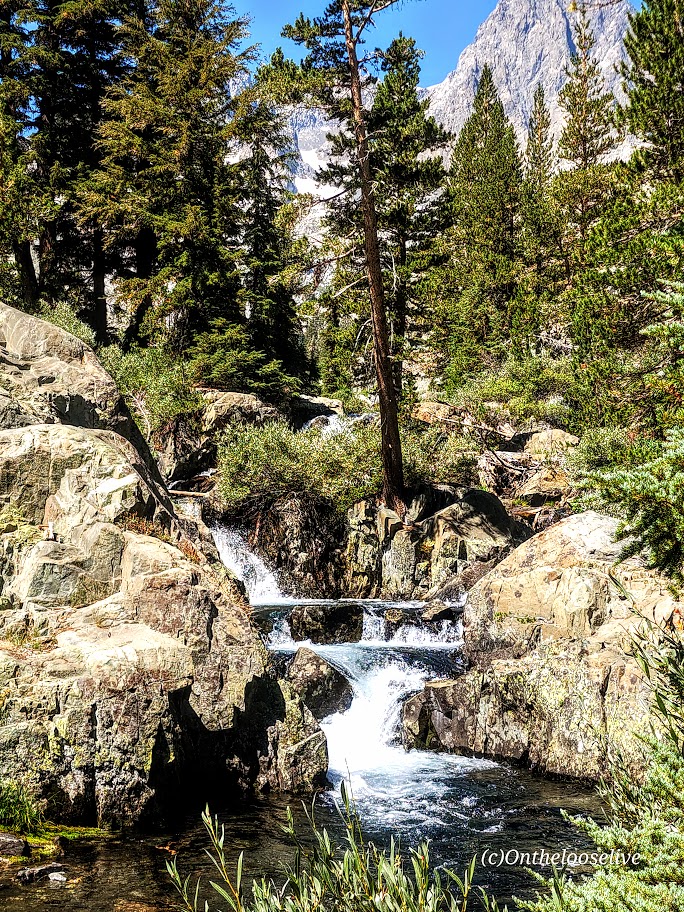
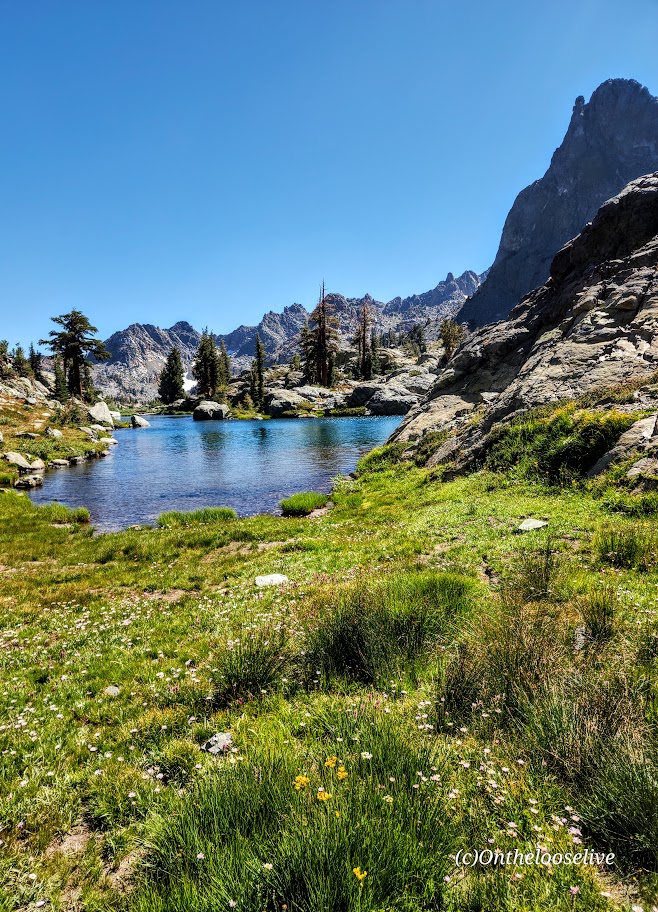
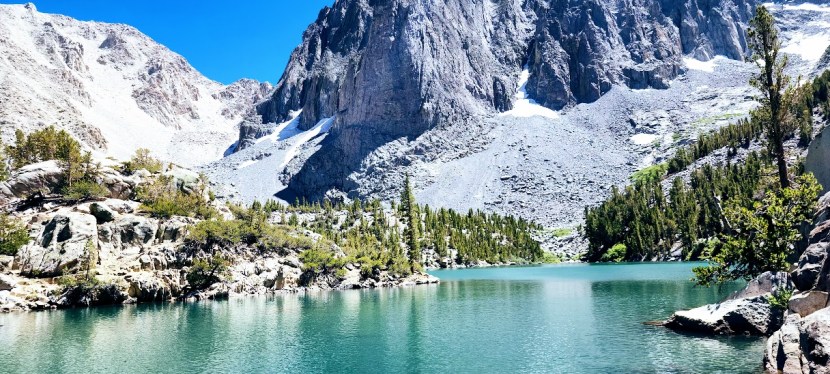
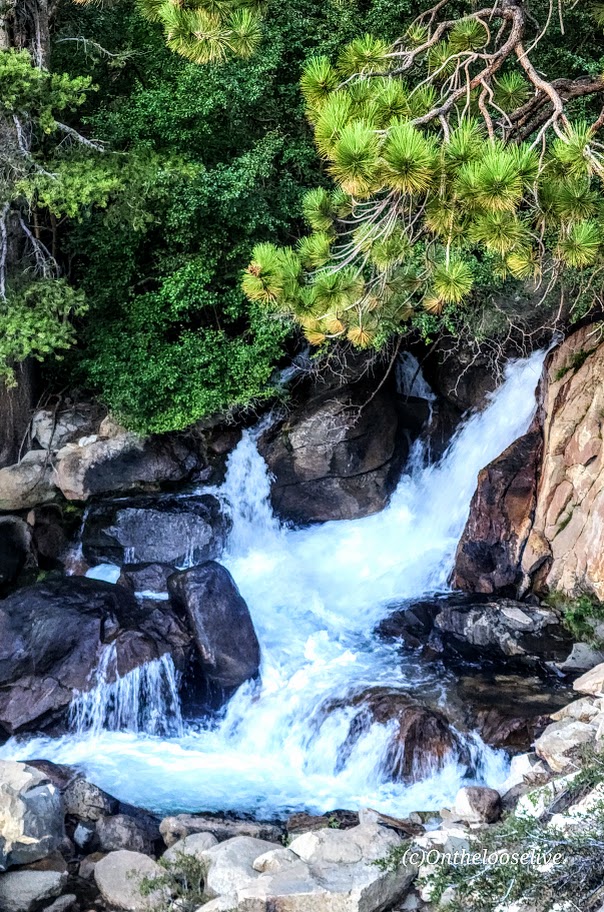
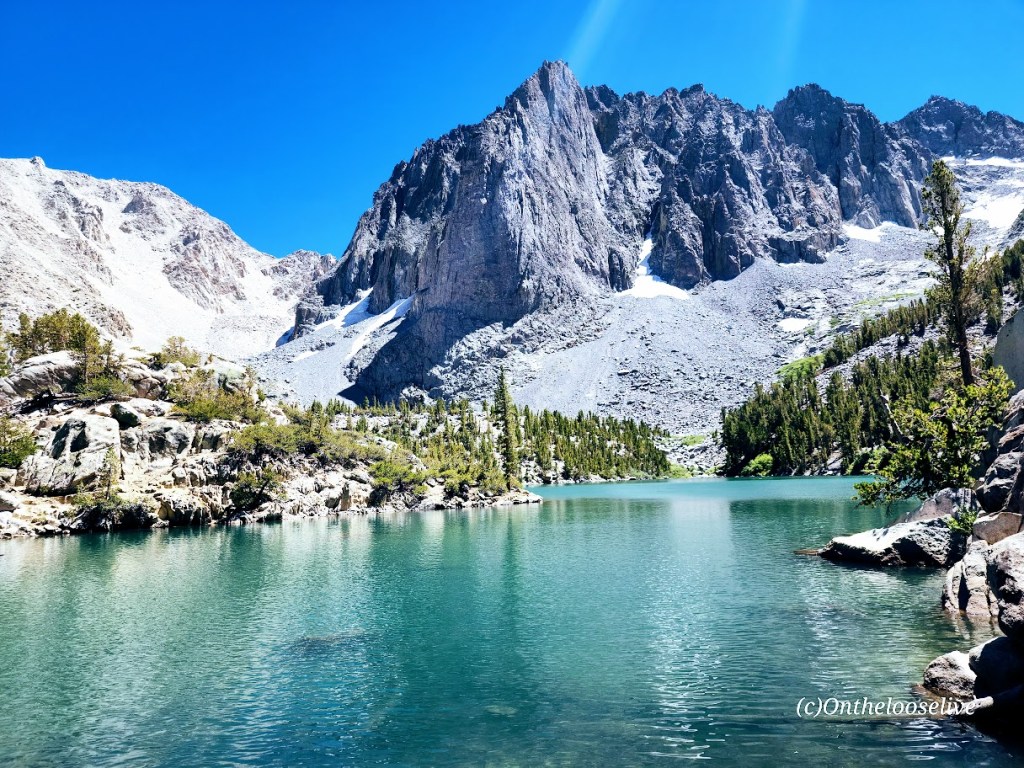
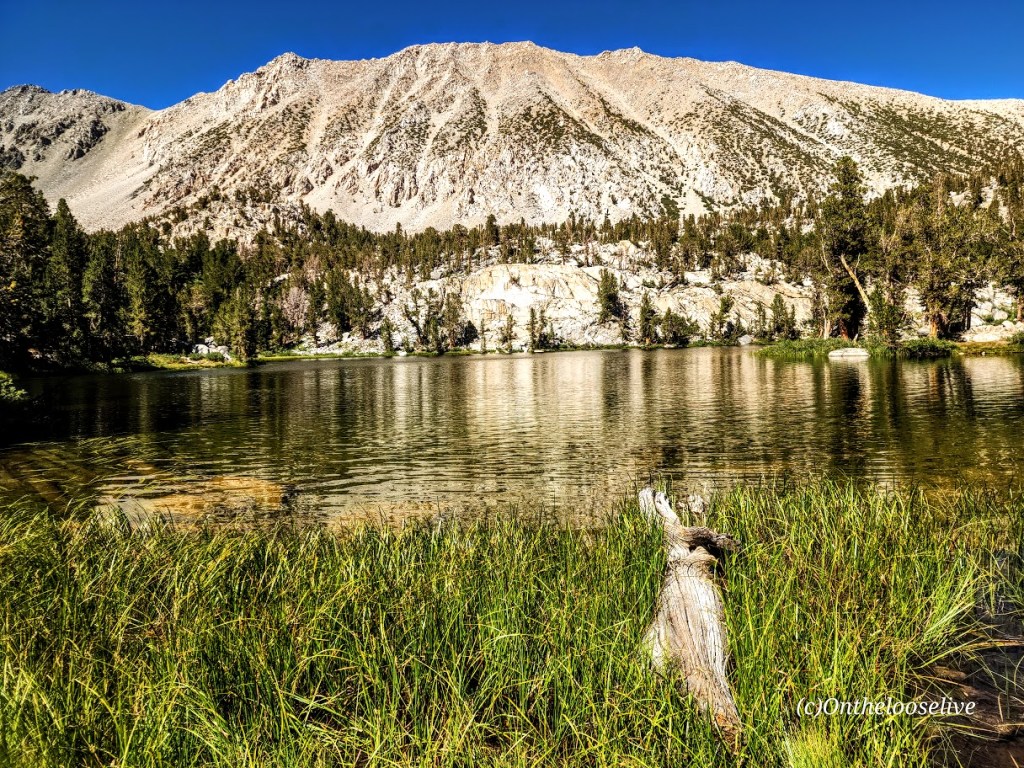
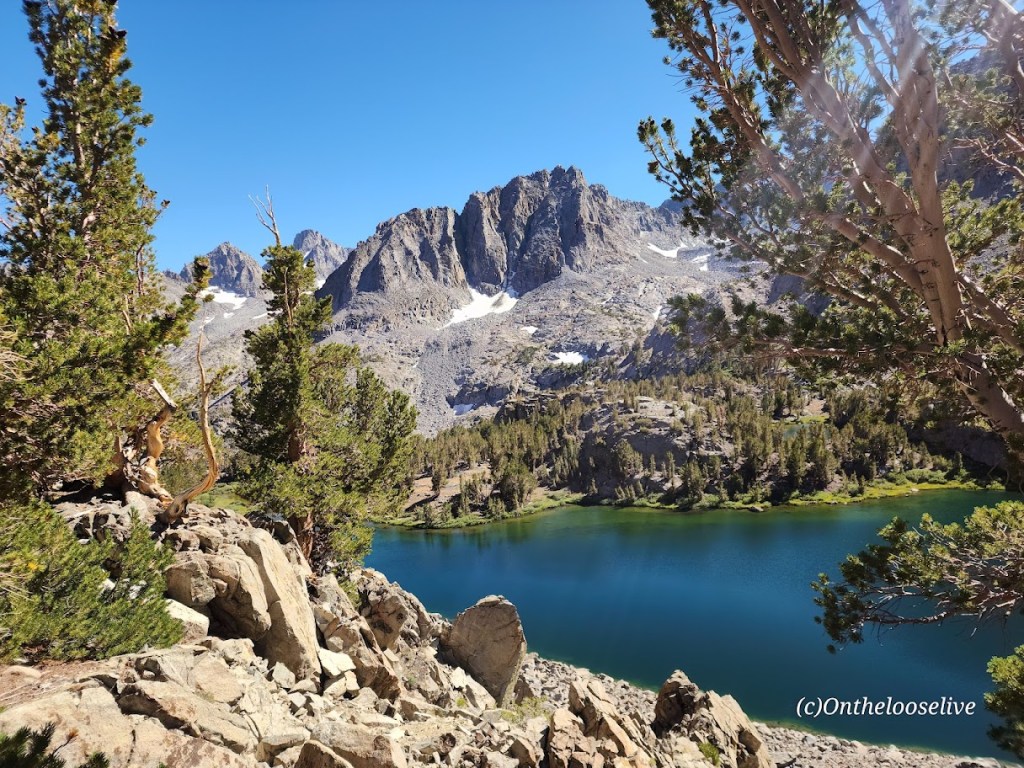
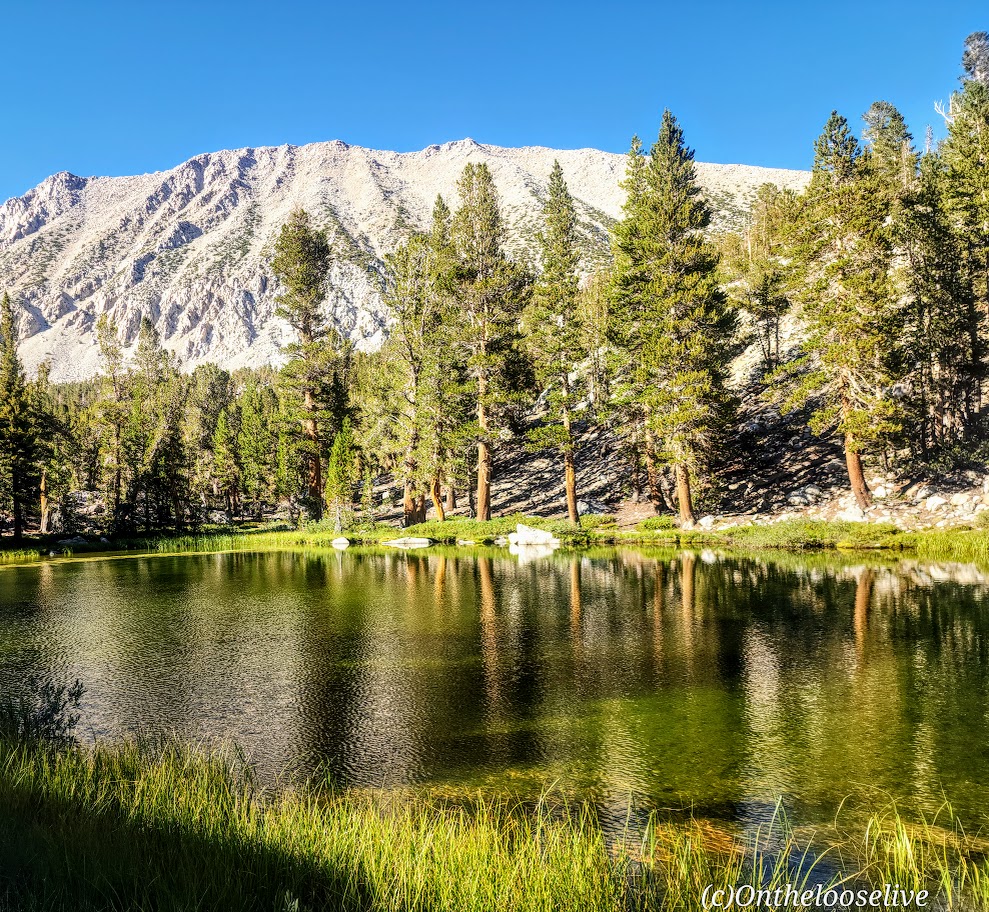
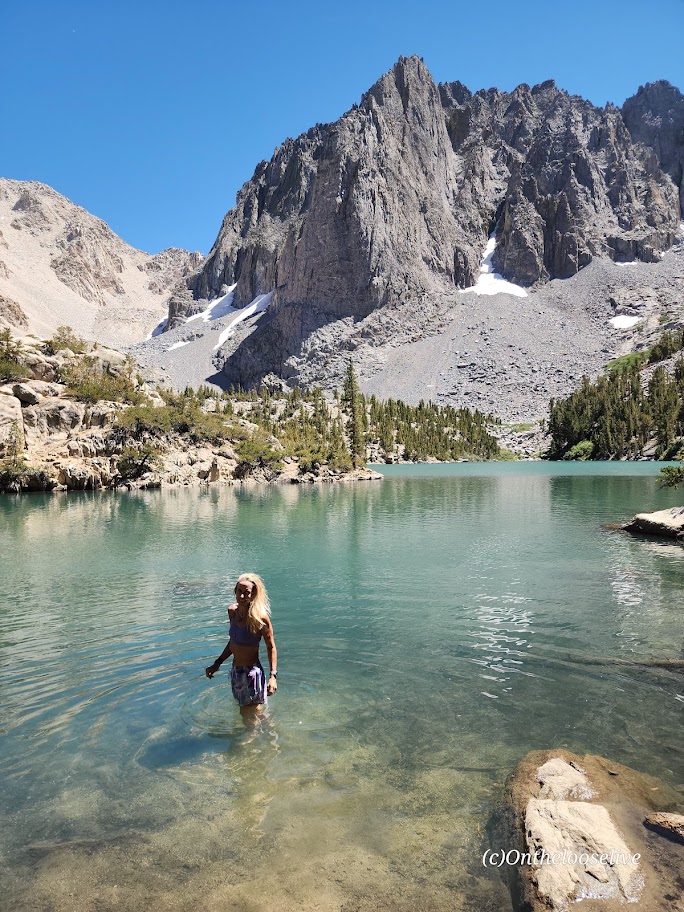
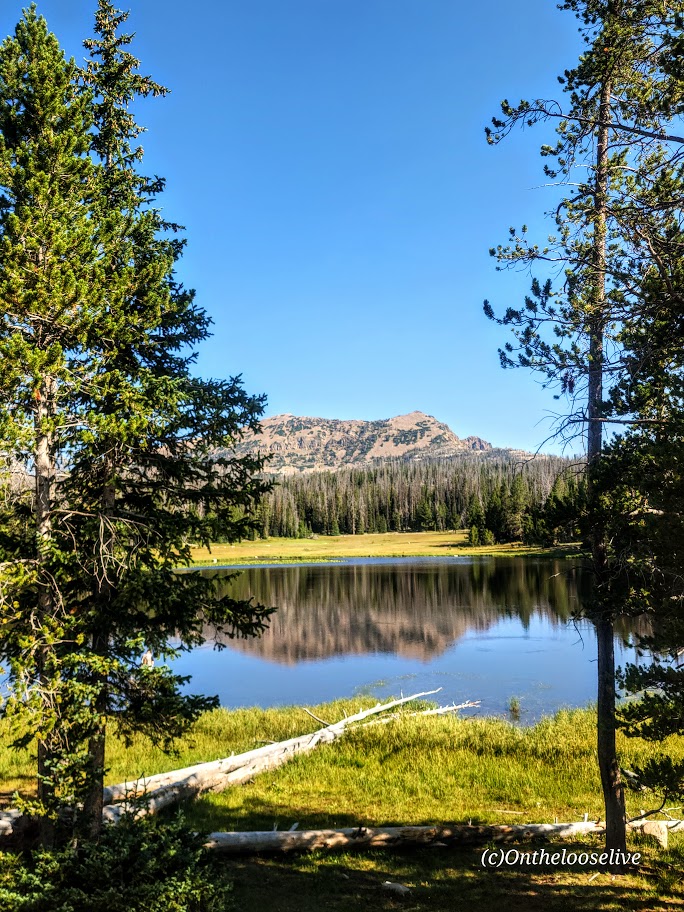
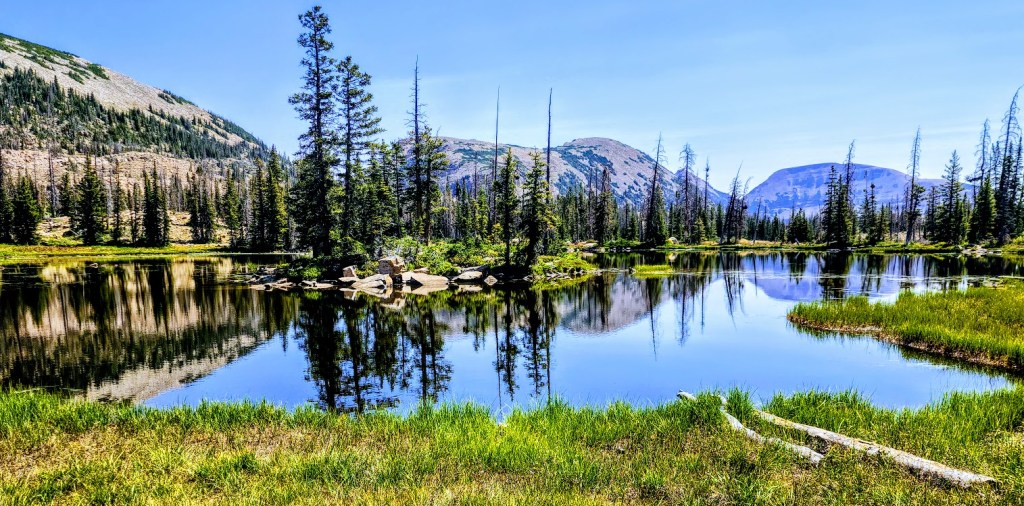
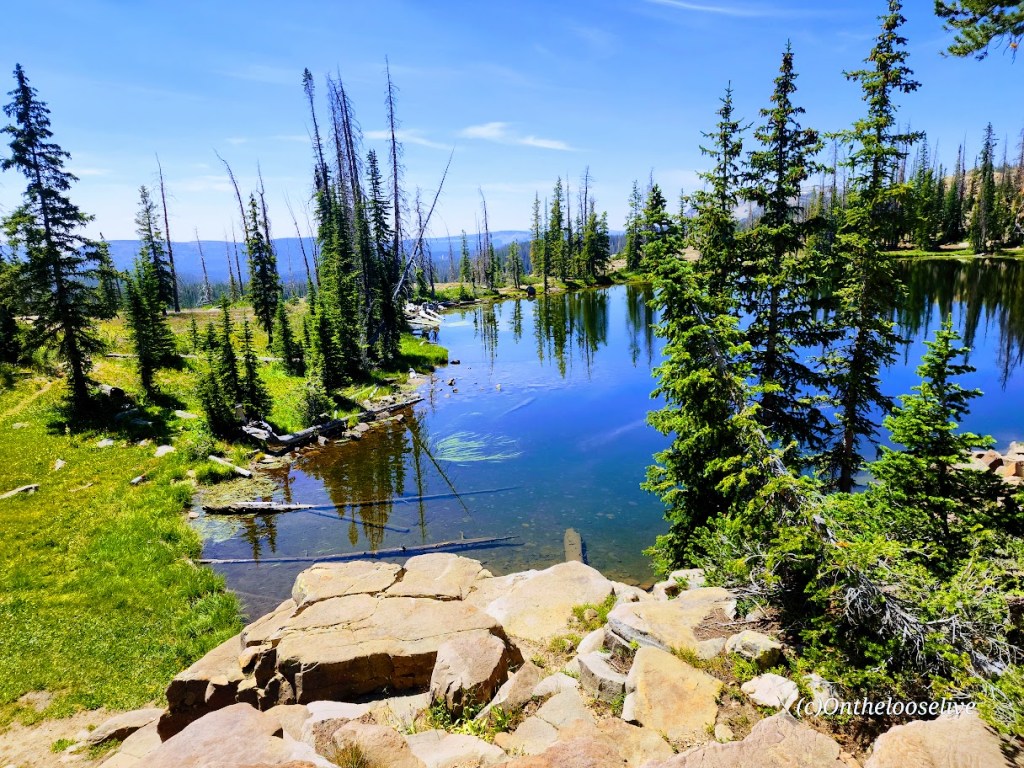
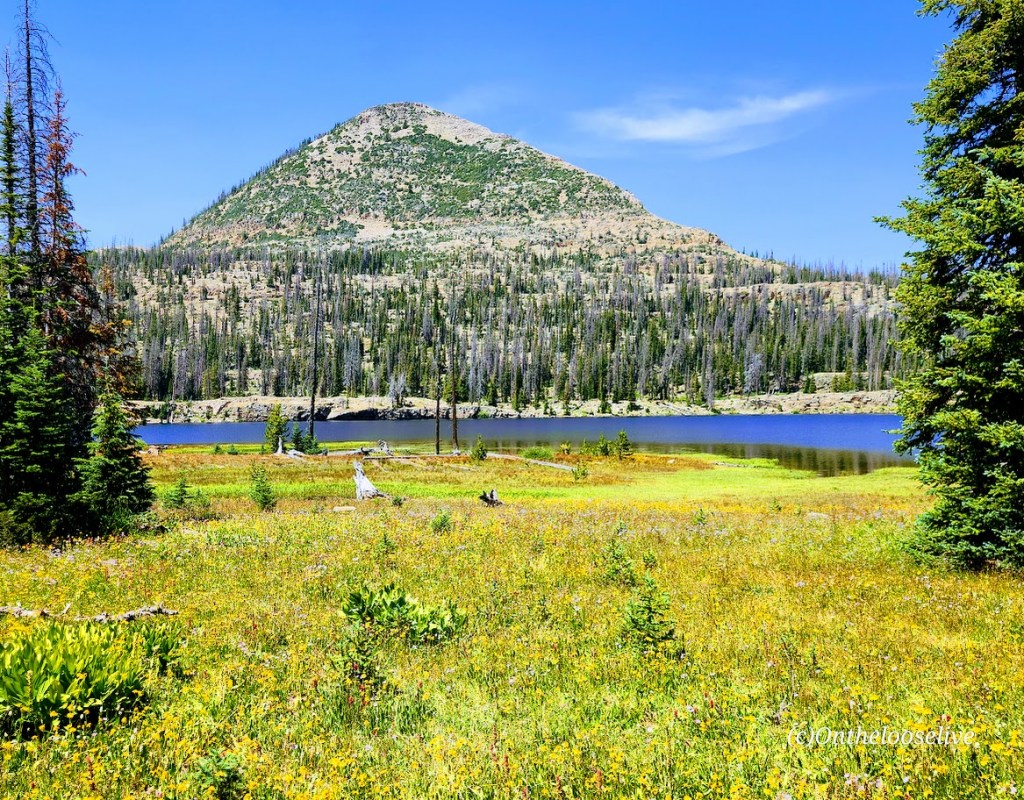
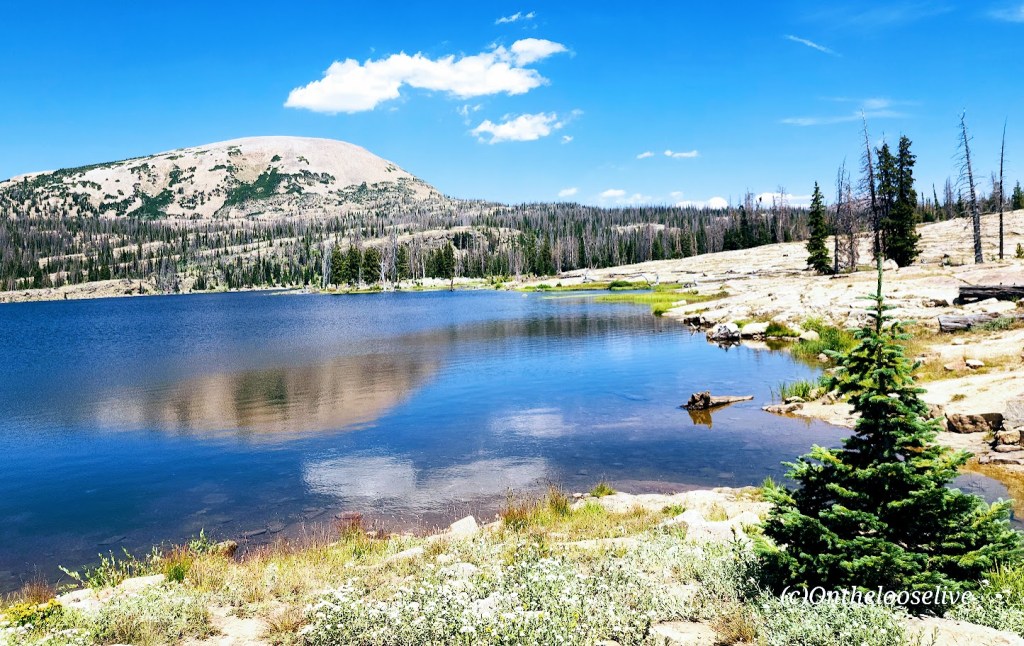
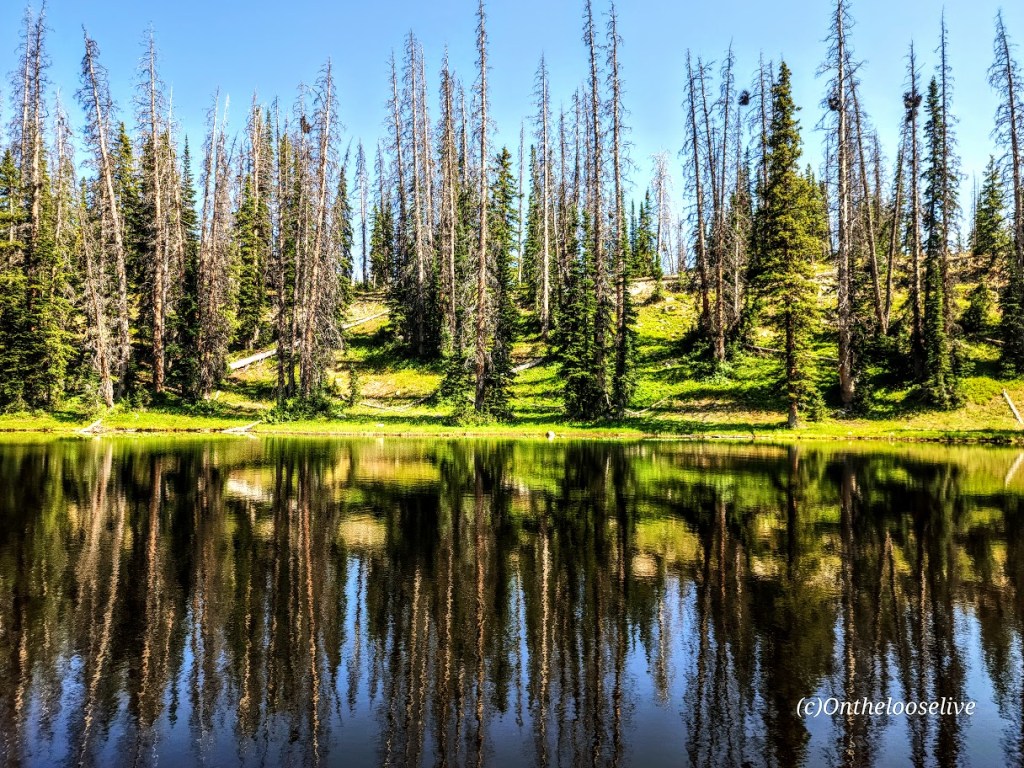
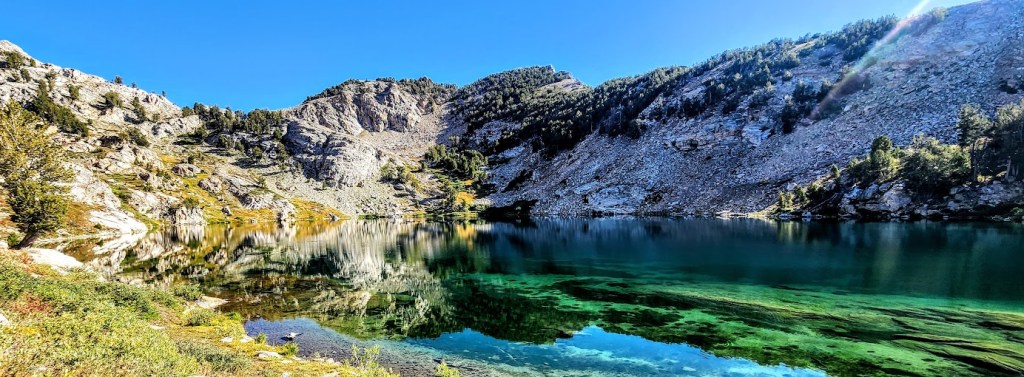
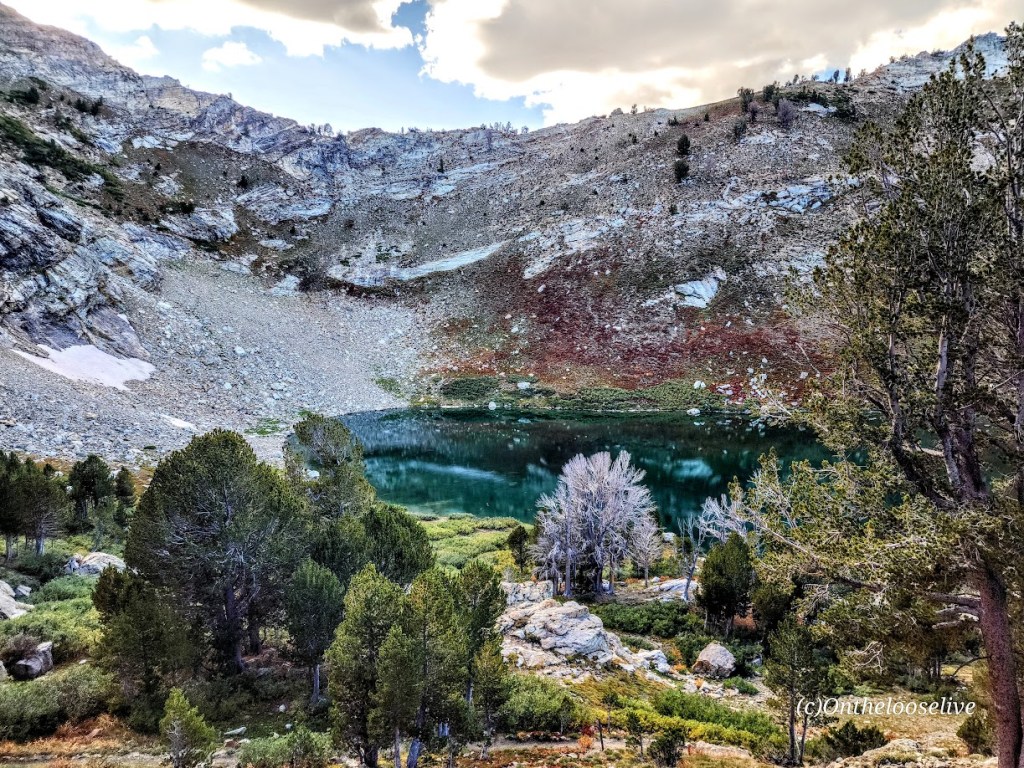
While no gold was ever found in the Ruby Mountains, treasures abound—two dozen dazzling alpine lakes and streams lively with Rainbow, Brook, and Lahontan Cutthroat Trout, meadows, and healthy forests. This rich wilderness area is home to one of the largest mule deer herds in Nevada and populations of mountain goats, bighorn sheep, and Himalayan Snowcock. (Oddly, I didn’t see any of them on my overnight backpack.)
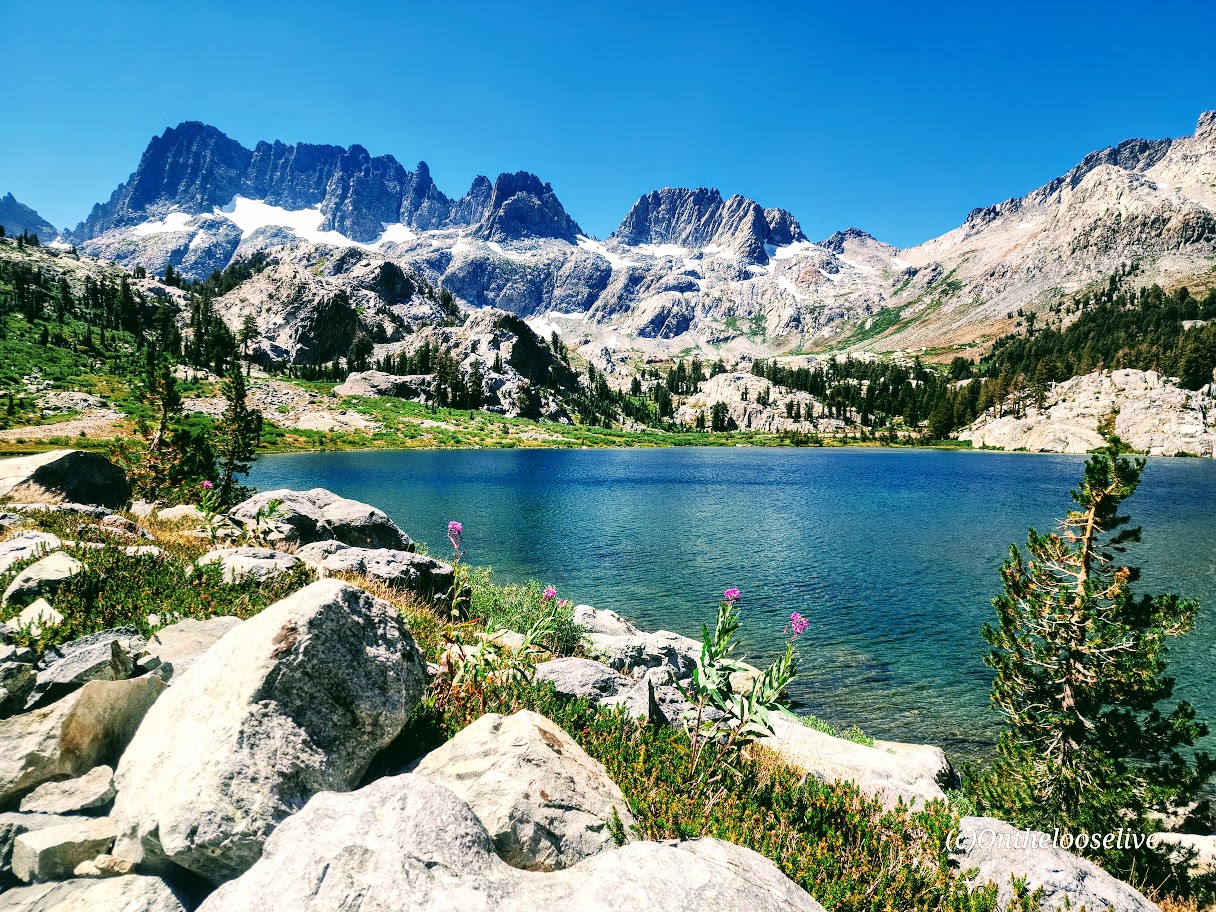
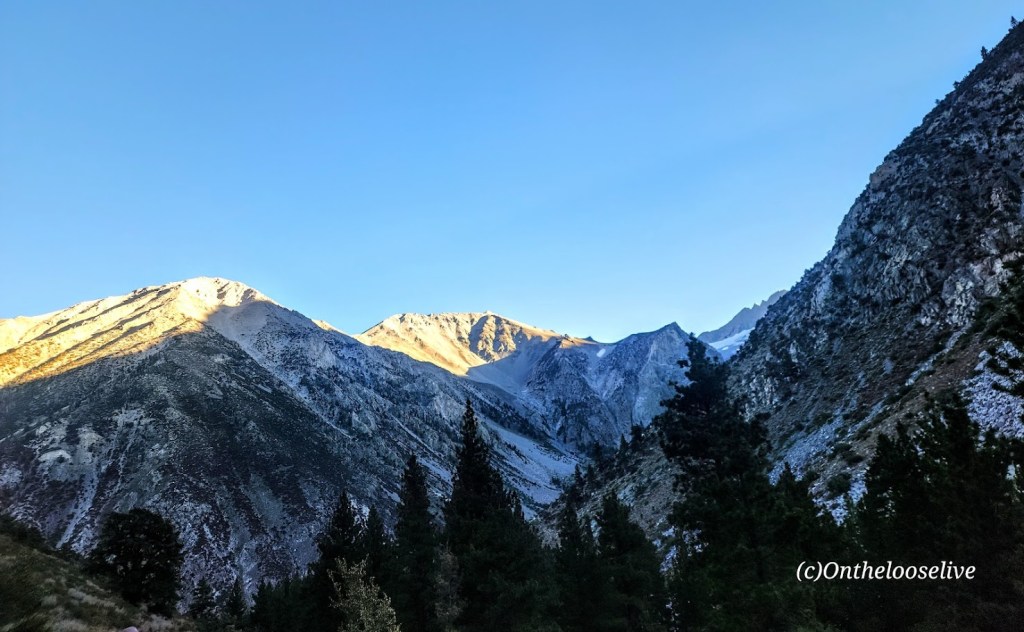
The Ruby Mountains’ craggy, glacier-carved peaks rise nearly 5,000 feet above the valley below and are capped by Ruby Dome at 11,387 feet. The elevation on the trails ranges from 7,ooo ft to 11k. Trail length varies from a couple of miles to multi-day thru-hikes—choose your adventure. The main trails are well-marked and maintained, easy to follow, and easy on the feet. Explore for an afternoon or overnight backpack, as I did. If you’re like me, you’ll be dazzled by the glimmering alpine lakes and the sparkling night sky.
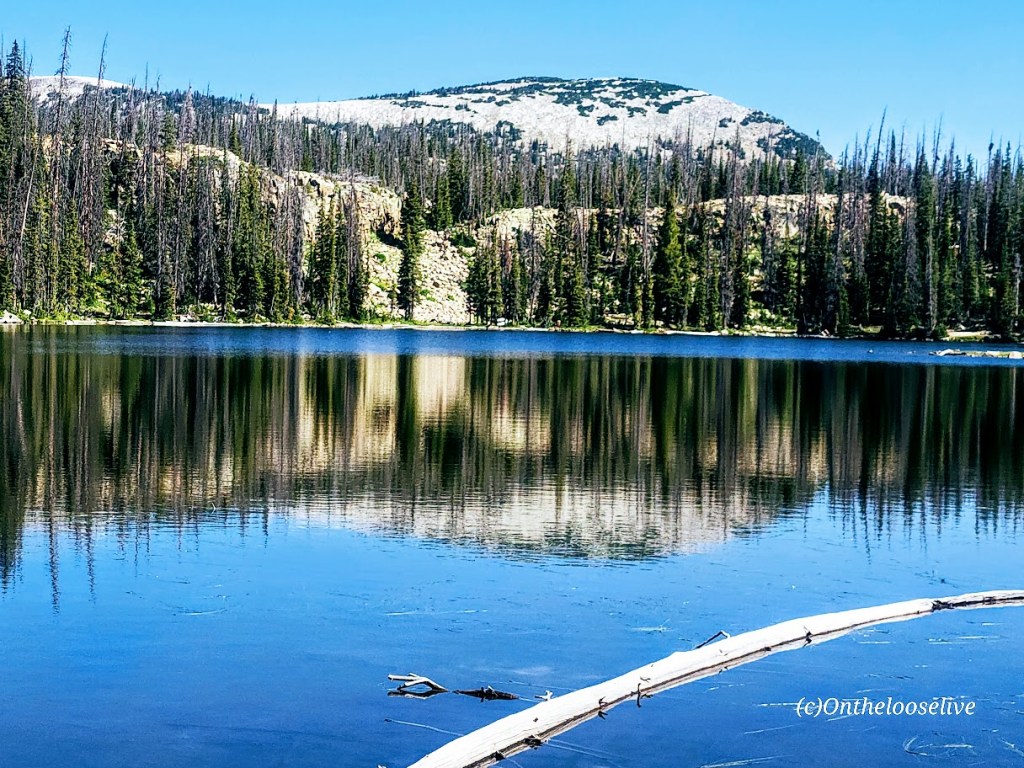
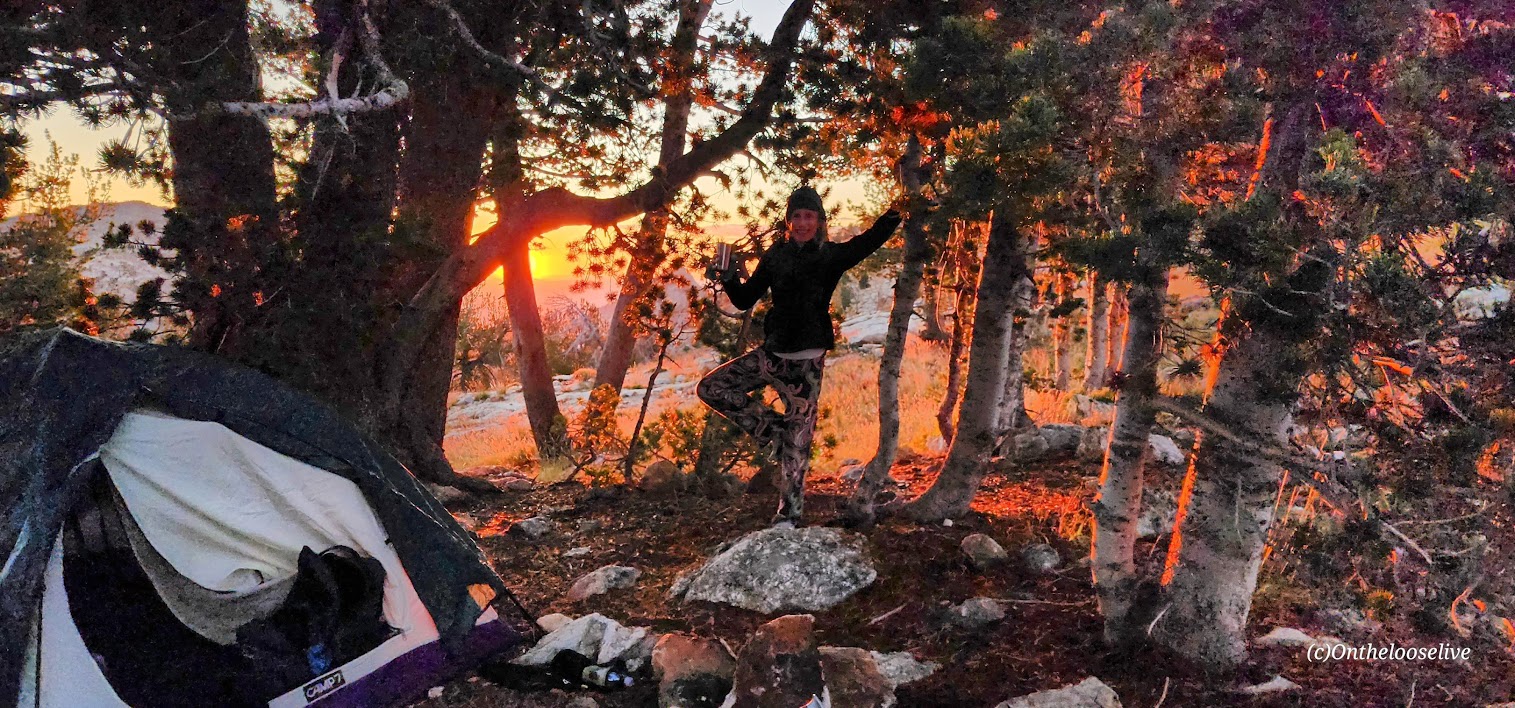
I went on an overnight backpacking trip here in September 2023. Yes, I’m way behind in my posts (understatement). I explored half a dozen lakes, including Liberty Lake, Lamoile Lake, Farvre Lake, and Castle Lake. I shall return and will provide more details then. Until then, click here for more info about the Rubies from “Travel Nevada.”
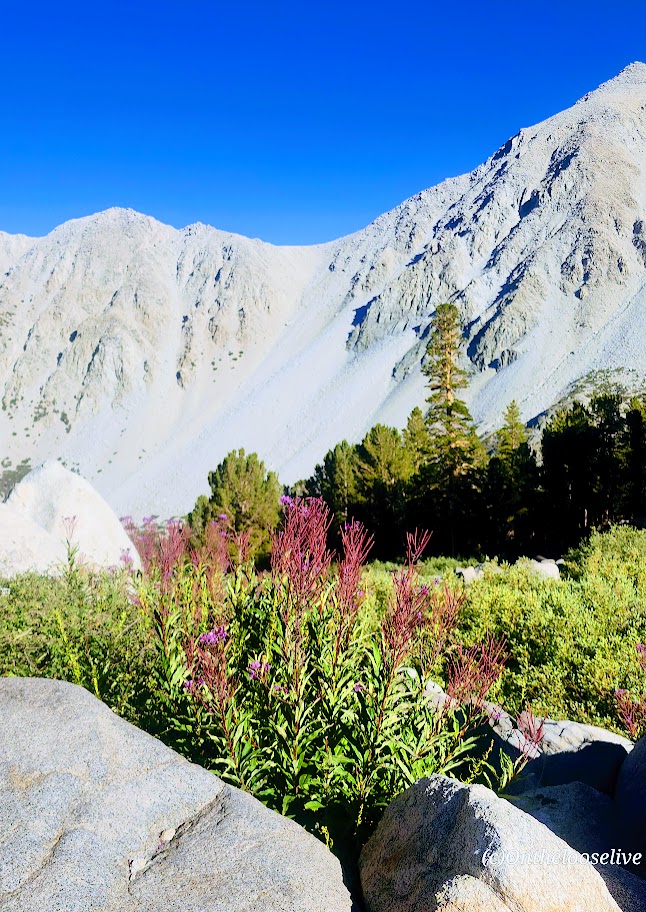
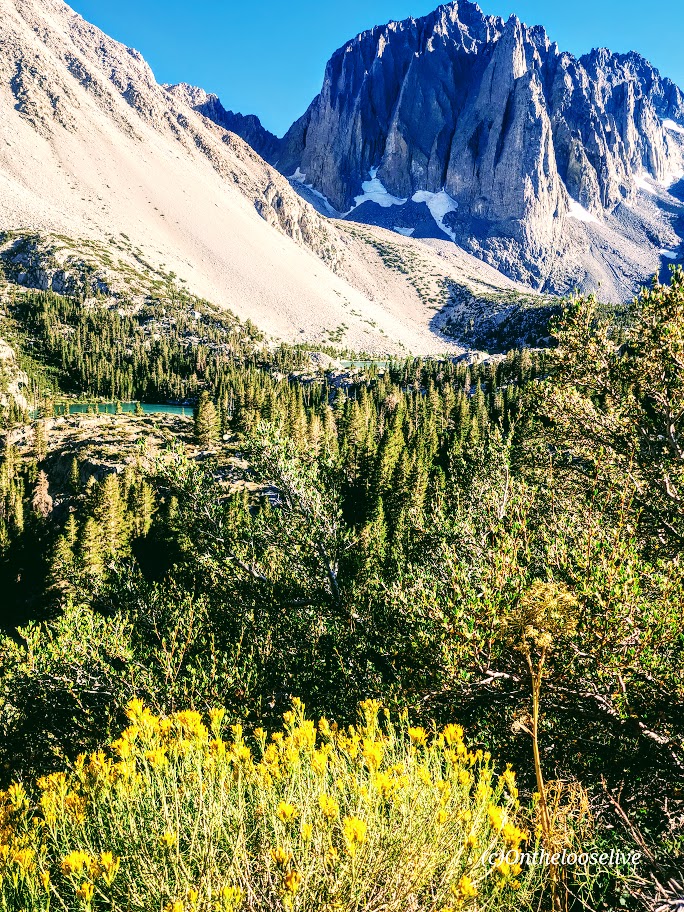
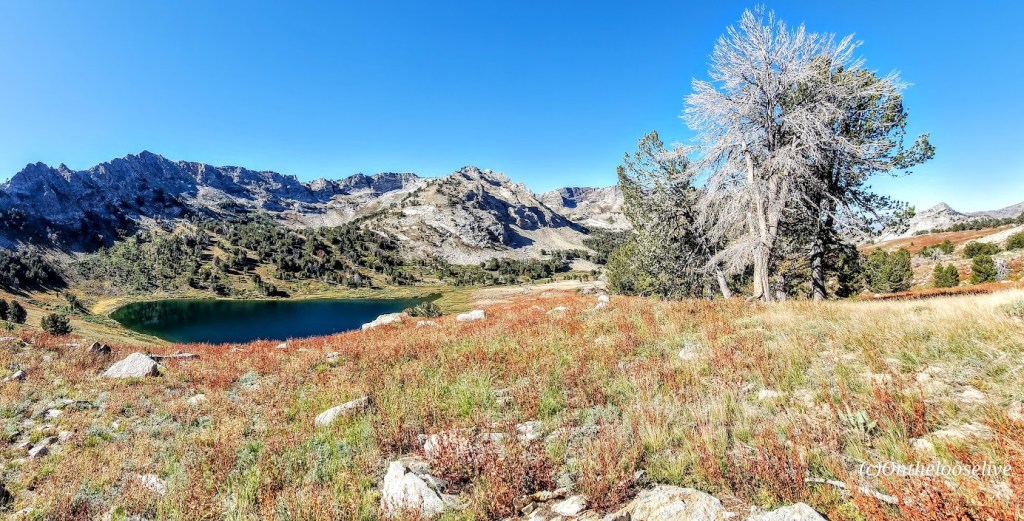
By now, you know that I have a thing for alpine lakes. While I could have lingered for days at any of the gems I visited, I did venture up above the treeline to take in the grand views as well. As you can see, it’s a completely ifferent vibe at a higher elevation – there are ten peaks over 10k feet here, and the highest is Ruby Dome at 11,387 feet
Night skies are wonderfulhere (Saw a rocket launch and a huge meteor!) And even on a weekend, solitude abounds!
Note of caution: Elko is 21 miles away from the Ruby’s; you’d think a place so close to this spectacular wilderness area would take pride in its gateway status. Sadly, Elko has one of the highest crime rates in America compared to communities of all sizes. (Elko’s population is only 20K!) The chance of becoming a victim of violent or property crime is 1 in 30. YIKES! Making it your adventure base camp, especially if you are a woman traveling solo, is ill-advised. Bring a hiking buddy and head for the mountains. (Common sense—don’t leave any valuables in the car.
Elko history: Elko was settled in 1869 with the development of the Transcontinental Railroad and became a base for gold and silver mining and livestock ranching. Unfortunately, it seems that it’s been downhill since then. There are 6 legal brothels in this small town of 20k, and the seedy element they attract is
Getting there:
From Elko, follow State Route 227 southeast toward the tiny town of Lamoille. Just before entering Lamoille town limits, turn right on the paved 12-mile Lamoille Canyon Scenic Byway and follow it to the parking area at its terminus.
Happy Trails!
(Here I am overloaded with my old heavyweight gear (3 lb surf backpack, 3.5 lb sleeping bag, 7.5 lb tent, 4 liters/8 lbs of water, etc., etc.). My last overnight backpack was years ago on Mt. Whitney. I guess my knees and back could still handle a heavy, poorly distributed load then. This time, the struggle was real. In the picture here, who knows if I’m grimacing or smiling in relief that most of the climbing was done. Since then I have opted for ultralight camping gear, which cuts my load by more than half. Stay tuned for an upcoming gear post.
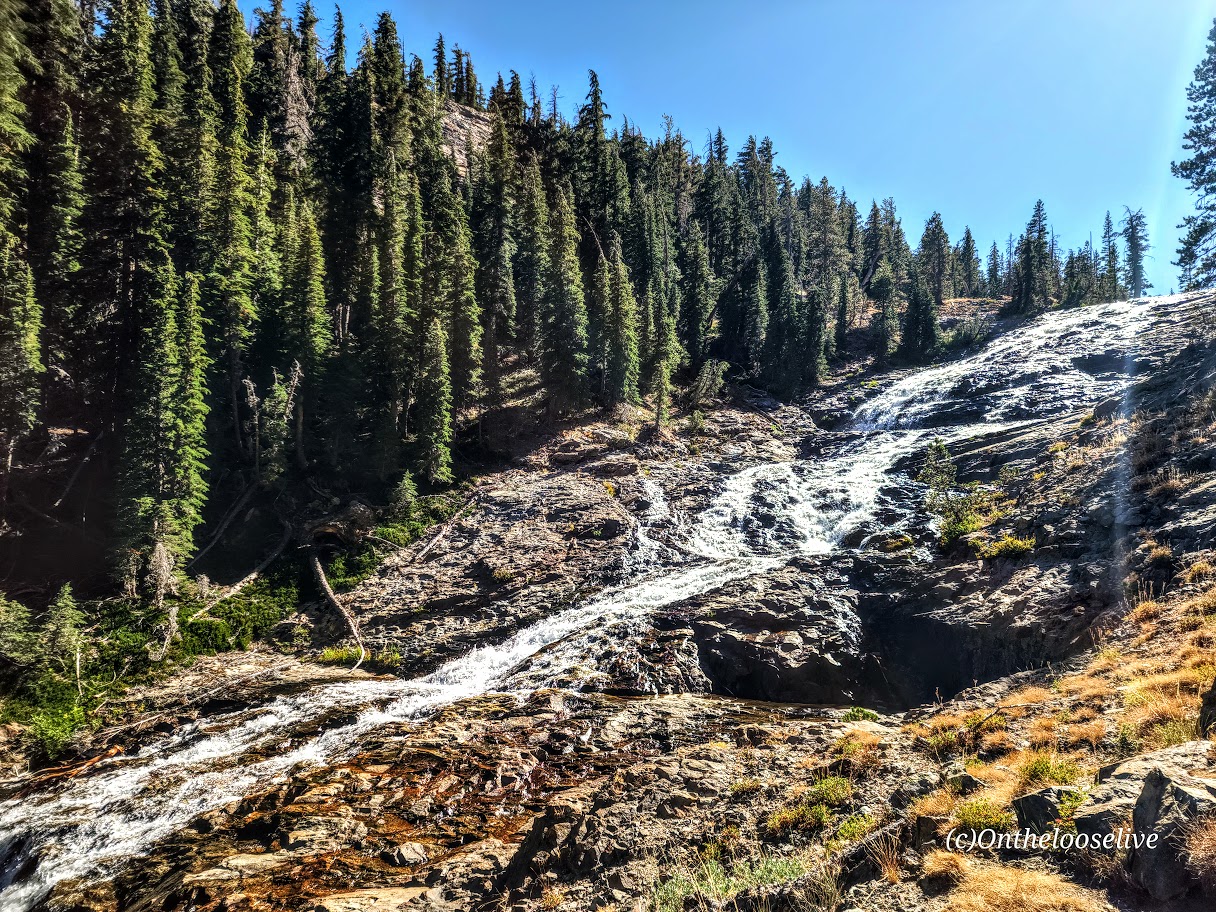
Just when I thought the scenery along Mirror Lake Highway couldn’t get better, I saw the sign for Provo River Falls and turned off (<15 minutes east of Kamas). This enchanting roadside waterfall has three tiers (upper, mid, and lower), lovely terraces, and multiple cascades. It’s a must-stop if you’re driving Highway 150. There’s a short paved path alongside the 3 waterfalls. The water temperature ranges from 35 to 55 degrees so the mist from the waterfall is wonderfully refreshing, especially on a hot day.
Difficulty: Moderate to hard, depending on your fitness level and acclimation to altitude
My second splendid summit of Mount Timpanogos (11,753 ft) was via the Timpooneke Trailhead. (And yep, I’m sticking with the same title. Mount Timpanogos simply has ALL the ingredients for a great hike. I’ve seen Mt. Timpanogos from both sides now (Aspen Grove Trailhead and Timpooneke), and both routes are gorgeous. Mount Timpanogos still ranks as the best US hike I’ve done.
Trail Notes: Keep your eyes open; at Mile 1, the trail takes a sharp right turn. (I kept going straight on what appeared to be a wide, well-traveled trail that stopped short across a stream. I ended up scaling a waterfall avalanche chute before it dawned on me that I was on another one of my “off trail explorations”—yep, I know, lol. I later learned I wasn’t the only one and suggested to the ranger that a sign might be advisable.)
At the 3-mile mark, a “snow bridge” had collapsed across the middle of a waterfall, requiring careful traversing of the slanted, slippery snow field. The picture below may not look too treacherous, but there is a waterfall crevasse directly under the snow. One slip could be a big, potentially final slip if you know what I mean.
Crampons would help, but given the onslaught of the heat wave we’ve been having, this section won’t be an obstacle for long. Other than that, the trail is well-marked until you reach the Emerald Lake juncture. The Summit Trail (054) is the unmarked (I’m not sure why) trail to the right.
Cons: This route seems busier/more crowded. (I was there on a weekend. I’m sure it’s better on a weekday.) You may want to challenge yourself with the extra 1k of elevation that the Aspen Grove route delivers.)
Pros: It’s easier—there is 1,000 feet less elevation gain, and a couple of miles shorter. Best of all, you completely bypass the tortuous snow and talus field that takes forever to painstakingly cross on the Aspen Grove route. (See picture below.) Footing is easy the entire way on the Timpooneke route perhaps that’s why it’s so popular with trail runners.
On the way up, you’ll go through what I’ll call “Moose Meadow,” where I saw the moose below with her calf.
You get a great “bowl” view of Timp’s peak above and surrounding peaks from the wildflower-filled meadow basin.
After which, the trail begins to climb in earnest to the Timp Saddle, where you’ll enjoy sweeping views of Utah Valley and the summit ahead. If you’re lucky, you may see grazing, napping, or salt-licking mountain goats along the way. Give the mountain goats space and respect. I(I have a great magnifier on my camera.) (While the goats look docile, they have been known to kill loose dogs that harass them (3 loose dogs were killed by goats last year) and gore people who get too close.)
I saw several off-leash dogs—doesn’t seem prudent! I’m guessing the moose wouldn’t take kindly to the loose dogs, either.
To reach the summit, mild scrambling is required. The section is short and nontechnical, but it is not for the faint of heart or those scared of heights. The panoramic views are tremendous, but it was a bit hazy when I summited—perhaps due to the wildfires in the surrounding areas.
Caution: This hike involves significant elevation gain and hiking at elevation. Be aware of the signs of altitude sickness. It can sneak up on you even if you’ve never had it before. It happened to me recently on Wheeler Peak. On the way down Timpanogos, a teenage girl was in a fetal position by the trail, holding her head. Her family had called for rescue. Hopefully, she’s okay.
RT: 8.6 miles (started from the campground and added on the Alpine Lake Lake Loop)
Elevation Gain: 3,000ft
Peak Altitude: 13,065 ft
Difficulty: Moderate to Hard, depending on your fitness level and altitude acclimation…
Located in Great Basin National Park (Nevada), Wheeler Peak is a relatively easy peak to bag with a short hike up (<4 miles) and a total elevation gain of 3k. The hike doesn’t get serious (intense) until you hit the 3-mile mark. By then, you’re at about 12,000 ft elevation with another 1,000 ft of climbing packed into the last scrappy scree and talus-filled mile.
At 13,065 ft, Wheeler Peak is the tallest mountain in the Snake Range and the second-highest peak in Nevada. (Boundary Peak is the highest at 13,147 ft.) For perspective, in the first picture above, those tiny linear marks are people on the scree and talus section of the”trail”.
By “I got wonky”, I mean I got altitude sickness. And I don’t mean to downplay the potential seriousness of it. I’ve done higher peaks (Mount Whitney 14, 495 ft) and experienced headaches, but I’ve never experienced altitude-induced “aphasia.” It happened on the way down after spending over an hour taking in the views from the top. (Apparently, too long for me.)
After descending about a mile, I said something to my hiking partner, and my words came out jumbled. (I knew what I wanted to say, but the wrong words were coming out in random order.) Either I was having a stroke or experiencing altitude sickness. My heart rate was relatively low, 75 bpm, and I’m relatively fit – while that doesn’t rule out a stroke, altitude sickness was more likely. There were no other symptoms, although I stumbled a couple of times towards the top and on the way down, which I attributed to the loose, rocky terrain (talus and scree) and my bad knees.
It didn’t help that we drove from an altitude of 3,000 feet directly to the campground and trailhead, which sits at 10,000 feet and started hiking vigorously immediately. (We made it to the top in 2 hours.) In retrospect, this was probably not the best plan, but I’ve never experienced more than a headache at altitude, so I considered myself relatively impervious. (False; just because you haven’t had altitude sickness doesn’t mean you won’t get it. No one is impervious. Altitude sickness strikes randomly.) I had hiked in the local mountains to 10,000 feet that week without incident.
What to do? The best treatment for altitude sickness is to descend immediately, so I did. It took another 1,000 feet of descending before my ability to speak coherently returned, much to my relief. I count myself lucky, as there have been incidents of high-altitude hikers experiencing aphasia for as long as six months—yikes!
Of note, a thin 20-something-year-old man dressed in a black sweatshirt and sweatpants (overdressed for 70-80-degree temperatures) appeared to be having some difficulty as he approached the last 100 feet of the climb. He seemed out of it, angry/unfriendly, as we gave him the right of way on the single-track trail. As we were hiking out our last mile, a ranger approached us and asked if we’d seen a young man dressed in black as they’d received a distress call about a fellow with altitude sickness…
Flash forward to the following weekend; on my way down from Mount Timpanogos Peak (11,752 feet) a slight teenage girl was curled into a fetal position on the side of the trail, holding her head. Her father and brothers stood around her. They had brought her down as far as they could, but she was incapacitated with severe nausea and a headache. The rescue team was on its way.
Other than my bout of altitude sickness, Mount Wheeler is a “relatively easy” peak to bag though the last steep slippery scree and talus section isn’t much fun if you’re not nimble-footed or if you have knee issues. Both apply to me. I used a pole on the way down to keep myself from taking a spill.
I was back to feeling fine, so we added on a leisurely stroll around the scenic Alpine Lakes Loop Trail for views of Teresa and Stella lakes, both of which looked more alluring than the last time I visited them. Perhaps I just caught the light right this time? If you’re not into bagging peaks, the lake loop is an easy 2.6 mile trail, but the altitude of 10,000 feet can still be a factor.
Altitude SicknessPSA
There are 3 syndromes of altitude sickness: acute mountain sickness (AMS), high-altitude cerebral edema (HACE), and high-altitude pulmonary edema (HAPE)
Acute mountain sickness (AMS)
Symptoms: Headache, Dizziness. Loss of appetite, Nausea, Vomiting, Fatigue / Loss of Energy, Shortness of Breath, Irritability, Dizziness, Muscle Aches, Insomnia
High-altitude cerebral edema (HACE) is a potentially life-threatening form of AMS where the brain swells due to lack of oxygen. Symptoms: Extreme fatigue /Drowsiness, Confusion, Loss of Coordination, Hallucinations
High-altitude pulmonary edema (HAPE) is also a potentially life-threatening form of AMS that impacts the lungs. It can occur in rapid ascents above 8,200 feet when blood vessels narrow due to lack of oxygen, leading to fluid build-up in the lungs. Symptoms: Shortness of breath, Weakness, Cough
Altitude Sickness Facts
75% of people experience mild symptoms of AMS at elevations over 10,000 feet, dependent upon the elevation, the rate of ascent, and individual susceptibility.
14% of people with HAPE will also have HACE
Anyone (fit/unfit, old/young, male/female) can get altitude sickness
Men are more susceptible
Obese individuals are more susceptible
Genetics play a role
Fast rate of ascent can play a role
Your body loses water through respiration at high altitudes twice as fast as it does at sea level
Preventive Measures
Hydrate well
Carb load
Allow at least a day to acclimate to the altitude if possible
Rim2Rim Grand Canyon: North Kaibab, North Rim to Bright Angel, South Rim
Distance: ~25 Miles [I added on a little side-trip.]
Elevation Gain: 4,534 Feet (Elevation loss 5, 850)
Difficulty: Hard, Strenuous
My Stats
Moving time: 7 hours, 57 minutes (Yay, barely sub 8 hours, but I’ll take it at nearly 60 years old for my first R2R.) I don’t think I could have had a better hike.
Start Time: 5:42 AM
Finish Time: 2:53 PM (including 2 stops)
Break Time: 3:04 PM After waiting (impatiently) for a seat on the bench at the Terrace overlook, I took my first real rest stop to soak in the views and put my legs up! Wish they served cocktails here!
I did the thing
So I did the thing, even though I’m not into doing things that are mainstream “things,” and even though last month’s South Kaibab Phantom Ranch hike experience was suboptimal due to crowds and the heat.
Why? Because it’s there and friends were into doing the thing. So, as typical of me, I did the last-minute Lydia thing. Sure, I booked the Jacob Lodge in January when everyone was hyped up, but that was the extent of my commitment. And I joined in on the training/scouting hikes from North Kaibab to Manzanita last October and South Kaibab to Phantom Ranch and up Bright Angel. Naturally, I kept up my vigorous, ongoing backcountry hiking adventures.
It turns out rugged, extended off-trail slick rock explorations and thick sand slog traverses are just the thing to make R2R seem like a walk in the park (The North Kaibab, while rocky and sand-slippery, turns into an easy, smooth trail from Manzanita through Phantom Ranch, and the trail up Bright Angel is also easy footing the entire way—no obstacles, no scrambling.
Of course, it’s not a “walk in the park.” It’s a hike to be taken very seriously.
Less than 1% of the 6 million annual Grand Canyon visitors do Rim 2 Rim, and many prepare for months, some even years.
In fact, R2R is considered one of the most dangerous hikes in the US for many reasons:
Exertion hazards
Cardiac arrest
Dehydration and its opposite, hyponatremia
Risk of rhabdomyolysis: Accumulated muscle trauma causes the break down of myoglobin, a protein that can damage kidneys
Environmental hazards
Heat Stroke
Heat Exhaustion
Hypothermia when temperatures dip at night
Rattlesnakes (The only pink rattlesnake (C. oreganus abyssus) in the world lives in the GC, AZ & UT.)
Hike your own hike
While not recommended, I hiked “the thing”solo. Why? Because I need to hike at a pace that feels right to me. I feel strongly that you can compromise your safety (and enjoyment) if you slow your pace for others. It’s hard to find compatible hikers. My rationale—given that it’s a mainstream trail, there are plenty of hikers and rangers around should an emergency arise. (An instance of “Do as I say, not as I do.”)
On the morning of, I figured I had options—hike out and back or do “the thing.”
The goal was to be at the trailhead at o’dark thirty (4:30 AM ish) to beat the heat. To outpace the heat was critical for me as I found Devil’s Corkscrew unpleasant in the heat of the day and wanted to avoid it. I heard that the “dreaded box canyon” section can be brutally hot, too. I wanted to limit my time in the dark because I have terrible vision and didn’t want to sabotage my hiking prospects with a fall/injury. As it happened, I arrived at first light. While I wasn’t hungry and rarely eat in the morning, I forced myself to chow down half of my turkey sub before hitting the trail. (I do better on long hikes when I have “real”/solid food—usually at the halfway point of a long hike, but I suspected I wouldn’t want anything solid/heavy on this hike’s halfway point.)
I felt strong and made great time down to the bottom of the canyon. Since I’ve done this portion of the trail before, I only took a couple of pictures on the way down when the light caught my eye.
I thoroughly enjoyed the section between Manzanita and Phantom Ranch, which was entirely “new to me.” It was so refreshing and exhilarating, with the stream rushing along the trail and having it all virtually to myself. I stopped to take the most pictures along here. At one point, I looked at my watch and was shocked to see I was doing a 10-minute mile. I didn’t feel like I was running, but I did feel exuberant and euphoric. I was beyond the halfway point and feeling optimistic about doing this “thing!”
I took a slight detour down the Ribbon Falls trail. The bridge was out, which made my decision to pass on this side addition much easier. I didn’t want to add 2 miles roundtrip to my R2R or lose the momentum of my hike.
The only injury I sustained was cactus needles in the back of the forearm when I crouched too low to take a picture.
I was a little obsessed with the miles and my pace, taking pictures of my watch all along the way to track my progress because my watch battery had run out on my last big hike. And if it’s not documented, it didn’t happen, right?
I reached Phantom Ranch (14.29 miles) in 4 hours and 16 minutes with no breaks.
While there were far fewer people there than in April, there was still a line at the canteen for lemonade and food. In retrospect, I might have skipped this, but I didn’t think the handful of people in front of me would take 25 minutes, and the lemonade was a major highlight and perhaps a lifesaver when I hiked down in April. I committed to standing in line, which was building behind me, so it seemed silly to give up my place when it would be “any minute now”…Sigh. Finally, I downed my lemonade and refill, topped off my water, and got back on the trail.
I didn’t feel like taking a break or eating anything, but I forced myself to have a caffeinated cola gu and took out some electrolyte-infused gel blocks to have in my hand. From this point on, after each mile, I would eat a block to celebrate and electrolyte balance.) Back in the day, when I used to run marathons, I’d have a mint to commemorate additional miles after the halfway point.
By the 5-hour mark, I had covered 17 miles.
I arrived at Havasupai Gardens, Mile 20- (4.5+ miles from the top) at a little over the 6-hour mark.
I topped off my water, took a few bites of a Slim Jim, and drank my Gatorade on the way up. It occurred to me that it might be possible to do this “thing” in 8 hours or less. (The average total time, including breaks, is 12-15 hours.) I was pumped and channeling my old triathlete/trail running self.) There was a slight breeze, so the hot spots were blissfully not as hot as in April. I still felt good but the muscle fatigue was starting to build in my legs.
At 23 miles, I was over 7 hours, and for the first time, my pace per mile increased to well over 20 minutes. I was forced to consider the possibility that I wouldn’t make sub 8 hours. Laughing outloud to myself that if I didn’t make sub 8, I would have to do it it again so I better haul ass now! And phew—just barely!
My Inspiration
Did I really hike it solo? Not really; I had my Dad with me. He died years ago, but I carry him in my heart and wear the talisman of his old-fashioned skeleton house key on my necklace, so he comes with me on all my hikes. When I do challenging hikes or activities, I think of him and how his stroke left him paralyzed and confined to a wheelchair for the last decade of his life. I think about how difficult that was for him and it inspires me to stay strong and keep moving.
I also thought a lot about my beloved trail running days with my best trail running partner, Allison Robar. I repeated our mantra from our crazy trail runs , “Light and Easy.” So, both my Dad and Allison were on the trail with me in spirit.
And as mentioned, I felt so exhilirated hiking along the river, taking in the incredible beauty and enjoying my solo connection with nature. It was a transcendent/spiritual experience for me. I was one, vigorously with the Universe.
Of course, I met some cool people along the way too: trailrunners doing it for charity for the 5th year in a row, a buff backpacker named Billy taking on R2R2R. (I nicknamed him Billy Goat in my mind.) And there were others, including 2 “deer” Grand Canyon residents.
What worked for me
I chose light trail running shoes. I feel the terrain doesn’t call for hiking shoes per se. Sure, my feet were a bit battered and tender at the end of the day, but I feel quicker and lighter than I would have with hiking shoes. It’s a trade-off.
I wore knee braces on both knees from the start of the hike. (I have Grade 4 chondromalacia – bone on bone in both knees.)
I brought 1 pole and used it as needed (to help support my knees for large step-downs or step-ups). I like having my hand free, but I think having it helped, and was worth the tradeoff of carrying it.
I felt better after this hike than when I did the South Kaibab to Phantom and up Bright Angel loop. I attribute that to my prophylactic knee bracing, pole usage, and slightly cooler weather,
What I learned
Start at first light (or earlier)
Choose a day where temps at the bottom won’t exceed the low 90s.
Choose a weekday unless you like crowds
Select the North Kaibab to Bright Angel route
Soak your stuff (hat, scarf, shirt) and yourself every chance you get
Take pickle juice and electrolytes to prevent cramps.
Recommendations
Use your long training hikes to discover what’s best for you (nutrition, hydration, equipment, shoes, hiking partners, etc.) Cancel if temperatures are in the mid-90s to triple digits.
Equipment
Use a hydration bladder for hands-free drinking (Camelback or Osprey)
Take a pole or 2
Water filter (Sawyer SP129)
Electrolytes (I had electrolyte-enriched water, Gatorade, and gel blocks.)
Training
As part of your R2R training, if possible, I’d highly recommend doing the North Kaibab to Manzanita or Ribbon Falls hike and South Kaibab to Phantom Ranch and up Bright Angel hike, as well as a couple of hikes from the Grotto to the West Rim in Zion. Hiking those hikes in the GC, you’ll know exactly what you’re getting into and out of at the end of the day. It preps you both physically and psychologically.
Do hikes that simulate the elevation gain, distance, and desert heat factor
Do cross-training—bike, swim, etc. Do yoga & restorative stretching
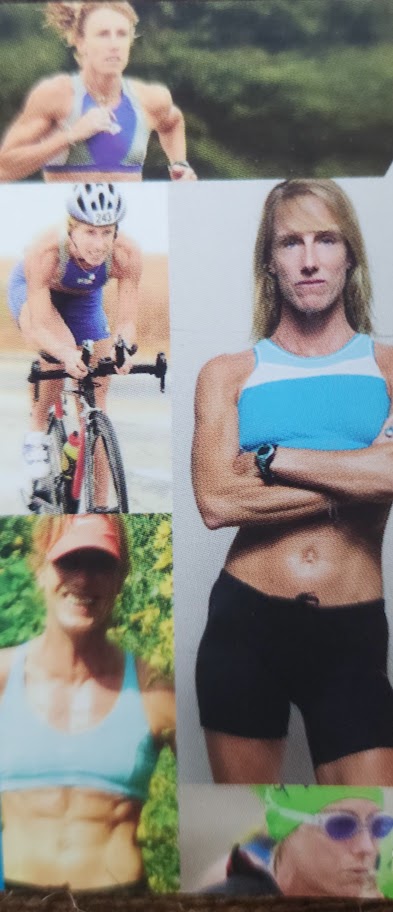
Do strength training—squats, lunges, leg extensions & curls, calf raises, pushups, pullups, and core work. (Note: training with super heavy weights and low reps can increase muscle bulk, which can be counterproductive for endurance activities.There’s a fine line between gaining strength and lean body mass—more muscle mass requires more oxygen and is heavy—both of which can make climbing, especially at altitude, more difficult. It’s the difference between a bodybuilder and a triathlete. I’ve embodied both body types, and I can tell you from personal experience that lean muscle mass is the best for endurance activities.
Here’s a pic of me backpacking the Grand Canyon in my body building days circa 1998 and me the day after R2R.
Route
I’m aligned with the majority that North to Bright Angel is the way to go. (Unless you’re doing R2R2R, and in that case, you don’t need my advice.)
North Kaibab (Rugged/rocky,sandy and slippery ascent/descent) ~5,781 ft elevation gain
Bright Angel (smooth and scenic trail with some shade)~4,400 ft elevation gain
South Kaibab (exposed trail) ~4,800 ft elevation gain
Logistics: If you’re “only” doing R2R, you’ll need to find a way back to your car on whichever side you left it. Fortunately, there’s the Trans-Canyon Shuttle that runs twice a day ($120pp). Or maybe your fortunate like I was to a have a friend willing to do an out and back hike on N. Kaibab and drive 4 hours over to the South Rim to meet you. Might be better to have a nonhiking friend meet you on the other side or key swap with friends hiking in the opposite direction. I guess that’s motivation for R2R2R, no logistics issues-lol.
Pre-hike dinner was at Jacob Lodge with fellow R2R hikers. The homade blueberry pie and cookies are delicious! Post-hike celebration at the rimside Arizona Steakhouse was delicious with great service and food!