Exploring Fushimi Inari & Its Iconic 10,000 Gates, Kyoto

Another attraction to put on your top 10 things to do in Kyoto list. The Fushimi Inari Shinto Shrine in Kyoto dates back to the seventh century (~711 AD) when the Hata family built it and dedicated it to Inari, the god of rice and sake. Today, it remains the head shrine for over 30 000 Inari shrines across Japan and is one of Japan’s most visited shrines and a top sight-seeing destination. (TripAdvisor rates it as the #1 thing to do in Kyoto – not sure I agree. I was far more impressed with their #3 Kiyomizudera temple, but I was fortunate to experience a special night viewing there.)

The Fushimi Inari Shrine may look vaguely familiar to you if you’ve seen the movie Memoir of a Geisha, some of which was filmed here. But the shrine itself is not the main attraction―it’s the iconic orange torii gates (10,000 and counting) that crown the 2.5 mile pathway up Mount Inari (764 feet). While it’s a relatively short “hike” on a concrete path that winds its way up the hill past multitudes of mini-shrines, it can take a while given the crowds. The “summit” is a bit anti-climatic, city and mountain views were smudged with smog when I was there.

Fushimi Inari
At the entrance…

Instead of returning the way you came, you can hike down the other side of the mount on forest trails into either Yamashina or Tofukuji, another temple area that’s especially popular when the leaves are turning. Really, you can’t go wrong walking anywhere in Kyoto. Kyoto is all about having a scenic, cultural and beautiful experience, but it is Japan so you’ll most likely be sharing that experience with the masses.

Torii gates
Not artsy, just editing out the crowd.

What’s with the gates?

Torii gates symbolize the division between the physical world and the spiritual world. The oldest Torri gates here date back to the 8th century, but new gates are still being added, “donated” by Japanese businesses in hopes of obtaining prosperity and good luck. Today, the price for good luck if you go with a big gate is around 10k; 4k for smaller gates.

What’s with the foxes?

You’ll also encounter many stone statues of foxes, messengers of the god Inari. The foxes often carry symbolic objects, such as a key to the granary (as in the fox in the picture with me at the entrance), a sheaf of rice or a scroll. You may see some fox statues wearing red scarves, which are thought to expel demons and illness. Some fox statues may be equipped multiple tails to symbolize older, wiser and more powerful foxes.

Hours: Open 24/7, best times – early morning or evenings, otherwise expect a crowd.

Cost: FREE!

Getting there:  The shrine is located just outside JR Inari Station, two stops South from Kyoto Station (main station) along the JR Nara Line and takes 5 minutes one way. It is also a short walk from Fushimi Inari Station along the Keihan Main Line.

Notes: There’s a street market and shops and restaurants near the shrine’s entrance and also there are a couple of  little food shops near the “top”.

20160409_100226
Eel on a stick, anyone?

Plenty more sights to see in Kyoto

Ready to check out an ancient shogun’s castle or a wooden temple dating back to 780 that’s built without nails, or would you prefer to get away from it all in the scenic hamlets of Kibune and Kurama?

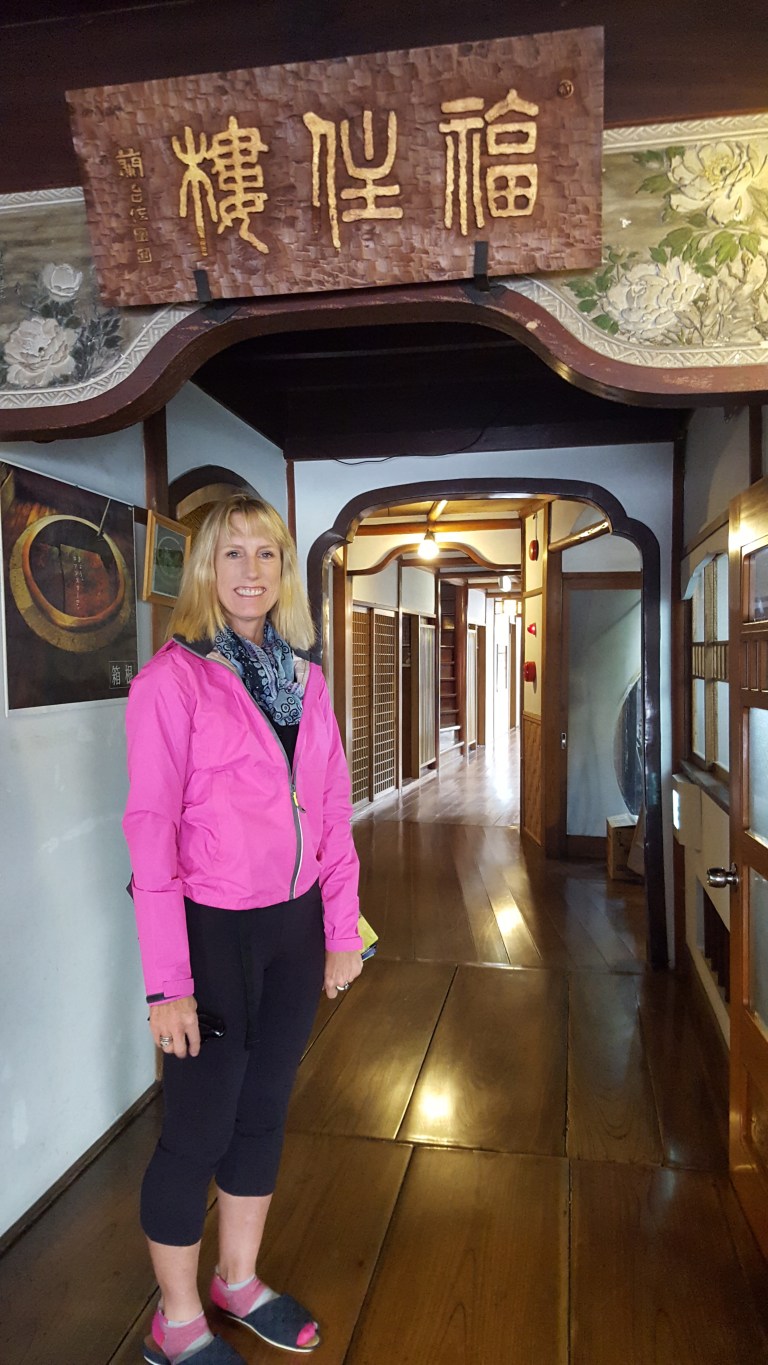
Top Pick: Fukuzumiro Ryokan & Onsen, Traditional Culture & Zen Views in Hakone

When in Japan, I suggest that you “go traditional” and stay in a ryokan (traditional inn) for at least 1 night or more.  Featuring tatami-matted rooms, futons for beds, ofuro (communal baths), usually fed by onsens (hot springs), and large entrance halls where guests can relax and socialize, these traditional inns have existed since the 8th century AD. It’s a memorable cultural experience you won’t want to miss.

The Hakone Tonosawa Spa is said to have been discovered by a Buddhist priest in 1604. The Fukuzumiro Ryokan was established in 1890 by Sawamura Takatoshi, a former samurai from Kumamoto province on Kyushu. (It was destroyed by a flood in 1910 and rebuilt shortly after.) The 3-story, wood building is nestled along the Hayakawa river bank and is a 5-10 minute walk from Hakone-Yumoto Station.

20160411_102117
Gorgeous and immaculate entrance. The floor glimmers like gold. First order of business was swapping out my hiking shoes for a pair of slippers at the front door.
20160411_101636
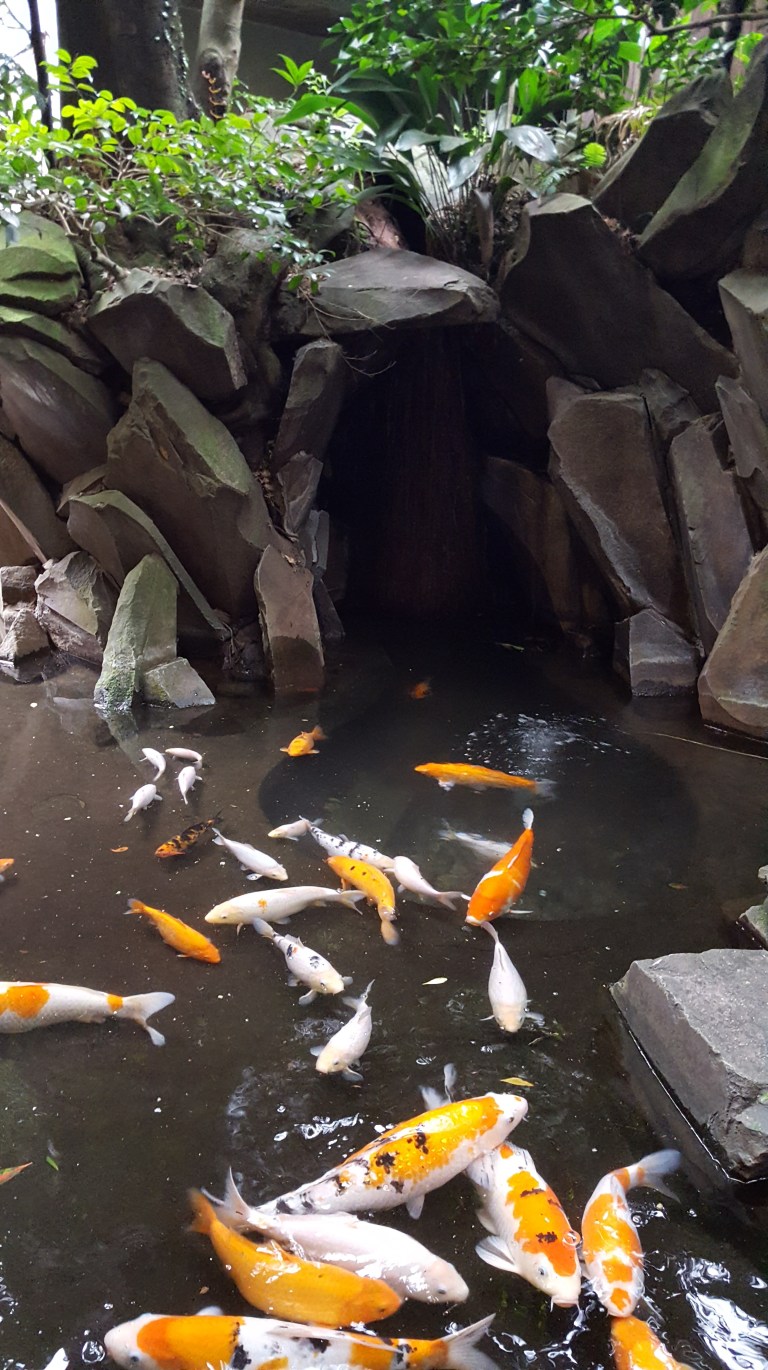
An active koi pond in the downstairs hallway of the inn.
20160411_065419
Sleeping on the futon and tatami mats was quite comfortable. They are laid out for you in the evening.
20160411_080458_003
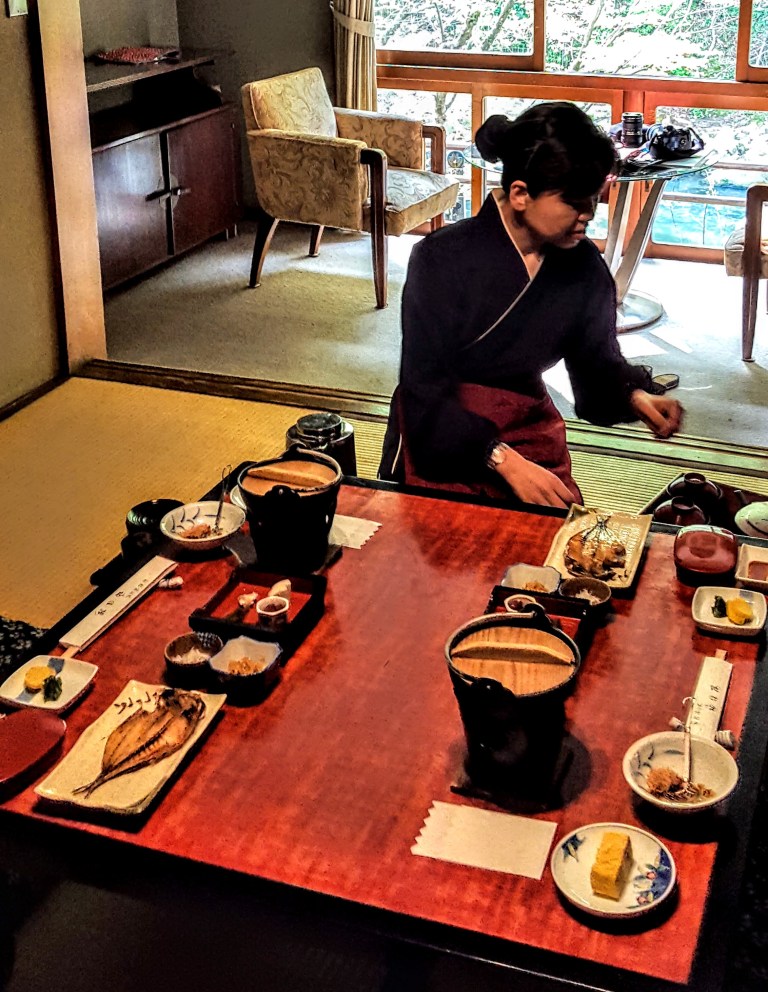
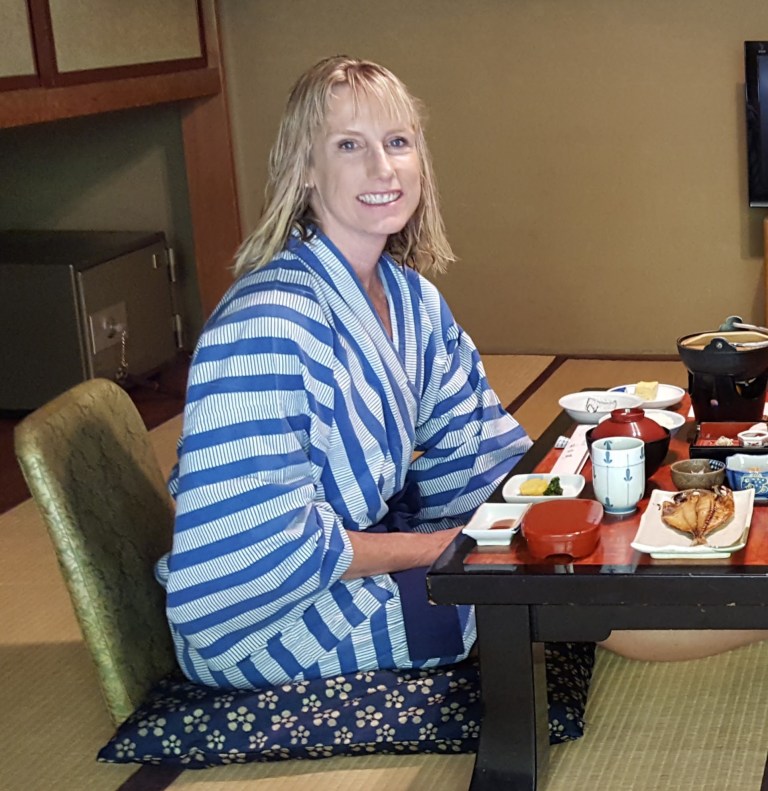
Traditional breakfast impeccably served in the comfort of your room – definitely worth trying.

There are 17 rooms. If you have an upstairs room like mine, you will be navigating a short staircase to reach a downstairs shared bathroom…(Not sure if they have rooms with private baths – this is a historic building.)

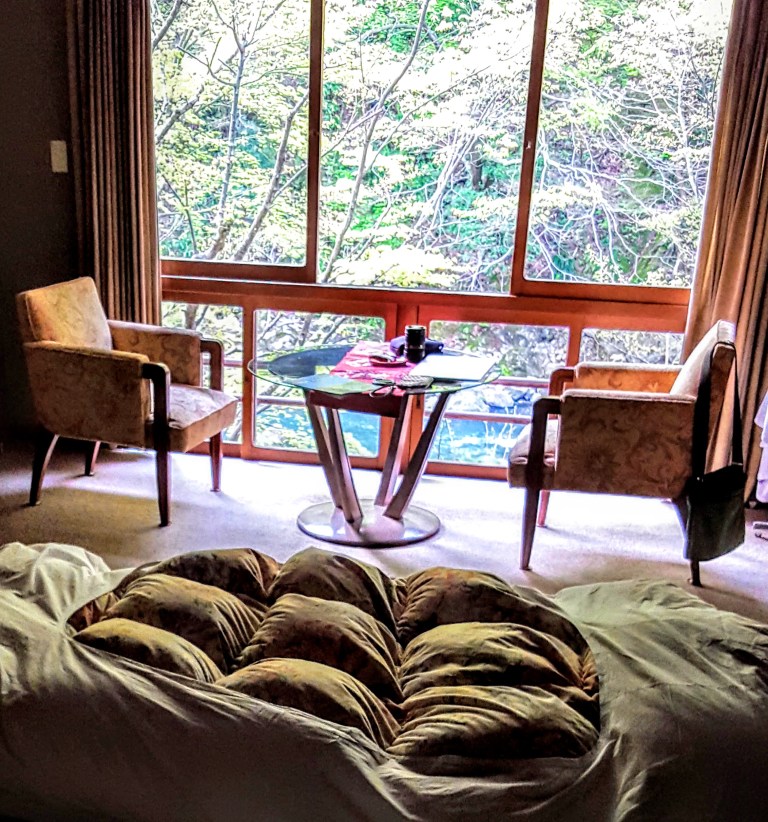
Ask for a room with a river view. (They have garden view too, but I can’t imagine that they top the river view.)

20160411_065217 (1)
The splendid view of the Hayakawa River from my room. The sound of the rushing water below. Ahh, the beauty framed in these 3 windows.

The communal bath has specific hours split between male & female visitors (not the most convenient aspect). It’s pleasant, but indoors. Note: Be sure to follow proper Japanese etiquette when visiting an communal bath house. Wash yourself thoroughly first, using the bucket and the ladle or cup. Once clean, you may proceed to immerse yourself. (Also, it’s not for the shy – it’s nude soaking. No cameras  or cell phones allowed. And, as with all of Japan, be mindful that this is a quiet and respectful culture.)

(Visited an outdoor onsen later in Kurama and enjoyed a hot soak surrounded by green vegetation with the refreshing rain drizzle cooling my face and shoulders.) And no, I don’t have pictures of that – see the no cameras rule above.)

20160411_080745
I highly recommend when in Japan do as the Japanese have done for centuries and go to a Ryokan and Onsen. Immerse yourself in the cultural experience.

Suffice to say that I enjoyed my total immersion at the Fukuzumiro – Ryokan. It’s conveniently close-by (scenic train ride you catch in walking distance from the inn) to the Hakone Open Air Museum – an absolute “must do” if you’re in the area.


Top Pick: Hakone Open Air Museum – art and nature in beautiful harmony

The town of Hakone is part of the Fuji-Hakone-Izu National Park, less than 60 miles from Tokyo and one of the most popular destinations for Japanese and international tourists. Famous for its natural beauty, many hotsprings (onsen), traditional inns (ryokan), and the view of Mount Fuji across Lake Ashinoko (didn’t get to see that), Hakone is also renowned for its open air museum.

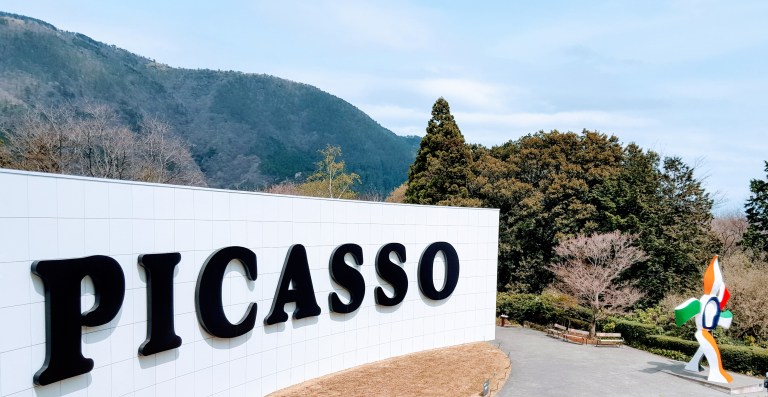
The Hakone Open Air Museum (Hakone Chōkoku No Mori Bijutsukan), is one of the most spectacular outdoor museums in the world. Surrounded by mountains and overlooking a valley, ~100 diverse sculptures (modern and contemporary, including works of Rodin, Milo and Moore) from around the world grace the expansive (~17 acres), rolling gardens. There’s also several indoor exhibits as well, including One of the world’s best collections of Picasso’s work, the 2 story Picasso Exhibition Hall displays a total of 300 pieces, including paintings, sculptures and ceramics. The exhibit also features photos chronicling of the artist’s life is one of world’s best collections.


20160411_124703

In addition there are shops, café’s, multiple kids spaces with art installations that they can climb on and a mini garden maze. And because the Japanese think of everything, there’s even an 65 foot heated foot bath to refresh your weary feet while enjoying the view.

You can easily spend hours here taking in all the beauty and the art.

Take the Hakone Tozan train there – it’s an incredible experience in itself!

The Hakone Open Air Museum is just a few steps from Chokoku No Mori Station on the Hakone Tozan (30 minutes, $3.55 from Hakone-Yumoto). It’s the last station before the terminal station of Gora. Taking the train is an experience in itself as it chugs slowly ,  traversing switchbacks up and backwards as it climbs the steepest slope of all railways in Japan through green forests above the splendidly scenic Haya-kawa River Valley.


This slideshow requires JavaScript.

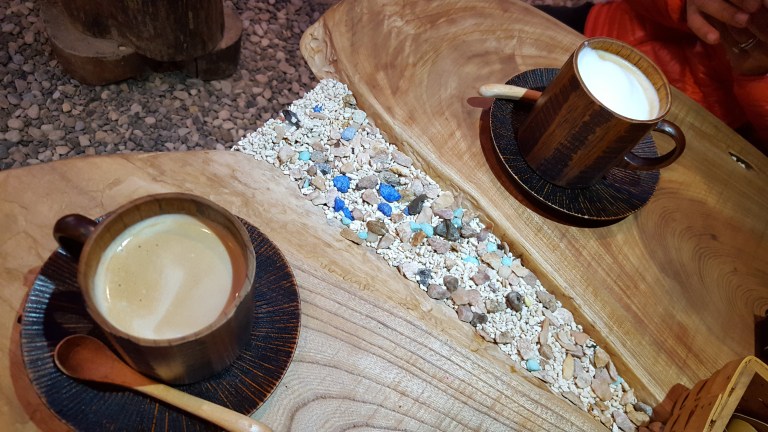
From the train station, you’ll walk by Woody’s Café Bar first. I stopped in on my way to the museum. The hot artisan coffee was a cool wet morning so it was a perfect prelude to walking around outside. It’s quite a unique spot with a Toy Story theme, hence the name. It serves coffee, lunch, dinner and is a bar at night.

20160411_115225 (1)20160411_113142

Tokyo Photo Post and Top Picks Prince Hotel & Hamashiba Sushi, Minato

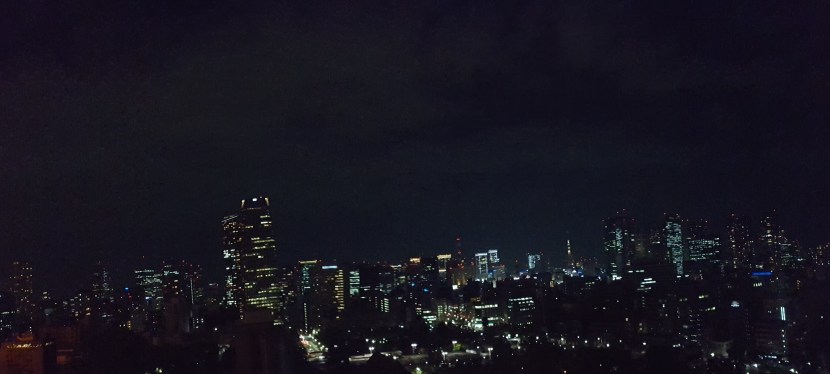
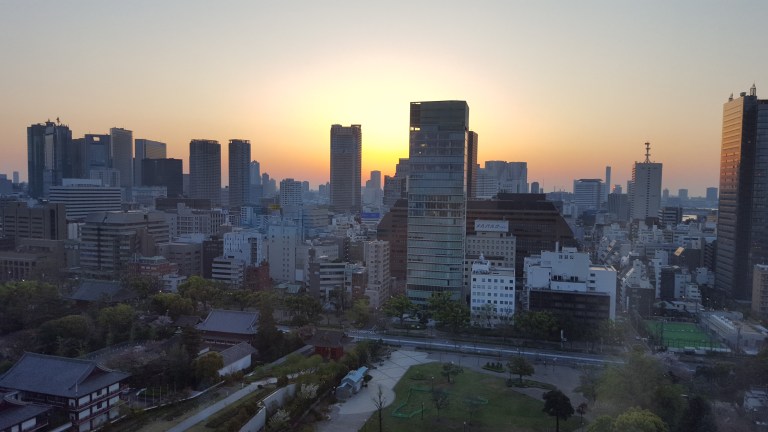
Had the good fortune to travel to Japan on business and to stay in the luxurious Prince Hotel, Minato, Tokyo. My bathroom and room had tremendous view of Tokyo tower (aka Eiffel Tower knock off). I have never been in such a large or luxurious bathroom – huge walk in shower, deep jacuzzi bathtub and enough room left over for a small dance party. Seriously, the bathroom seemed more spacious and outfitted than the room itself. In case you haven’t heard, the Japanese have a thing for outfitted toilets (heated seats, warm water spritz wash (biddett & hot air dry, etc…) and deep soaking tubs. We Westerners could certainly learn a thing or two from Japan and improve our WC experience…


While I was in town for business meetings, I still managed to sneak in a couple strolls and a quick run around the area to take in a few of the nearby scenic highlights.

20160413_07191620160413_071938_00120160413_07173720160413_07293120160413_07165620160413_07530520160413_07282120160413_07143620160413_07142020160413_072753 (1)

As my Japanese grand finale, I indulged in a sushi dinner at Hamashiba restaurant in the hotel. Forget everything you’ve heard about hotel restaurants – this one is superb. The sushi is outstanding, by far the best I’ve had and no doubt, will ever have. The maguro / tuna was absolutely exquisite and it was a treat and once in a lifetime experience to watch the master sushi chefs at work. Was it expensive? Duh. Was it worth it? Absolutely! (The company didn’t pick up this one.)


Sayonara!

20160412_051625
Garden and City views from my room at The Prince


20160412_080255
Oh, and it looks like the sole homeless person in all of Japan was sleeping under my window at The Prince.

Stay tuned for adventures in Kyoto and Hakone…Arigato.

My “Best of Thailand” Recap

What an amazing whirlwind month it was! So many incredible sights, sounds, tastes and experiences, definitely one of my top trips. Highly recommend Thailand as a destination. If you’re thinking about it, do it! My blog covers all the places I went and most of my activities – just use the search tool to get the scoop on the areas that interest you or do a browse and select Thailand for an overview of all the posts. There’s plenty more to see and explore there, but this was all I could pack into my trip. Let me know what spot is your favorite so I can check it out next time. If you have any questions, just send me a note.

Where I went

Bangkok

Chiang Mai

Mae Wang

Chiang Dao

Thaton

Chang Rai

Sukhothai

Ayutthaya

Koh Samui

Koh Phangan

Railay, Krabi

Phuket

What I did

These are my top picks from my month-long adventures

Best active tours: ActiveThailand

Best beach with restaurants, live music & mellow nightlife: Chaloklum Bay, Koh Samui

Best beach resort:  White House, Koh Samui

Best experience: Trekking and mountain biking remote areas of northern Thailand and homestaying with the Karen Hill Tribe

Best food: Chiang Dao Restaurant near the cave  – Chicken Tumeric, Chiang Mai & Bangkok Street Food – pork on a stick

Best health & Fitness Resort: Thanyapura Health & Sports Resort See post.

Best nature preserve island: Naugyuan

Best ruins: Sukkhothai

Best scenery: Railay, Krabi

Best town: Thaton

Best view from the room: Cocohut Beach Resort & Spa, Koh Phangan

Best wildlife: Railay, Krabi


Here are some scenes from my last night in Thailand, near the Bangkok airport:


Tip: The Paragon Inn is a basic, but decent airport hotel. It’s minutes from the airport and walking distance from the mall and street market. Super convenient for getting those last minute gifts and for catching those early AM flights.


Can’t emphasize enough how easy and inexpensive it is to tour around Thailand and have an exceptional time.  I’ll share more about what makes it so easy in an upcoming blog post.