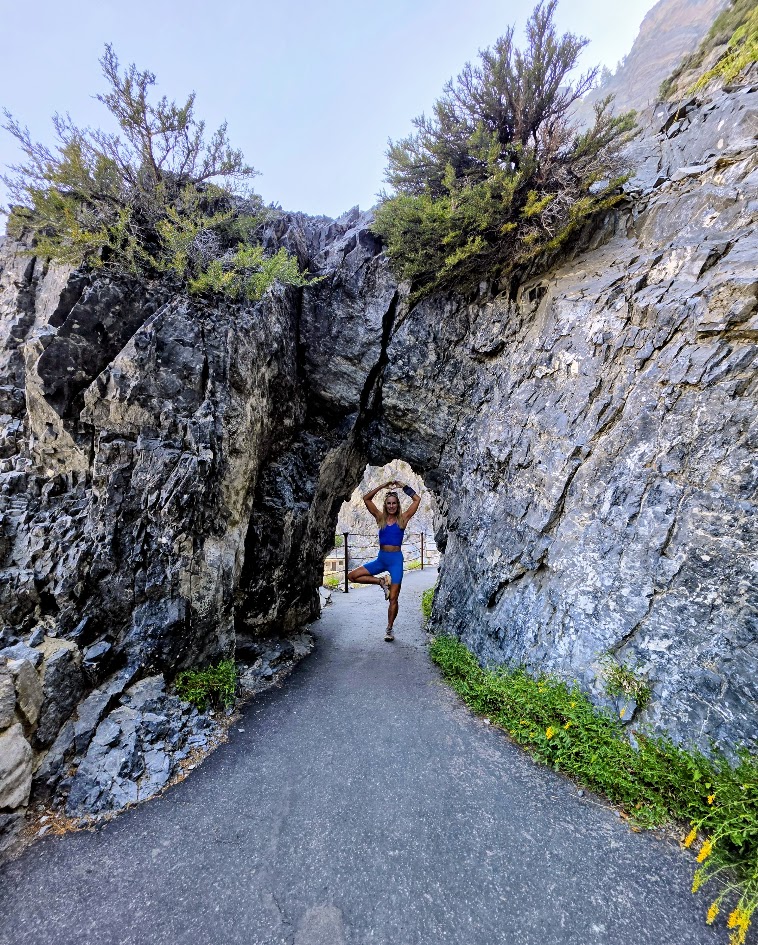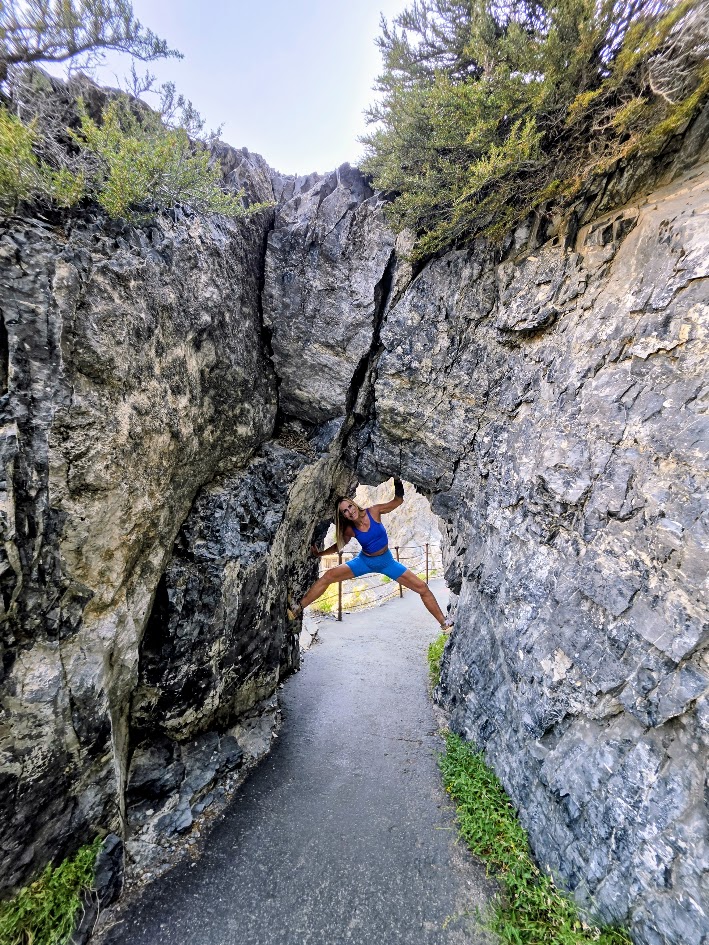
Timpanogos Cave National Monument, A “Cool” Caving Adventure, American Fork, UT

The Hike to the Cave Entrance

Distance: 1.5-mile / 3 Mile RT

Elevation Gain: ~1k ft

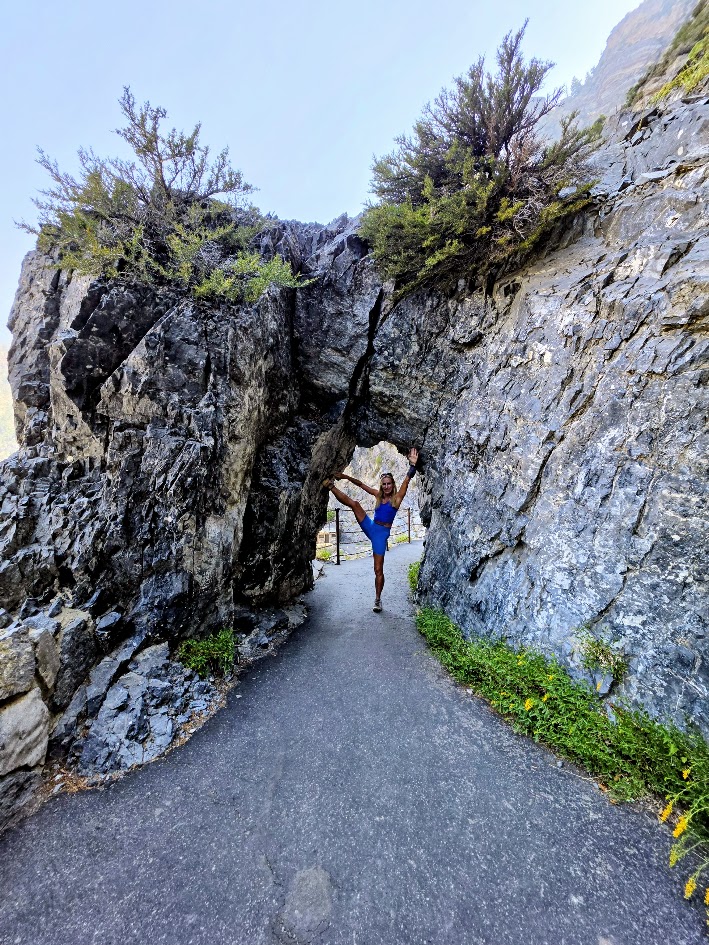
Difficulty: It’s a steep, sun-exposed, paved trail. Know your limits. (Hats, water, running or hiking shoes.)

Cave Temps: 43° to 49°F, wear layers

Scenic Location: The Timpanogos Cave system (Hansen, Middle, and Timpanogos) is located on the south side of the steep-walled American Fork Canyon, in the center of the Wasatch Range at the convergence of the Great Basin, Unita Basin, and the Unita Mountains.
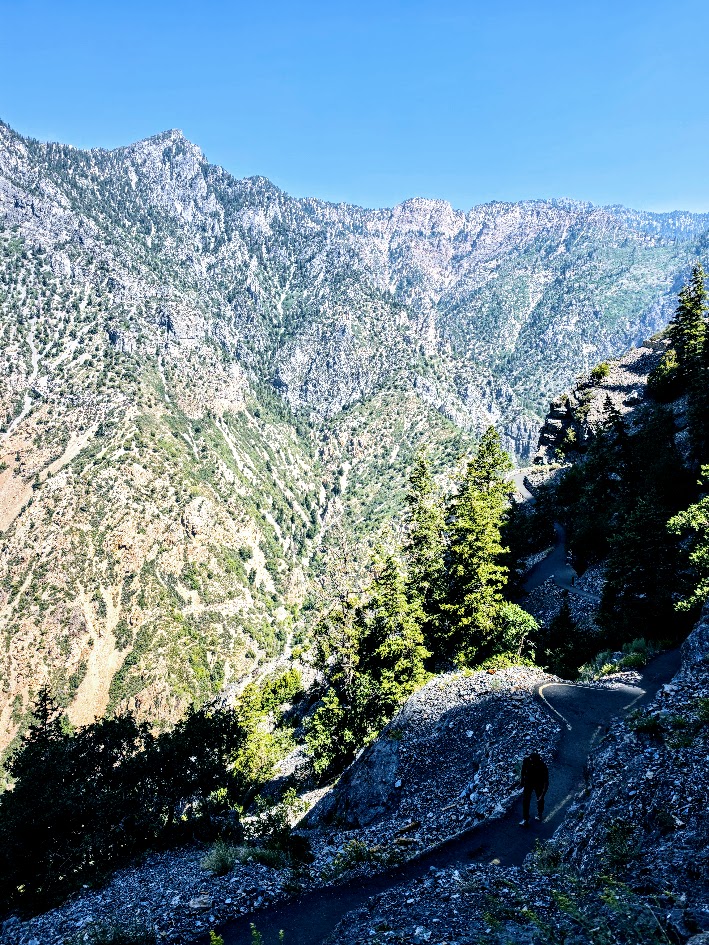
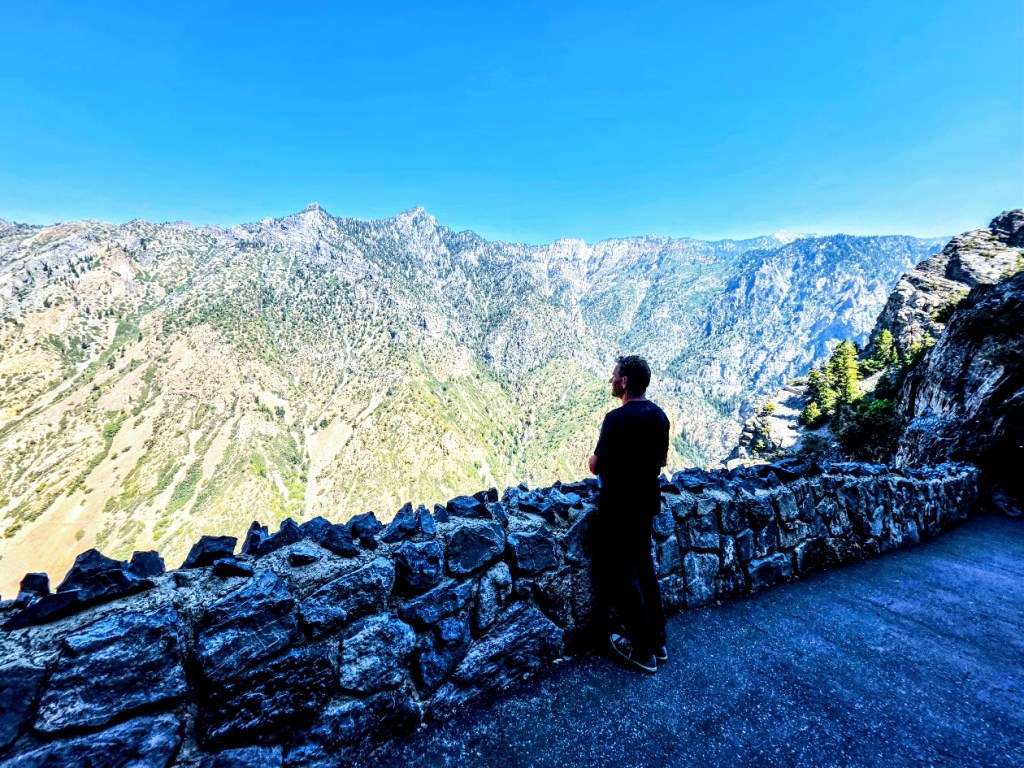
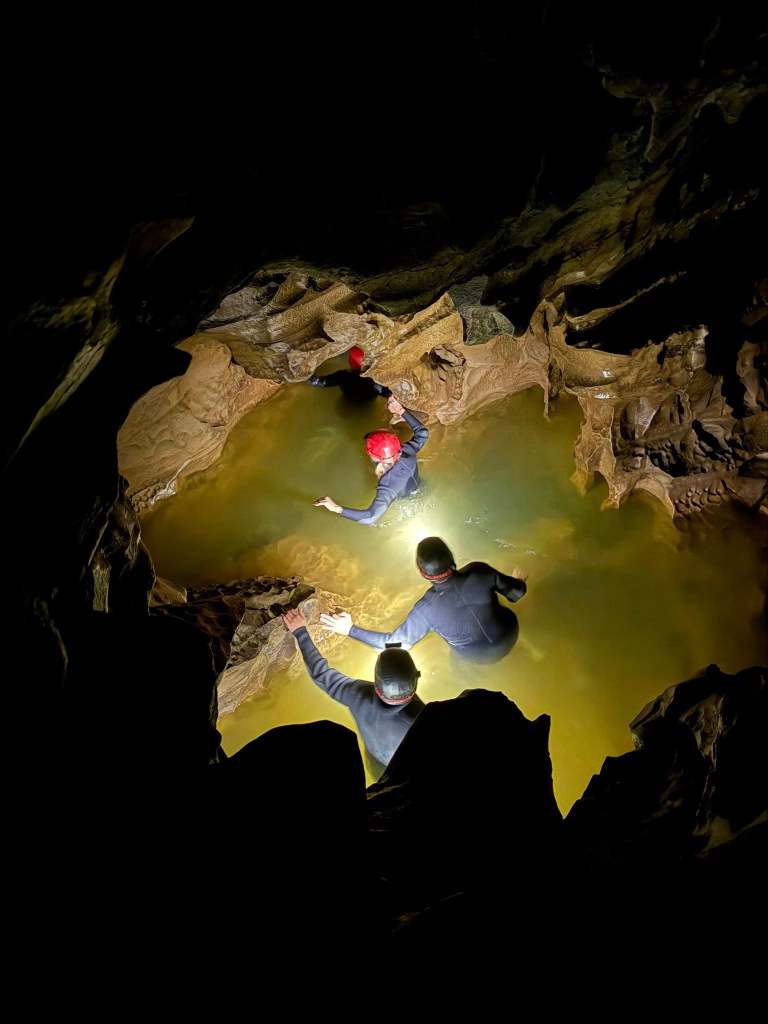
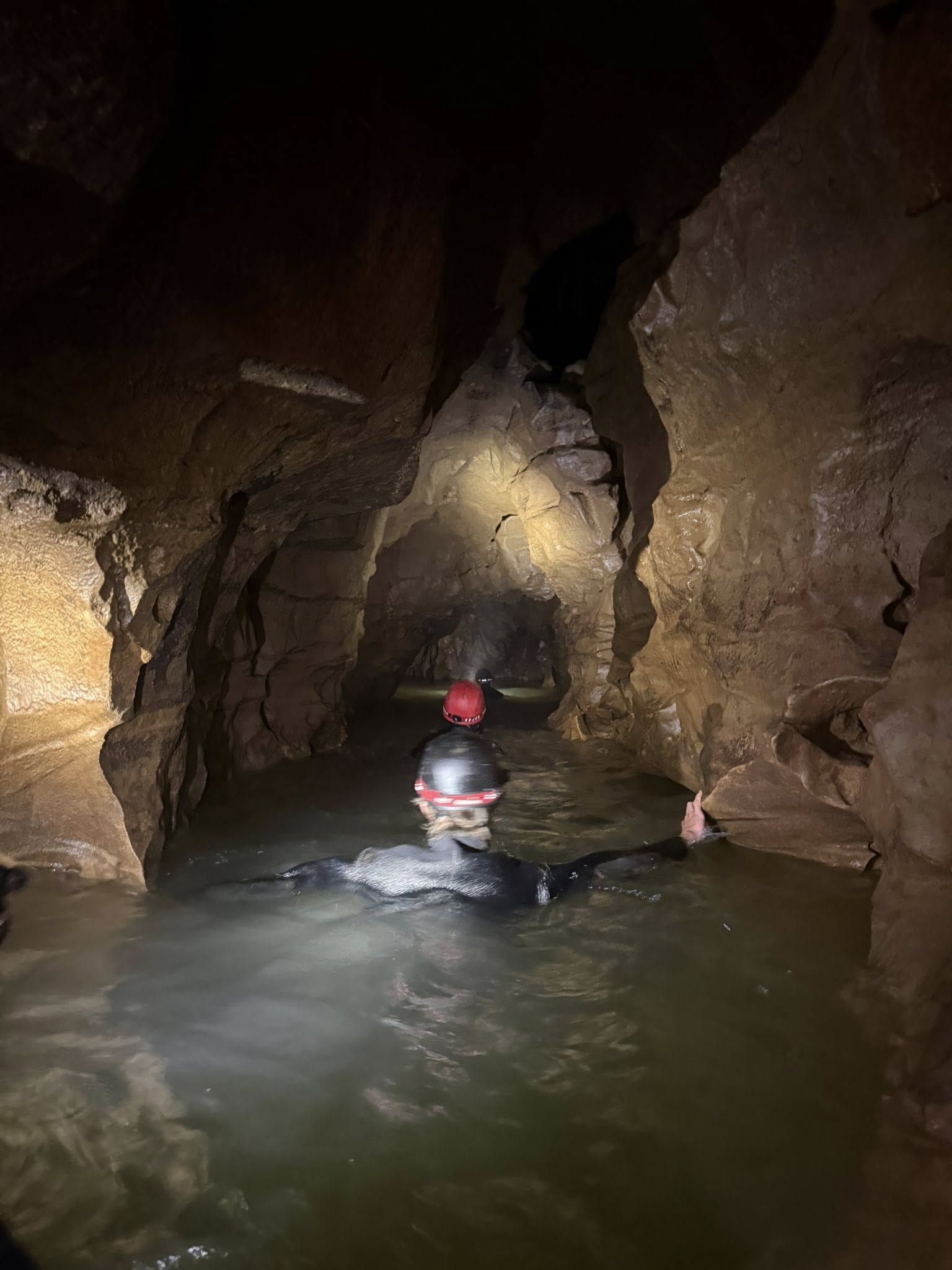
The 3 caves are located an average of 150–400 feet below the surface. Most of the ceilings are 5 feet or higher, so if you have slight claustrophobia like I do, you’ll be fine.

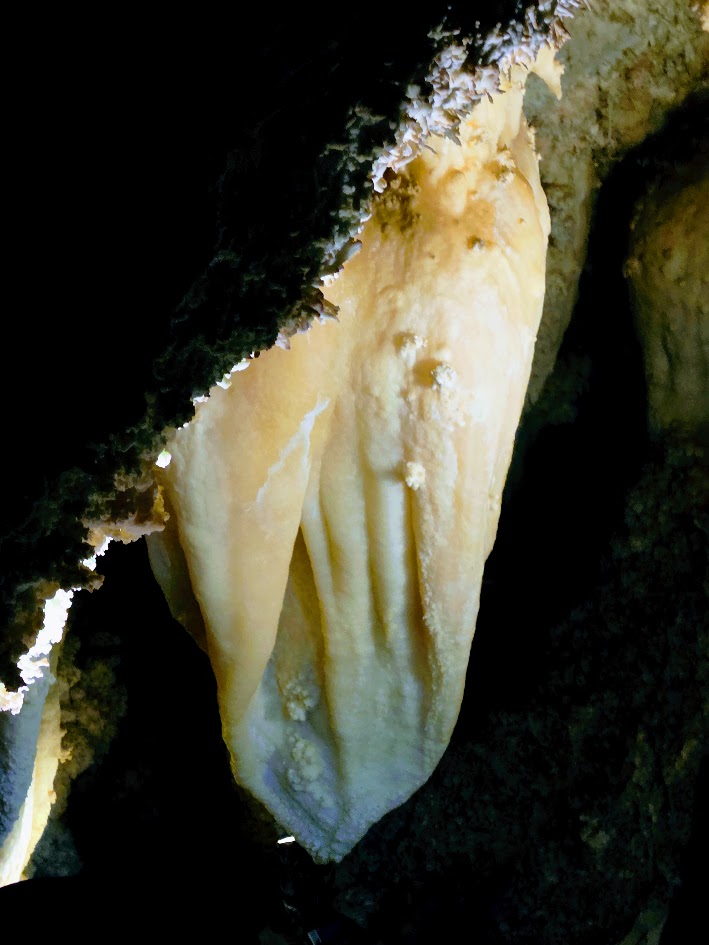
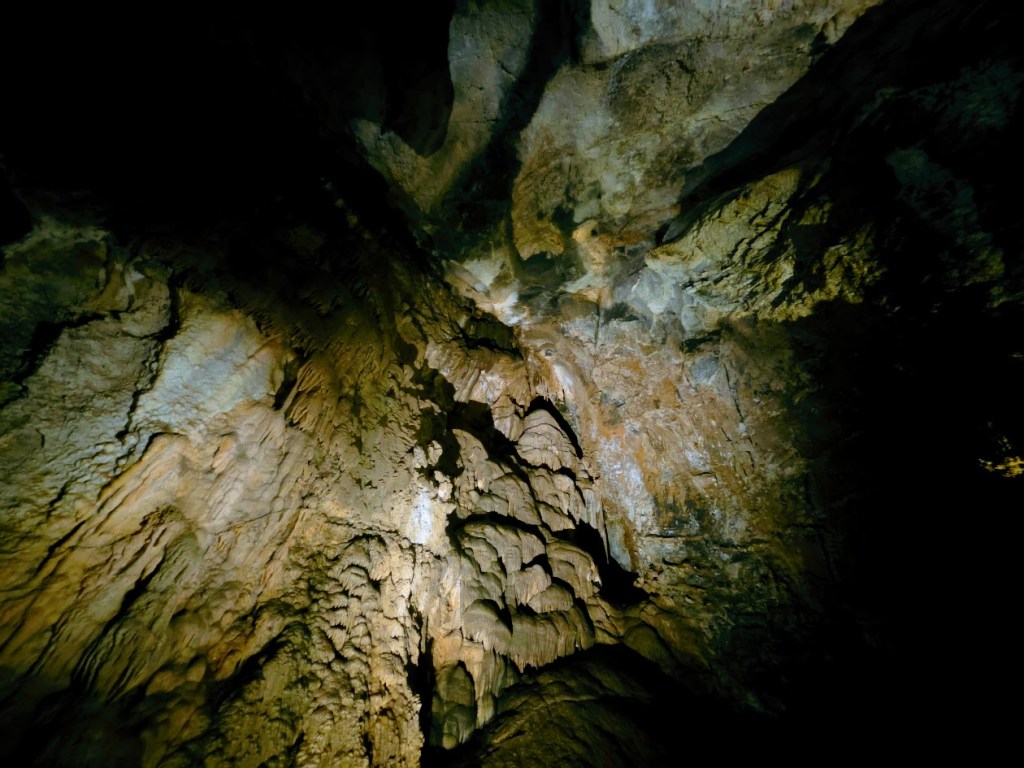
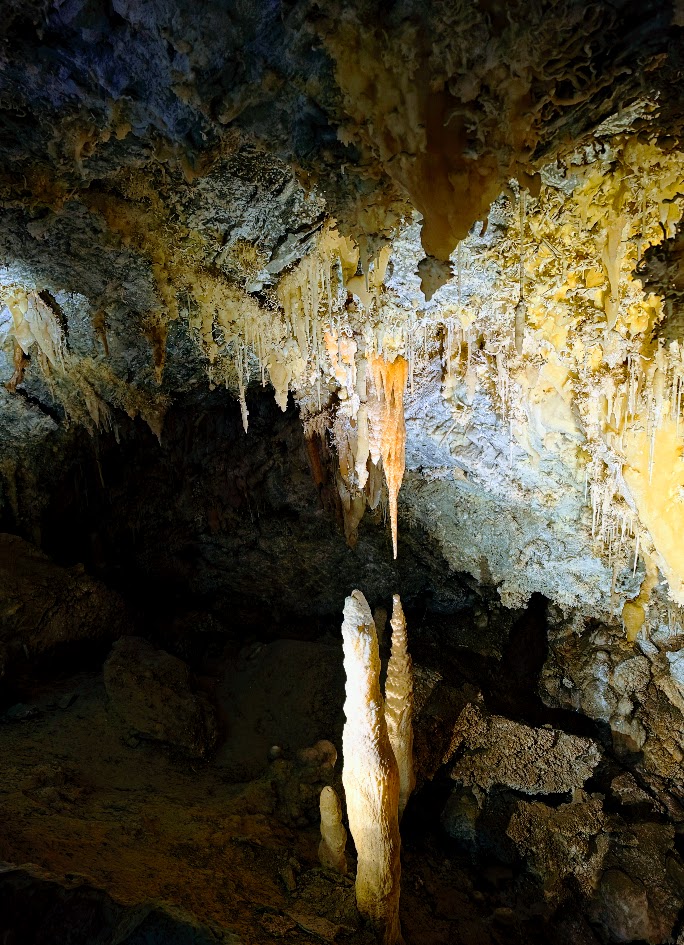
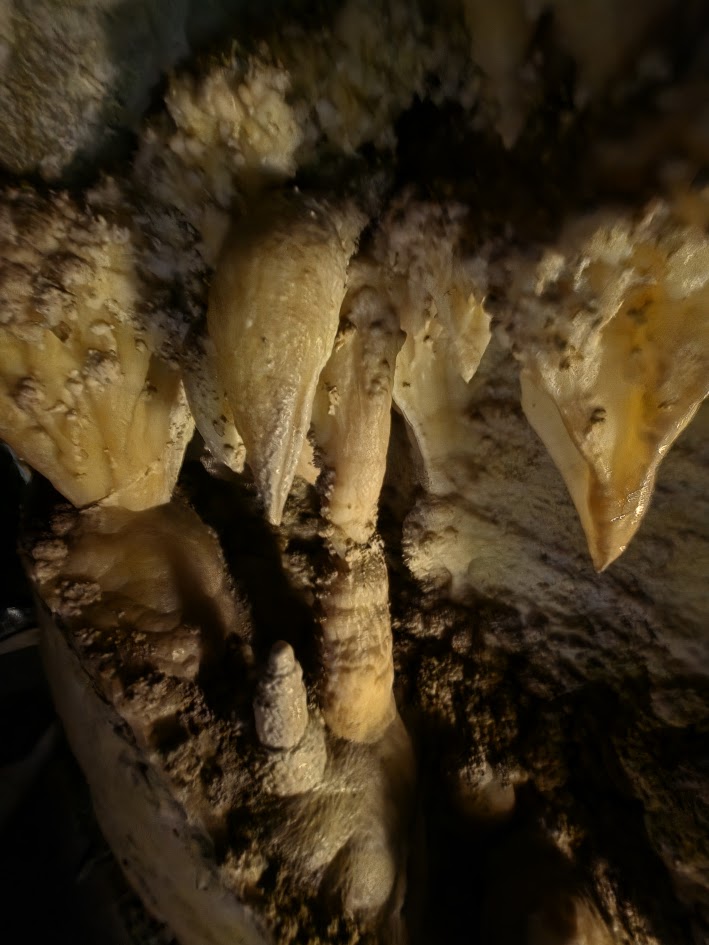
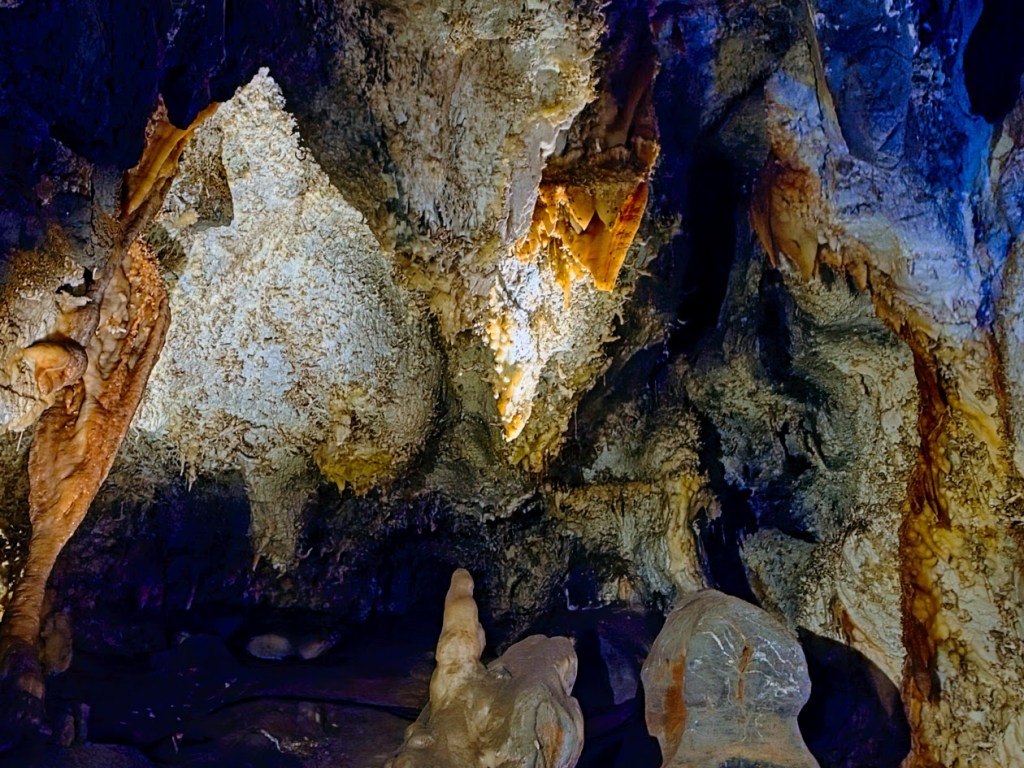
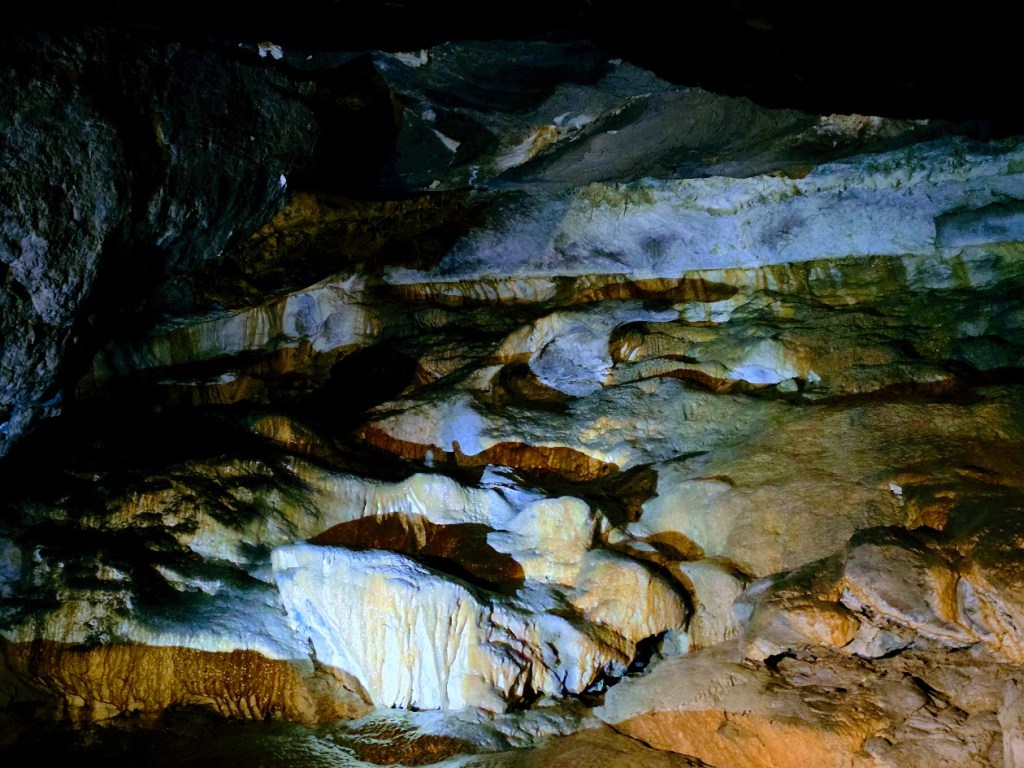
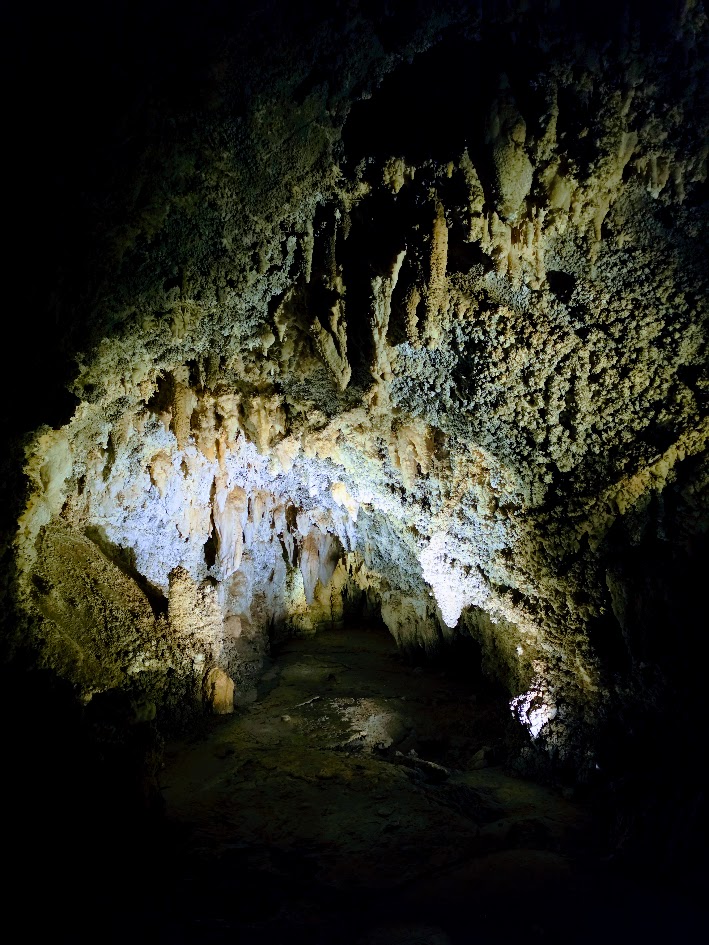
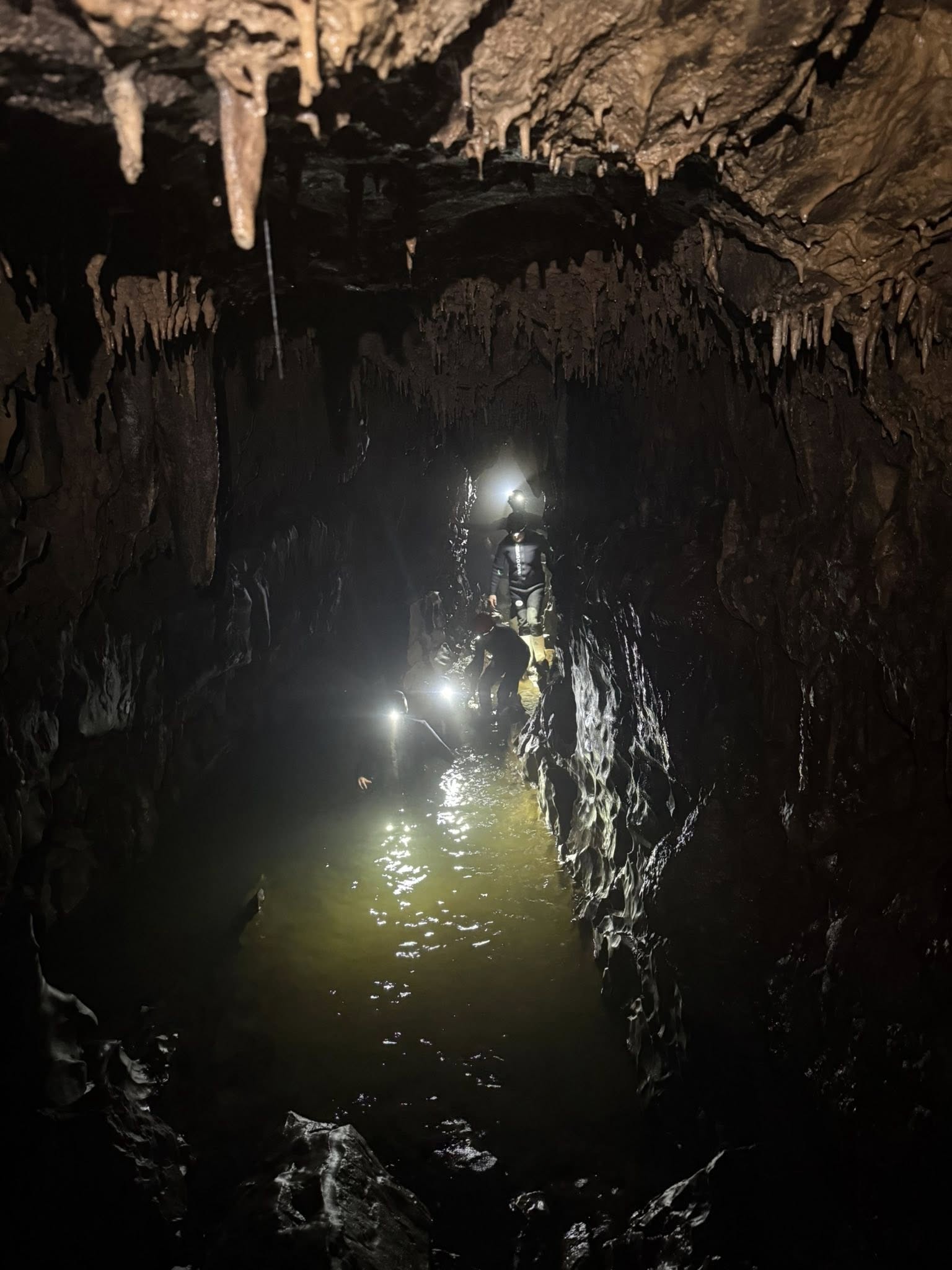
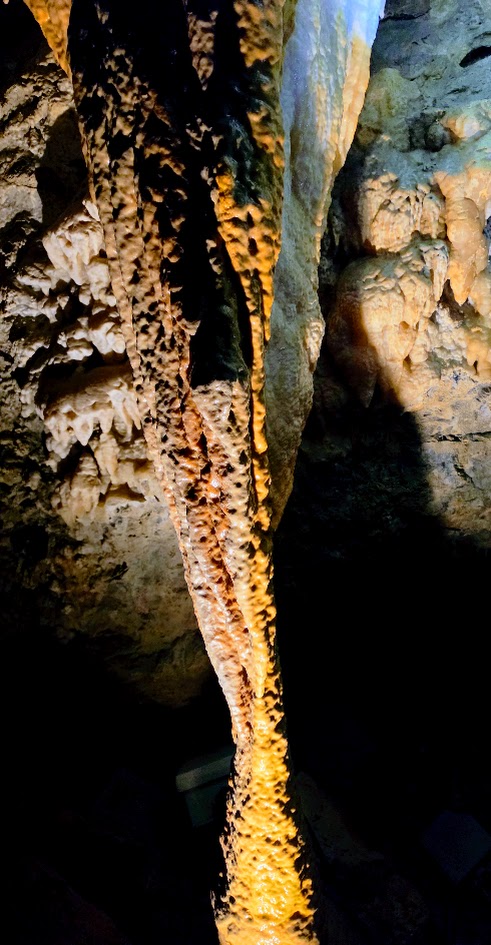
The caves formed along three minor faults and the bedding planes in the Tetro and Uncle Joe Members of the Deseret Formation. They are distinguished by vibrant colors and plentiful delicate helictites (sideways, curving), rare anthodites (flower/snowflake/coral-like), and stalactites (hanging from the cave ceilings like icicles) and stalagmites (rising from the cave floor). The mineral deposits that form from slow drops of water over the ages and sometimes meet, connecting to form stalagnates—single pillars from the cave’s ceiling to its floor. All of these structures take thousands of years to “grow” just a few inches.
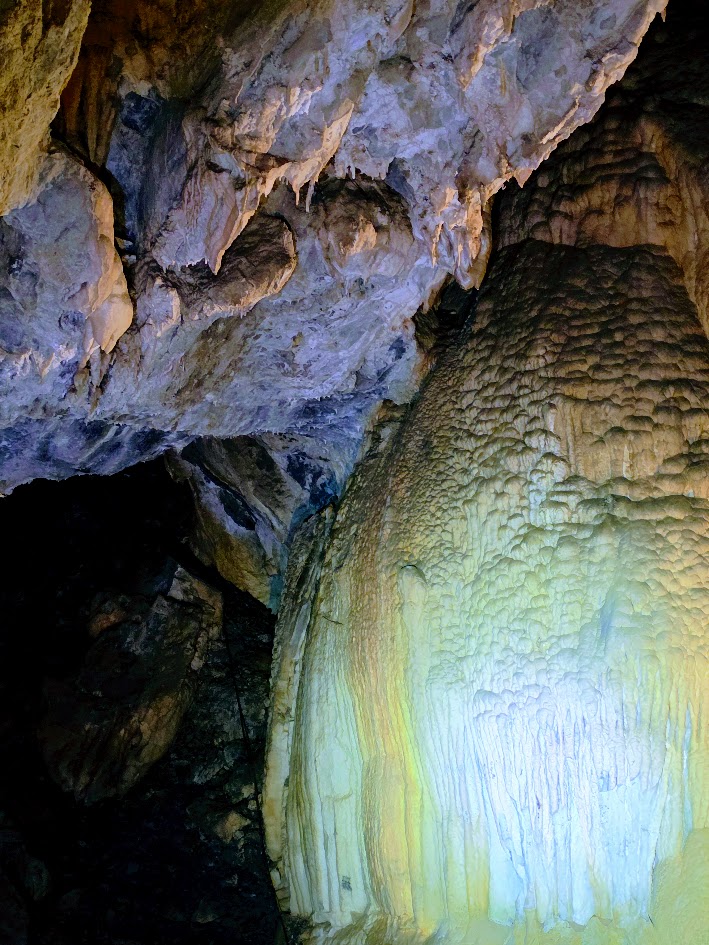
History:  From discovery to preservation, the story of the Timpanogos Cave System is one of exploration, irreplaceable loss, and ultimately protection.

Pioneer logger Martin Hansen discovered Hansen Cave in 1887, and his family soon began guiding visitors through its remarkable passages. In the early 1890s, the Duke Onyx Company mistakenly believed the cave’s colorful calcite flowstone was valuable onyx. In those days, miners relied on appearance to make their determinations, rather than hardness or acid test, which would have distinguished quartz-based onyx from soft calcite (fingernail texture/fragility).  Based on the false assumption that the flowstone was Onyx, the company removed a massive 15-ton slab—erasing millions of years of natural history in just a few months.

In 1913, teenage explorers James Gough and Frank Johnson discovered Timpanogos Cave while touring Hansen Cave with their families. Like many at the time, they believed the cave contained valuable minerals and filed mining claims. After years of legal disputes, independent geological experts confirmed that the limestone caves contained no precious ores.

Recognizing the caves’ true value as a natural treasure, President Warren G. Harding signed Proclamation No. 15040 in 1922 under the Antiquities Act of 1906, permanently protecting the cave system for future generations.

Today, Timpanogos Cave stands as a reminder of how easily and carelessly Earth’s greatest treasures can be destroyed and how important it is that we practice stewardship, protection, and preservation.

Various tours, including a caving adventure and a lantern tour, are available to explore the Caves. Plan ahead and book your tickets (~$22) in advance.

Getting there: Visitor Center& Trailhead,2038 W. Alpine Loop Road, American Fork, UT

Into caves? Check out these caves in New Zealand and Thailand.

Happy Caving!
Chasing Waterfalls: Enchanting Burney Falls, Shasta County, CA

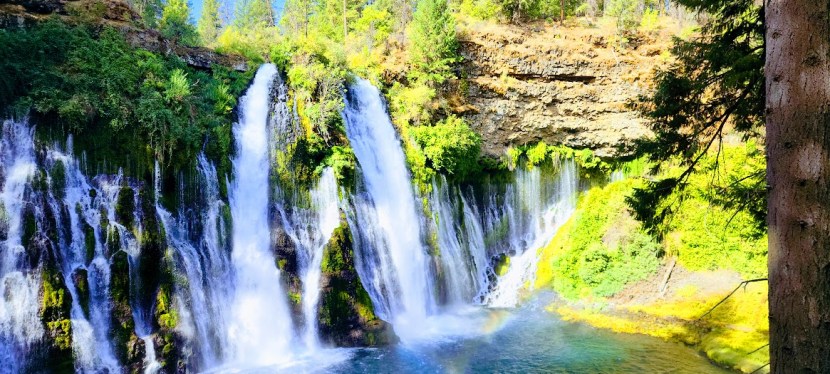
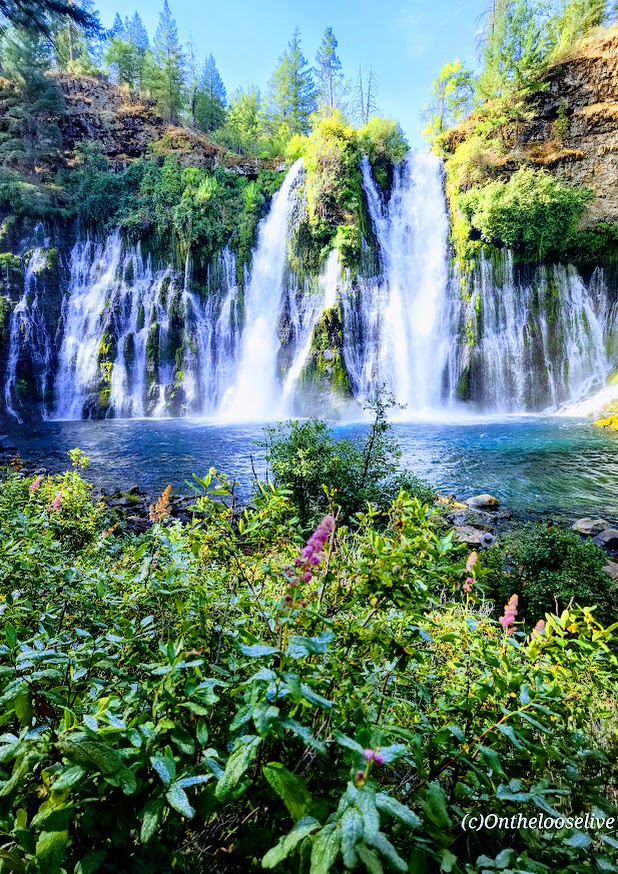
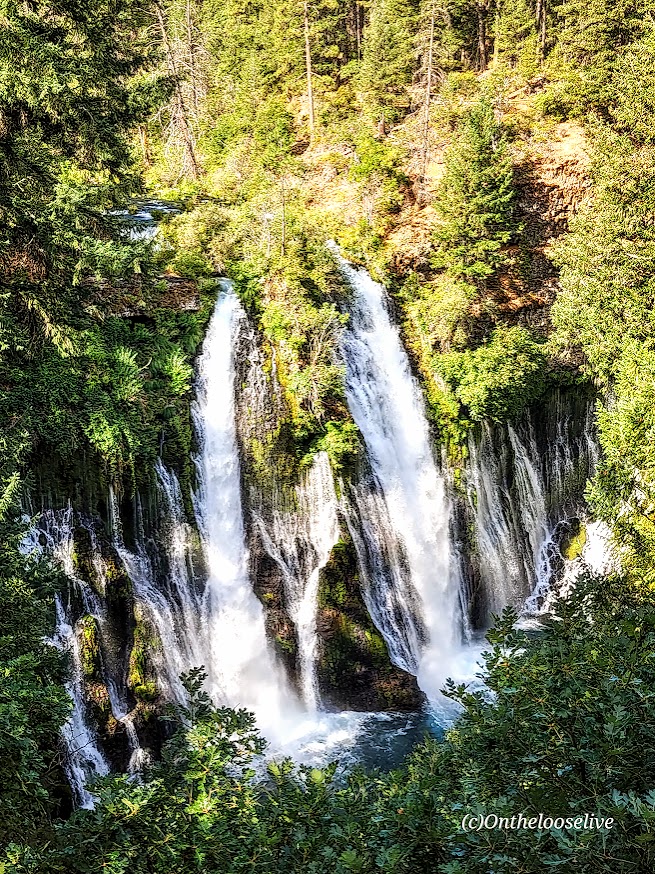
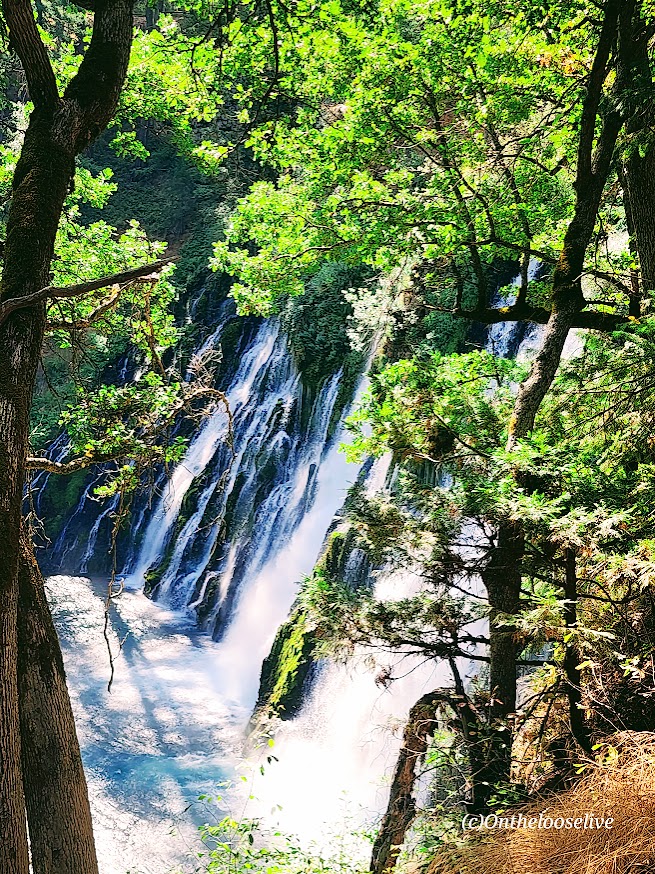
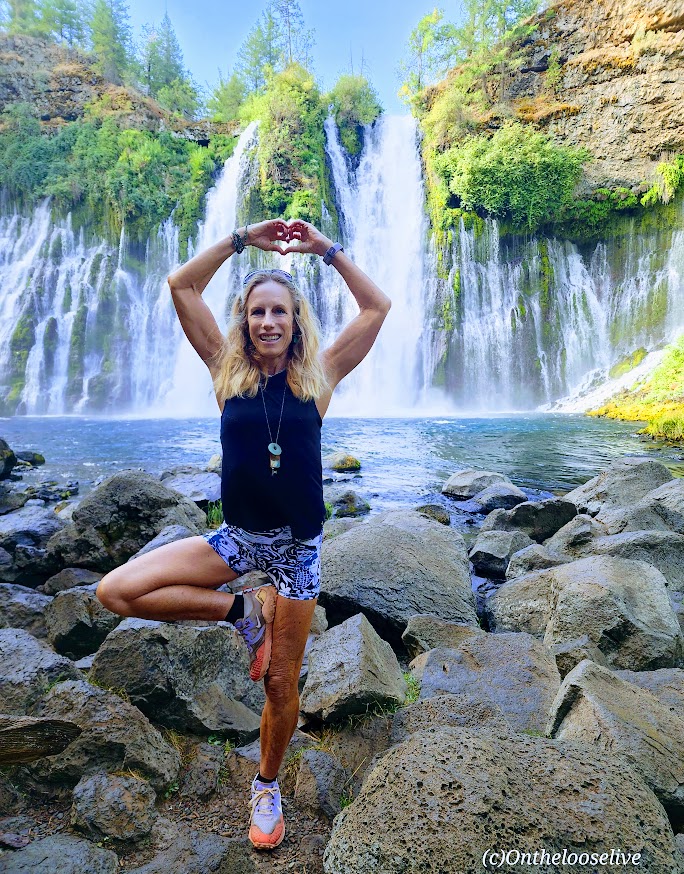
Wowza, I’ve chased a lot of waterfalls in my time, but Burney Falls stands out for its terraced, storybook, enchanting beauty.

And talk about an easy chase —huge reward for minimal effort— easy 1-mile round-trip stroll with an elevation gain of 161 ft

At 129 feet high, Burney Falls is the main attraction of California’s McArthur-Burney Falls Memorial State Park. I’d never heard of it, but it has to be one of the most gorgeous waterfalls that I’ve seen. It has an impressive daily flow of 100 million gallons, and the water temperature ranges from 42 to 48 degrees. While it was tempting, I didn’t take the cold plunge this time.

Apparently, there are 5 more miles of trails in the park, but it’s really all about the waterfall. If you’re adventuring in Lassen Volcanic National Park, Burney Falls is just ~40 miles North off of CA-89.

Notes: Day-use parking fee: $10. No dogs are allowed on trails or day-use areas. Go early; the small parking lot fills up fast.

Getting there: It’s off CA-89 N. (~40 miles from Lassen Volcanic National Park)

Happy Trails!

The Waitomo Cave Experience—Wet & Wild Subterranean Adventure, North Island, NZ

Disclaimer: none of the photos were taken by me, as we had to leave our cameras behind. In hindsight, that was for the best—having both hands free was essential given the slippery, wet, uneven, rocky terrain, and the crawling, wading, and swimming sections.

First Some Cave Context

Years ago, while traveling in Thailand, I explored a couple of miles of the Chiang Dao Cave—fascinating and not especially sketchy (unless you count the thousands of bats and the one tight crawl space).

Then, a year later, along with the rest of the world, I followed the nine-day saga of the boys’ soccer team trapped in a similar cave after monsoon rains flooded it. I remember thinking, “Yeah… I probably won’t be going into a cave again anytime soon.

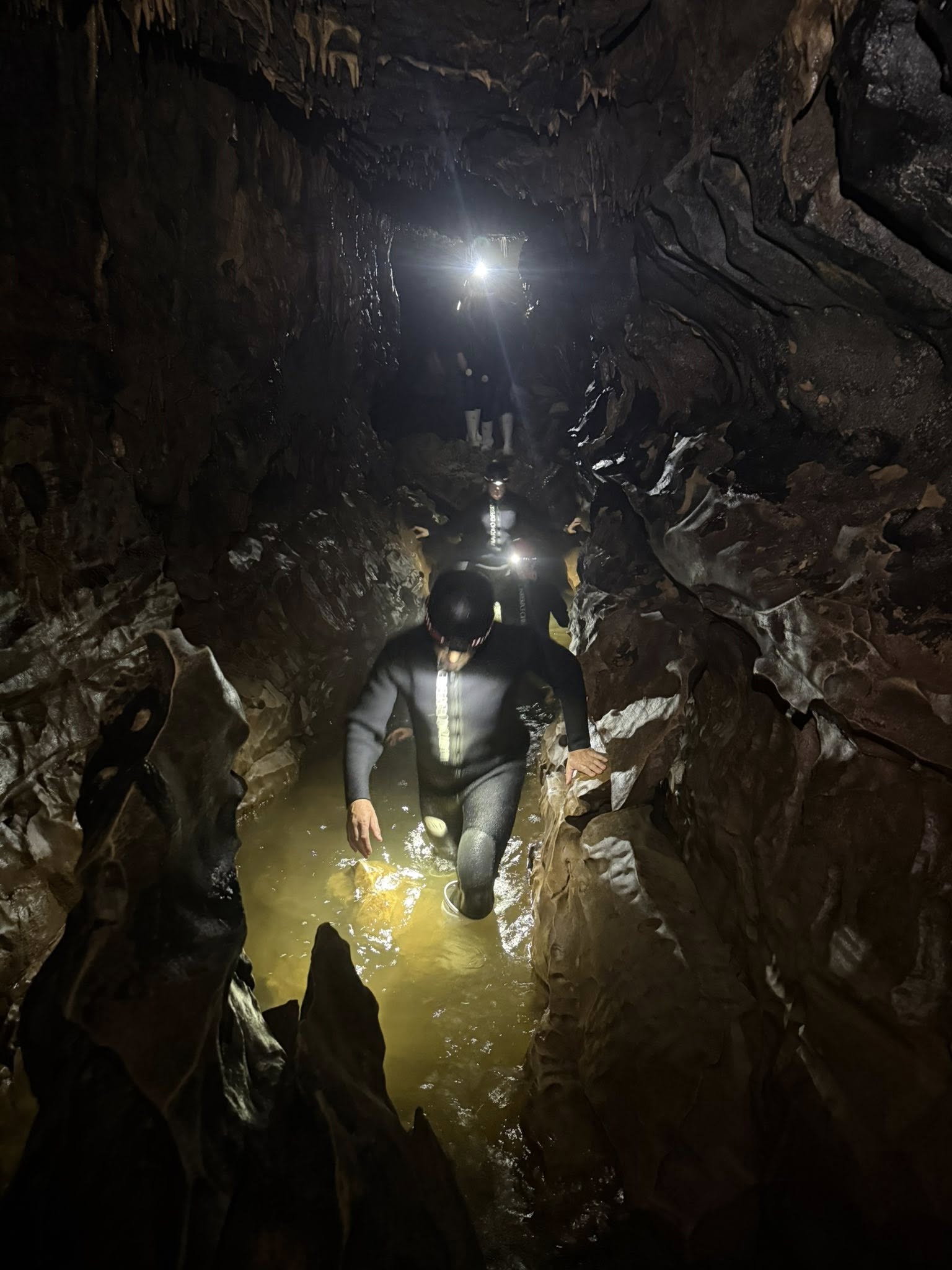
Well, nearly ten years later, here I am at the Waitomo Cave Experience. My travel partner chose this one, and I wasn’t about to be a spoil sport. So, I wrestled myself into a thick, heavy wetsuit, squeezed on the white rubber “go-go” boots, and trudged off in slow motion with the rest of our oversized sloth of a group, crossing the oddly undulating pasture—hinting at the contours of the cave below—toward the woods.

At the edge of the woods, we climbed down a steel ladder, descending into the pitch-black, damp abyss of the Okohua Cave, and the adventure began… We switched on our headlamps—bright third eyes piercing the darkness and, just as often, blinding one another.

After casually warning us to stay put if anything happened to him, our guide led us into the narrow, watery “slot canyons” of the 30-million-year-old limestone grotto.

“Watch your head!” “Watch your footing!” And “Hands off!” the dripping stalactites and other stalagmite formations. It was slow going.

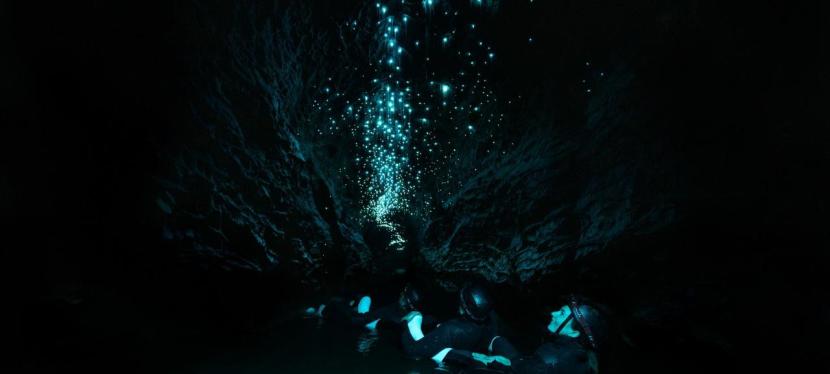
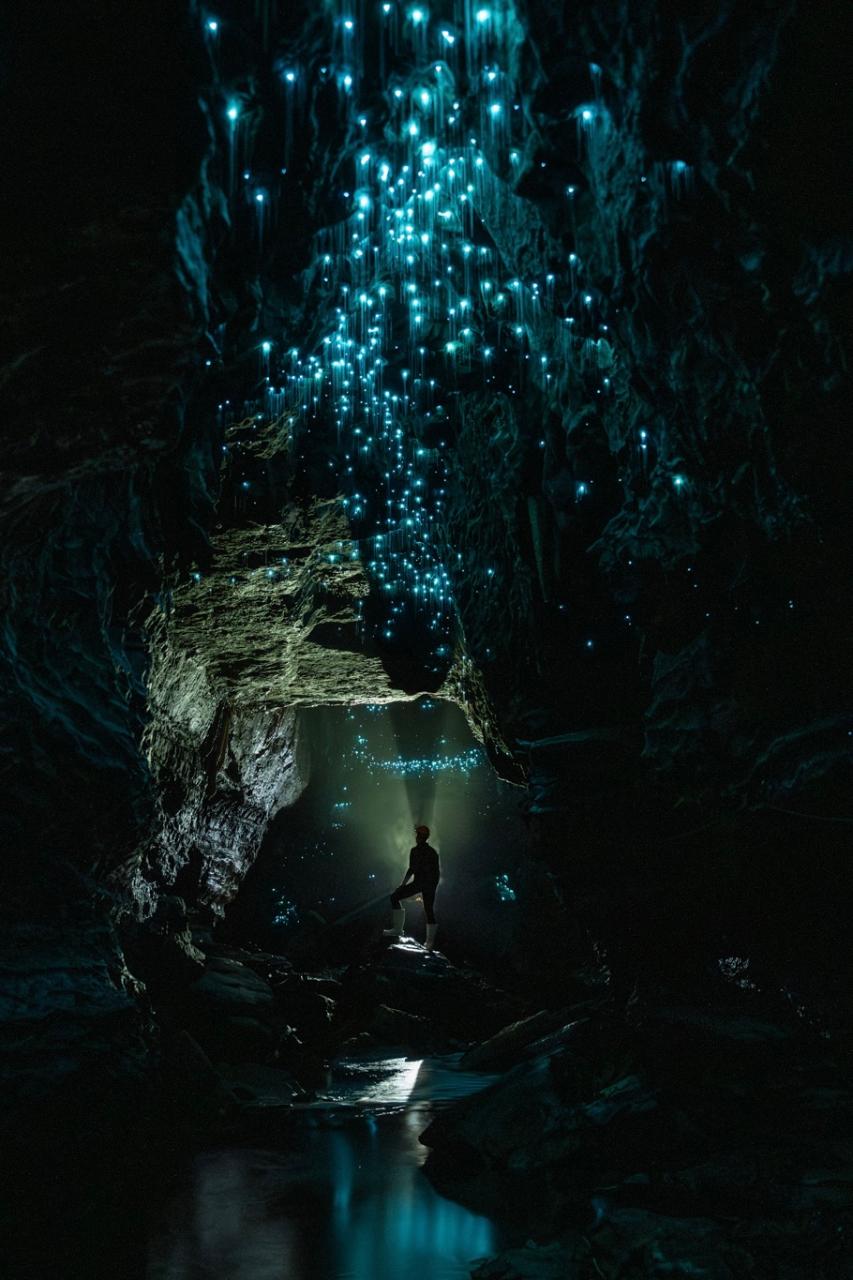
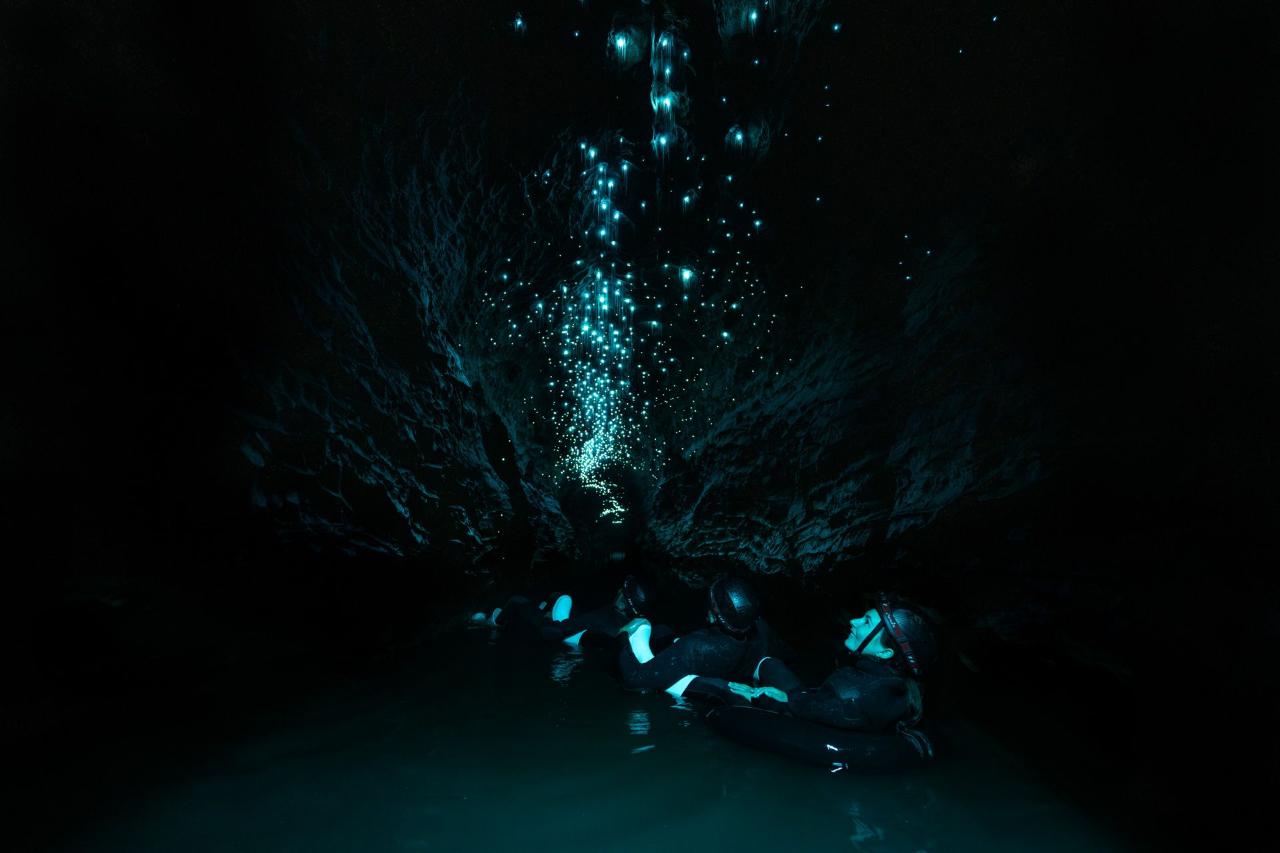
We stopped several times to turn off our headlamps and gaze up at the dark “sky” bespeckled with tiny lights from thousands of bioluminescent Arachnocampa luminosa (glow worm) larvae. (“Better worms than bats, I say.”) It was a lovely sight indeed.

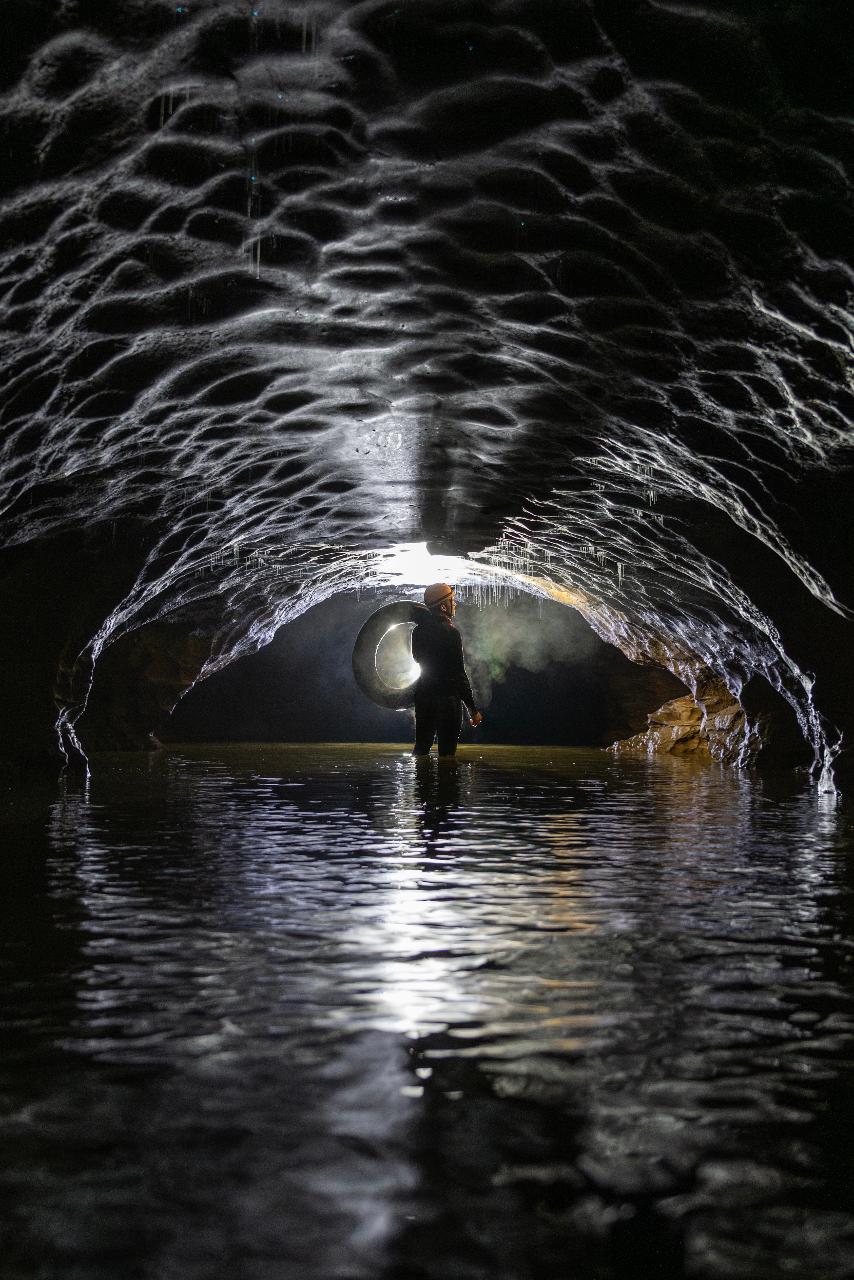
Later, we’d enter a canyon with deep water where inner tubes were waiting for us for a cruise down glow worm alley. It was magical and mesmerizing. The once chatty group fell silent in awe.

Photo Credits: The Waitomo Cave Experience website.

If you’re slightly claustrophobic like me, adding water to the equation amplifies it…as do the low ceilings and narrow tunnels. Of course, learning that you’ll be underground for over 3 hours and knowing that you can’t simply, easily, and quickly exit also contributes to that constricting feeling…Not to mention the heavy wetsuit weighing you down…

As a yogi, I practiced my relaxation breathing and tried to stay in the moment. There were a couple of opportunities to bypass the tighter, belly crawling, face-first-into-the murky water routes, but, well, where’s the fun in that?

It was an amazing adventure for sure, but I probably won’t be going into another cave anytime soon…(Yeah, I know…)

Happy Adventuring!

Discover Provo River Falls, a Scenic Must Stop Along Mirror Lake Highway (150), Kamas, UT

Just when I thought the scenery along Mirror Lake Highway couldn’t get better, I saw the sign for Provo River Falls and turned off (<15 minutes east of Kamas). This enchanting roadside waterfall has three tiers (upper, mid, and lower), lovely terraces, and multiple cascades. It’s a must-stop if you’re driving Highway 150. There’s a short paved path alongside the 3 waterfalls. The water temperature ranges from 35 to 55 degrees so the mist from the waterfall is wonderfully refreshing, especially on a hot day.

Enjoy!

Above Zion Via Ferrata—Local Adventure With Splendid Views!

Via ferrata translates to “iron way”. A via ferrata is a route along a mountain or cliff face consisting of steel safety cables alongside thin steel rungs that you climb like a ladder. Simpler than rock climbing and canyoneering, it makes it possible for people to traverse cliffs and mountains that would otherwise be inaccessible. You wear a harness with 2 clips that you hook and unhook to the cable (one at a time) as you go.

Via ferratas can be traced back to the mid-19th century (presumably when they used iron to construct them instead of steel). During the First World War, the Italian Army used them to get troops through otherwise untraversable portions of the Alps. Via ferratas have since become popular as a safer, simpler option to rock climbing that still affords adventure seekers a thrill and adrenaline rush.  (Especially if you’re scared of heights like me.)

My boyfriend, Bernie, invited me to join him on this local via ferrata adventure. I hesitated for a second as videos of the dizzying and daunting via ferratas of Europe played in my head. But the appeal of Zion backcountry’s rarely seen, dramatic vistas “pushed me over the edge,” so to speak. Not to mention, I enjoy trying new things, getting out of my comfort zone, and challenging myself in new ways.

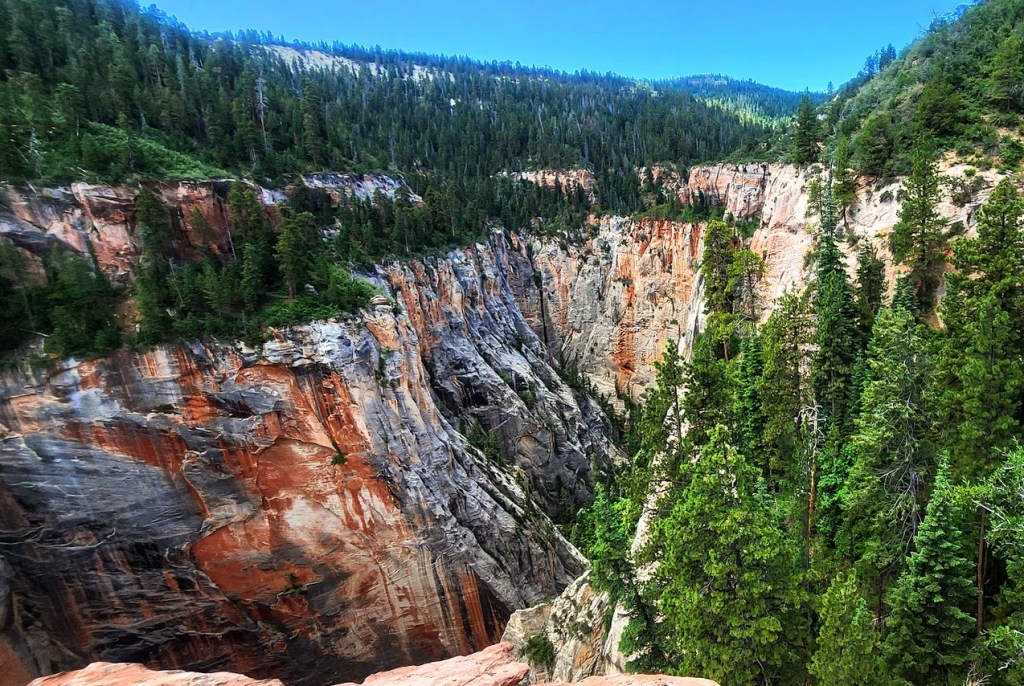
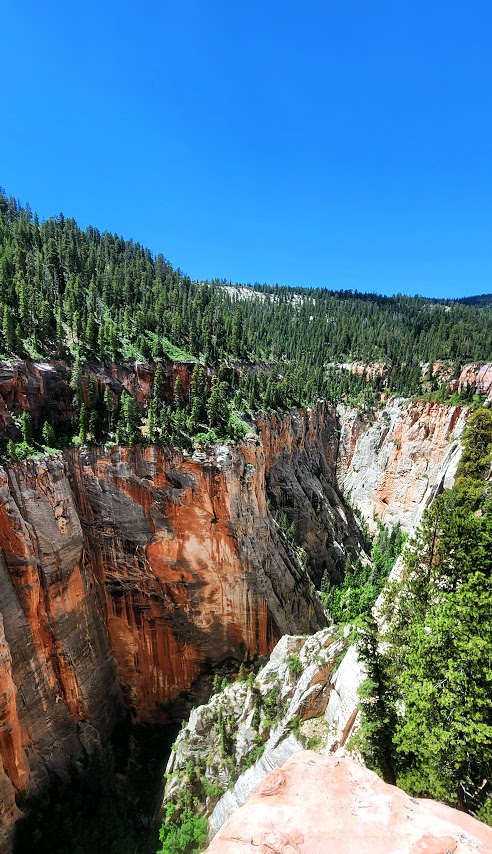
As it turns out, the Above Zion via Ferrata is quite tame. They’ve designed the course to be accessible for anyone “ages 8 to 80”. They equip you with the harnesses, clips, and helmets and a guide.Theoretically, if you can climb a ladder, you can handle it as long as your fear of heights doesn’t paralyze you. Views into this remote back canyon on the outskirts of Zion are splendid. The course is short, with 2 “exciting” sections and more trail walking than via Ferrata for a total of 2 miles roundtrip. A group ahead kept us waiting for them to finish at various junctures. The total moving time my Garmin recorded was 1 hour and 10 minutes. They describe it as a 4-hour adventure. (More like 2 hours at best, unless there are people in your group who really take it slow or freeze.) Sure, you can spend more time enjoying the views at the major lookout spots (as long as a group isn’t coming up behind you). There was a lovely waterfall in the distance, but we never got close enough for a good picture. I was hoping we’d go under it.

I’m sure good guides are hard to find, but… Ours was 20 minutes late and had a propensity to talk about himself. He missed one of the via ferrata sections and didn’t take us back to do it. At the end, he “slow walked” us on the trail and then forgot the combination to the gate while we waited in the side-by-side to get back to the starting point. (Actually, I got out and hiked up and was nearly there by the time they came by.) While he was nice enough to take pictures of us on his phone, he forget to send them.

Yep, that all happened. To be fair, it was the guide’s second day. Guess they are still working out the “kinks”. Cost was $130 per person to join a group. (We got lucky with a private experience.) Not the smoothest run operation, but it made for a fun morning, and a good introduction to via ferrata.

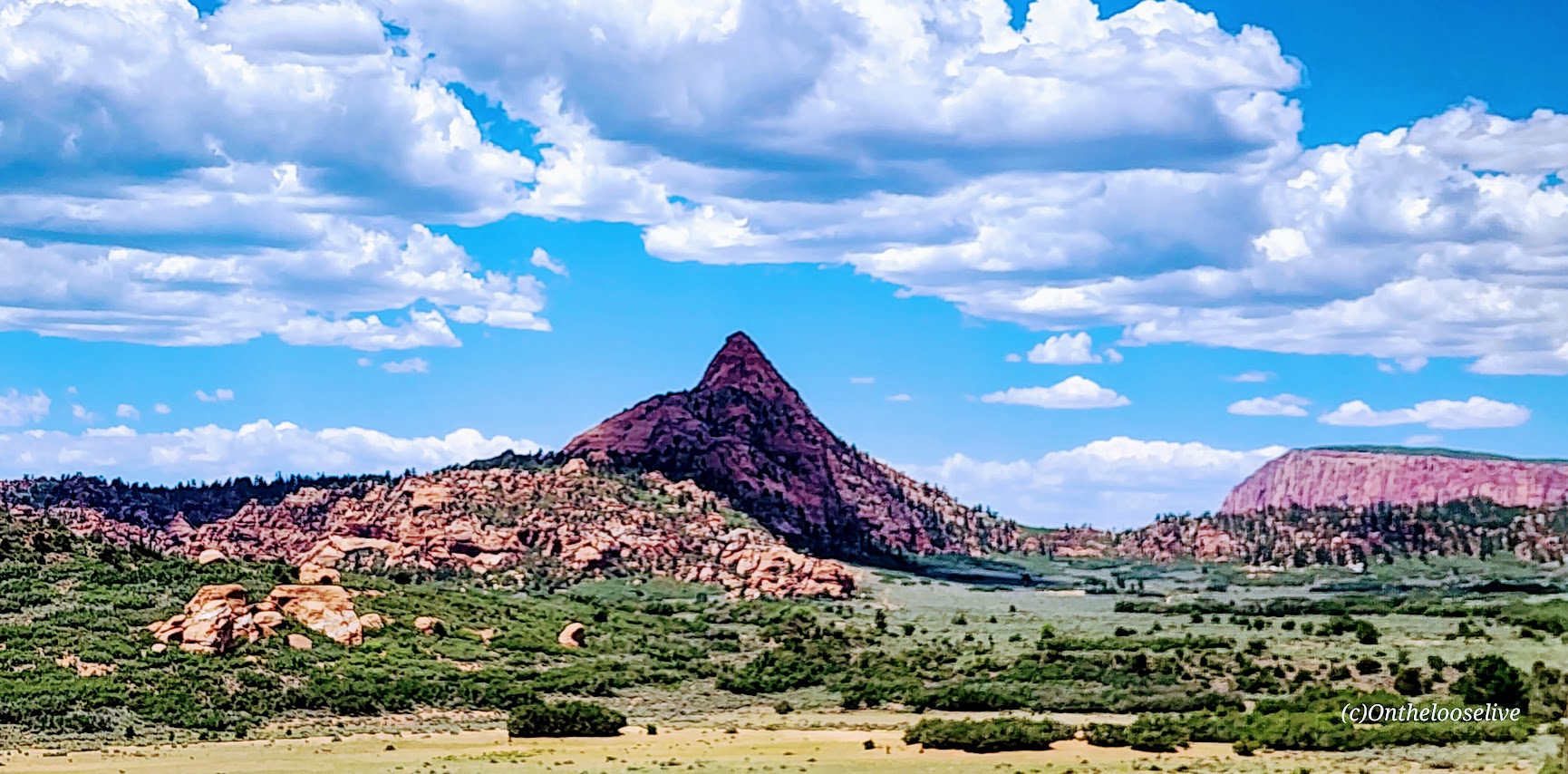
Kolob Canyon road views on the way are always nice too.

Happy Trails!