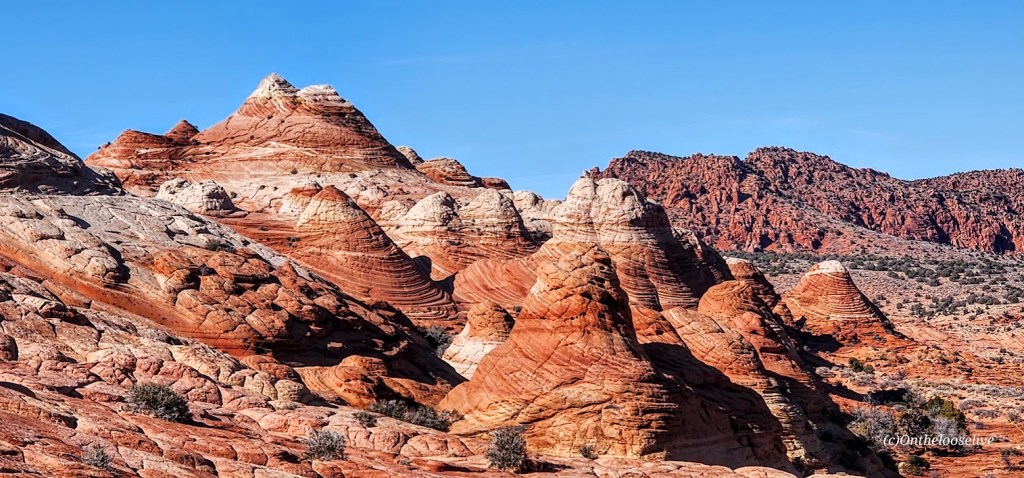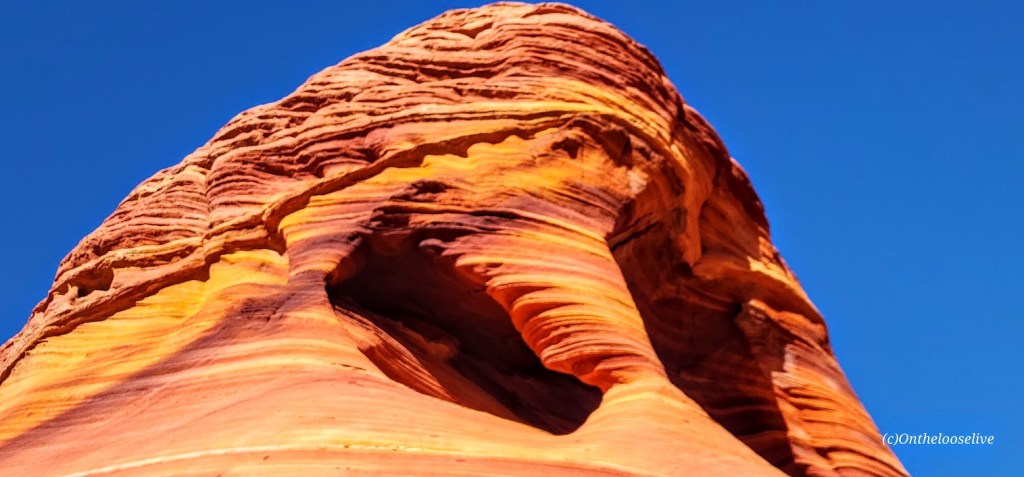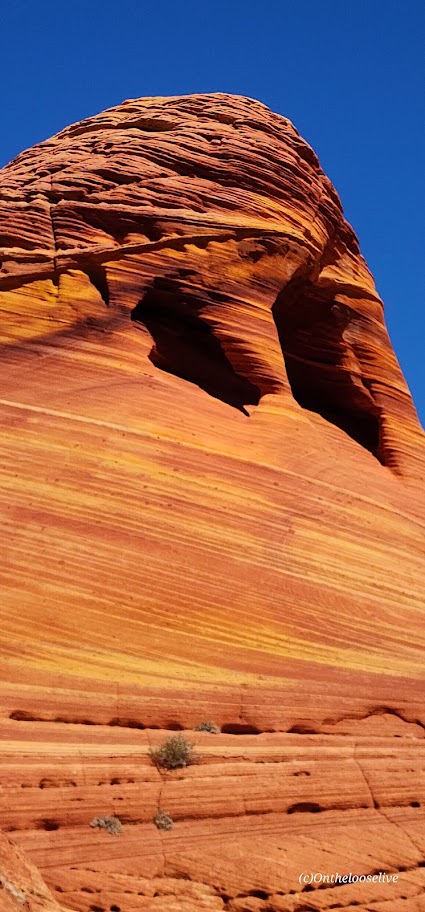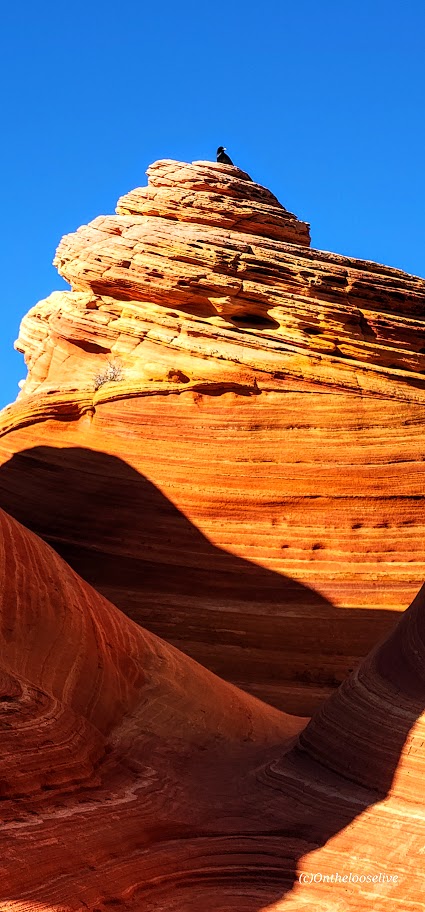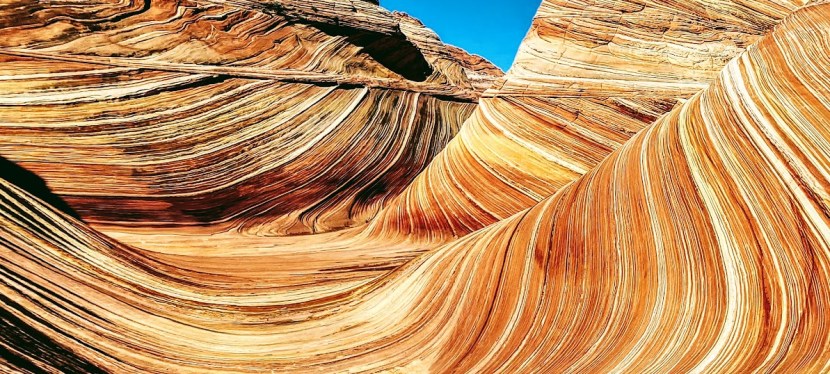
Hanging 10 at the Elusive Wave. Paria Canyon-Vermilion Cliffs Wilderness, AZ

After diligently trying for 3 years, my adventure partner Bernie finally lucked out and won the highly sought-after lottery for “The Wave” / Coyote Buttes North—one of the most striking geological wonders of the world. The trailhead is in Utah, but the Wave and the 3-mile hike to it are in Arizona.

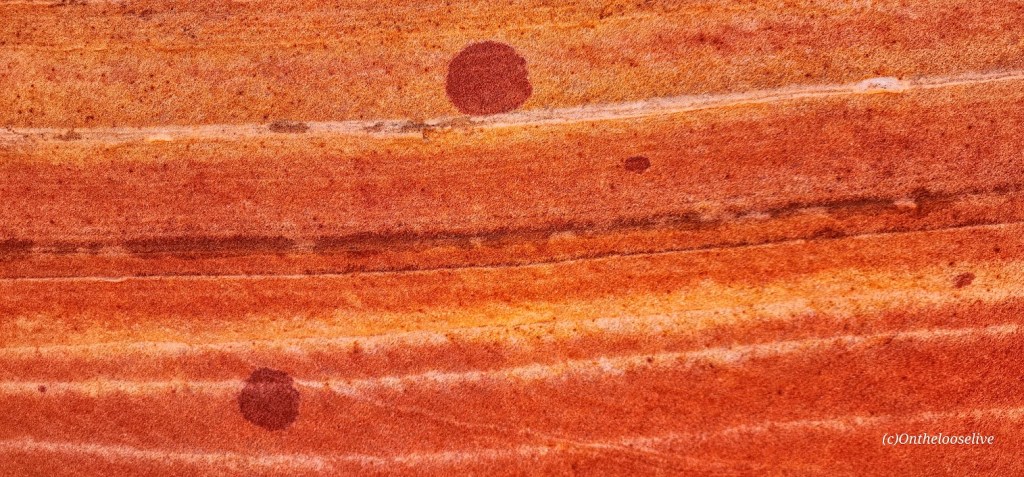
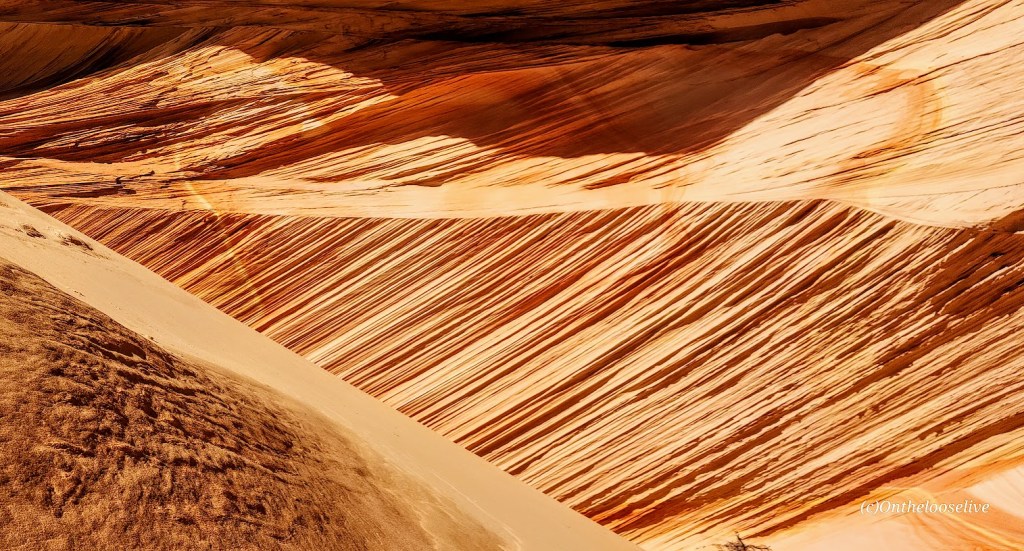
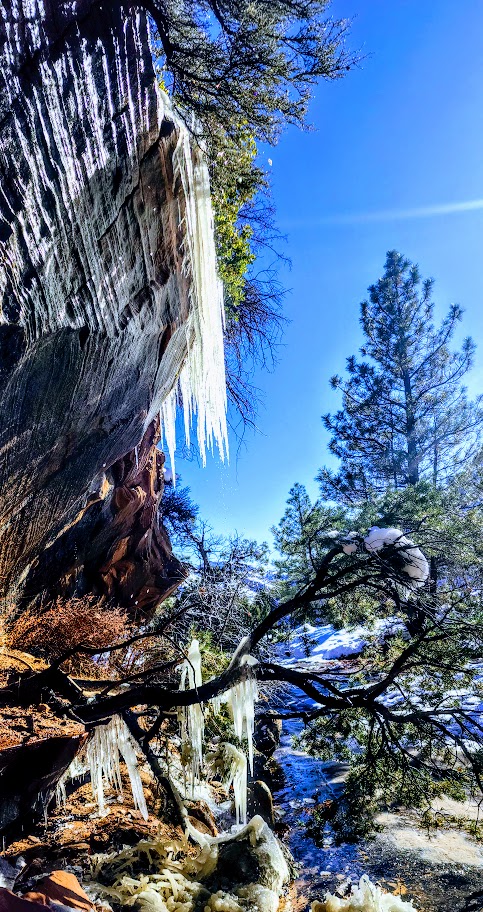
The landscape was enchanting from start to finish. The colorful, striped, groovy rock formations that comprise this mesmerizing geological wonderland are part of the 112K acre Paria Canyon-Vermilion Cliffs Wilderness. 

The Wave was awe-inspiring, though the area was much smaller than I’d envisioned. My photos don’t do it justice, but there are plenty out there that do.
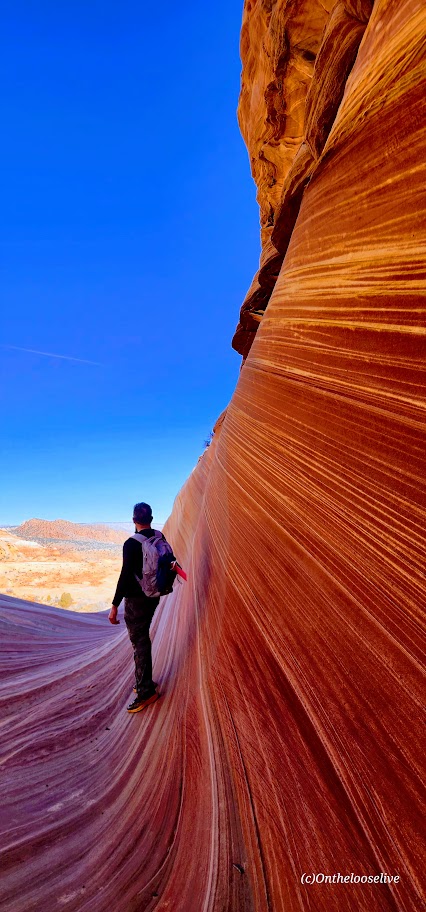
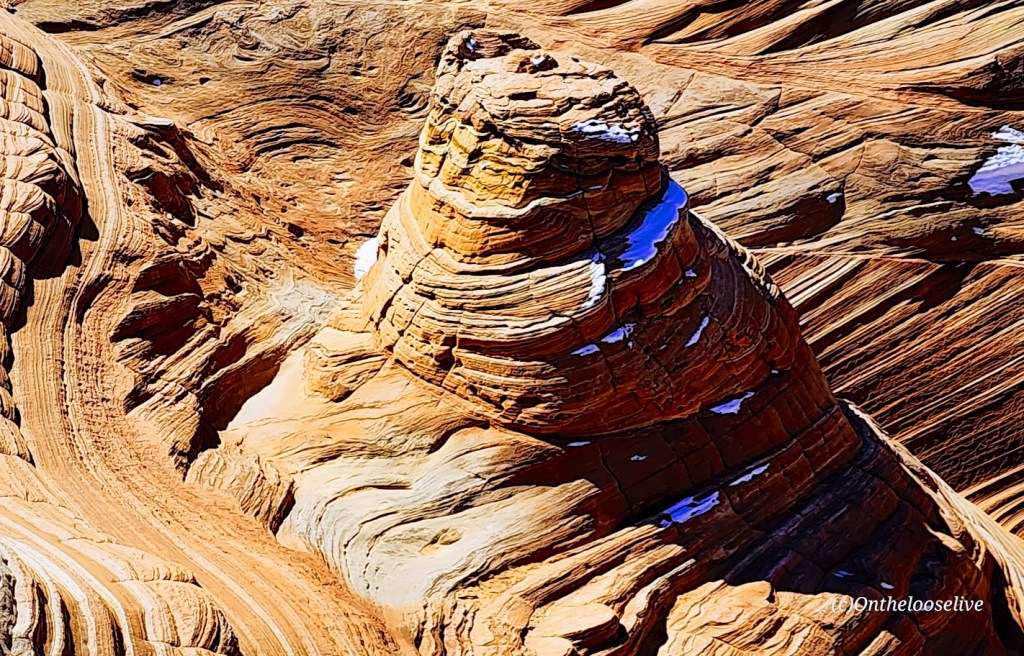
Unexpected highlights included some colorful formations along the way, an alcove, and a double arch beyond the Wave.

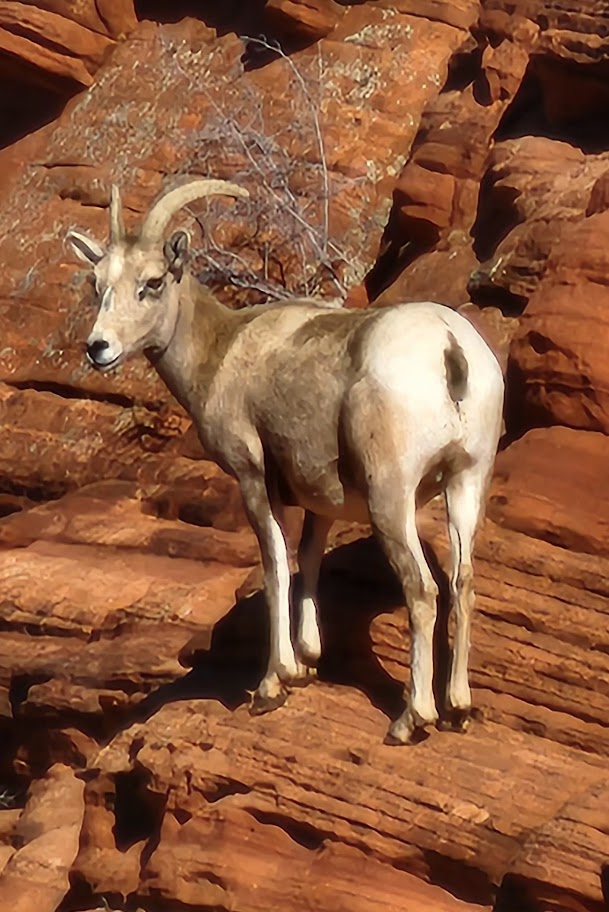
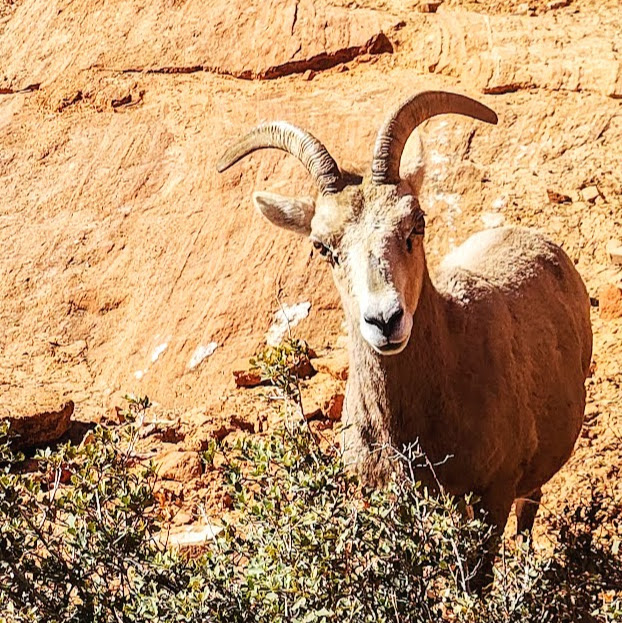
And we had the good fortune to run into some of the locals who get to call this area their home.

The maximum group size is 6, with a daily maximum of 64 people permitted. I’m for lotteries in these exquisite natural areas . It eliminates undesirable crowds, optimizes the visitor’s experience, and helps keep our natural wonders pristine. However, the lottery system for the Wave is complex and, as with most lotteries, not rigged in the player’s favor. One of our friends has been trying for 10 years! Some would argue that the system favors two tour companies that often swoop up the most permits and charge $200 per head to escort people to the main attraction and other points of interest when the group is game and time permits. Permit info.

One clear advantage of going with the guides is that they assume the risk of the notorious 9-mile drive to the Wirepass Trailhead on the rough and often unruly/treacherous House Rock Road. The perfect storm of ingredients, precipitation (rain or melting snow), thick sand, deep mud, and slick clay coagulates like quicksand to trap jeeps, trucks, and those silly enough to attempt the drive without a 4-wheel drive in their tracks. The tow cost alone likely would be several times the cost of a group tour. Our group evaluated the risks and the weather and took the tour with Dreamland Tours. Great operation, and I highly recommend our guide, Melanie Rader.

Naturally, despite doomsday predictions from the BLM and Visitor Center, the road was tame and easily passible with any 4-wheel drive on the day we went. Better safe than sorry as they say.

While we were disappointed that we couldn’t explore on our own, we appreciated the insights and highlights that Mel shared. We’re looking forward to exploring White Pocket next, along with the permitted Coyote Buttes South. A daily maximum of 20 people is permitted to visit Coyote Buttes South. Permit info.

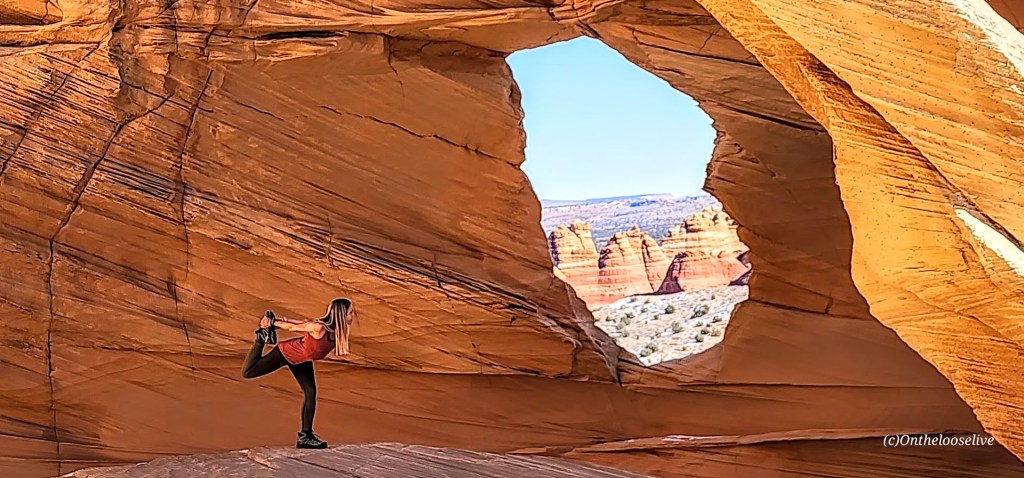
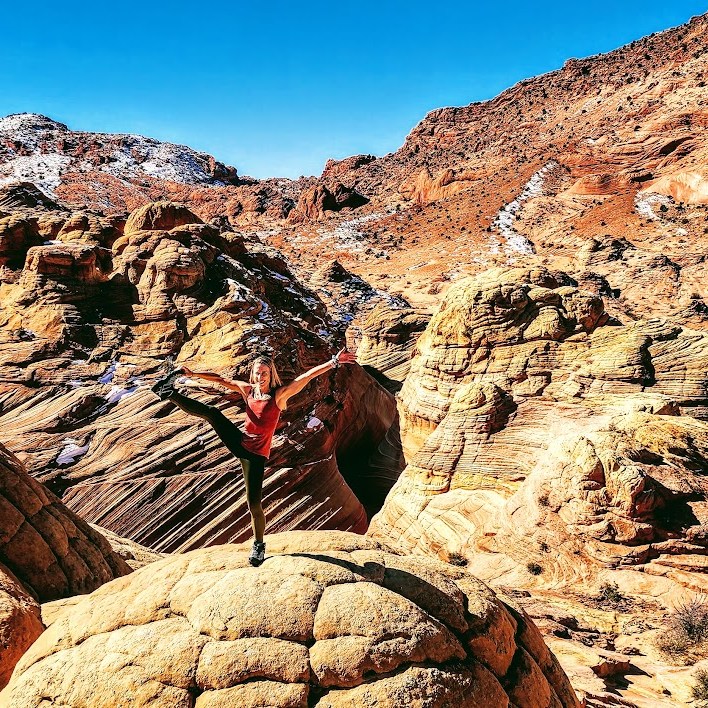
Ok, so I didn’t exactly hang ten here, but our friend, Cris did.
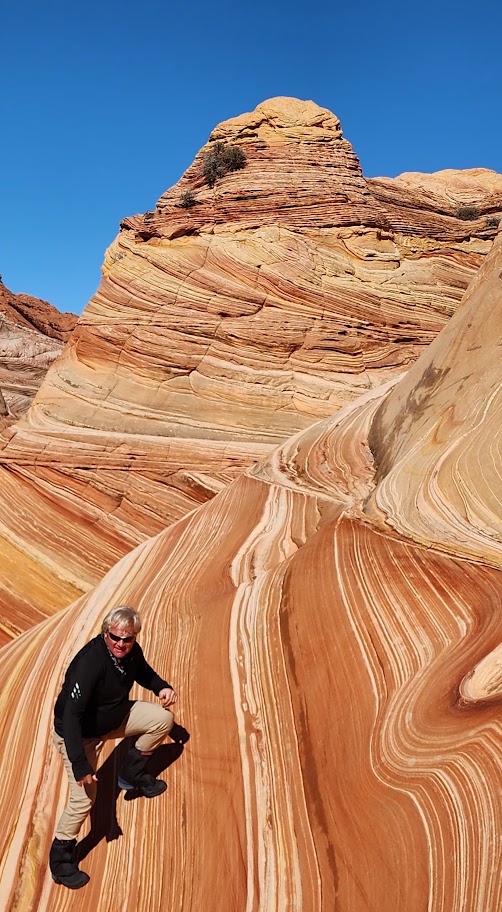
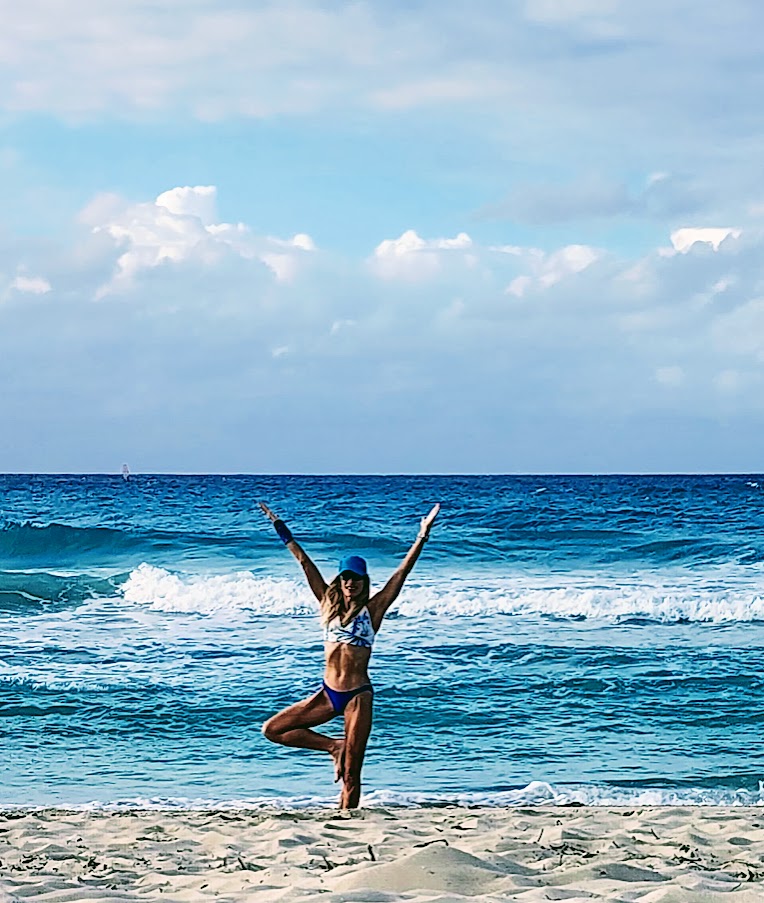
The yoga pose photobomber strikes again and again! Perhaps my yogi balance poses or headstand count?
Happy Adventures!

Zooming around the Zabriskie Point Loop, Death Valley National Park

Miles: ~7, options for additional explorations along the way in Gower Gulch, Gold Canyon, and Red Cathedral. You can also take the shorter, easier Badlands Loop (2.5 miles) for a quick immersion. If you’re not up for a hike, you can take the ¼ mile walk up a hill on a paved path to the lookout.

Elevation gain: 827 ft

Difficulty: Easy to moderate, depending on your fitness level. The trail is “runnable” when crowds are light.

Rated # 3 top hike in Death Valley National Park.

Among the most photographed spots in Death Valley National Park, Zabriskie Point boasts expansive views of yellow and brown striped hills, the badlands and salt flats beyond, and the Eastern Sierras in the far distance. Great for sunrise and sunset pics! I got there just before sunset so made it a fast zoom around. I’ve explored Golden Gulch before that’s worth it too!

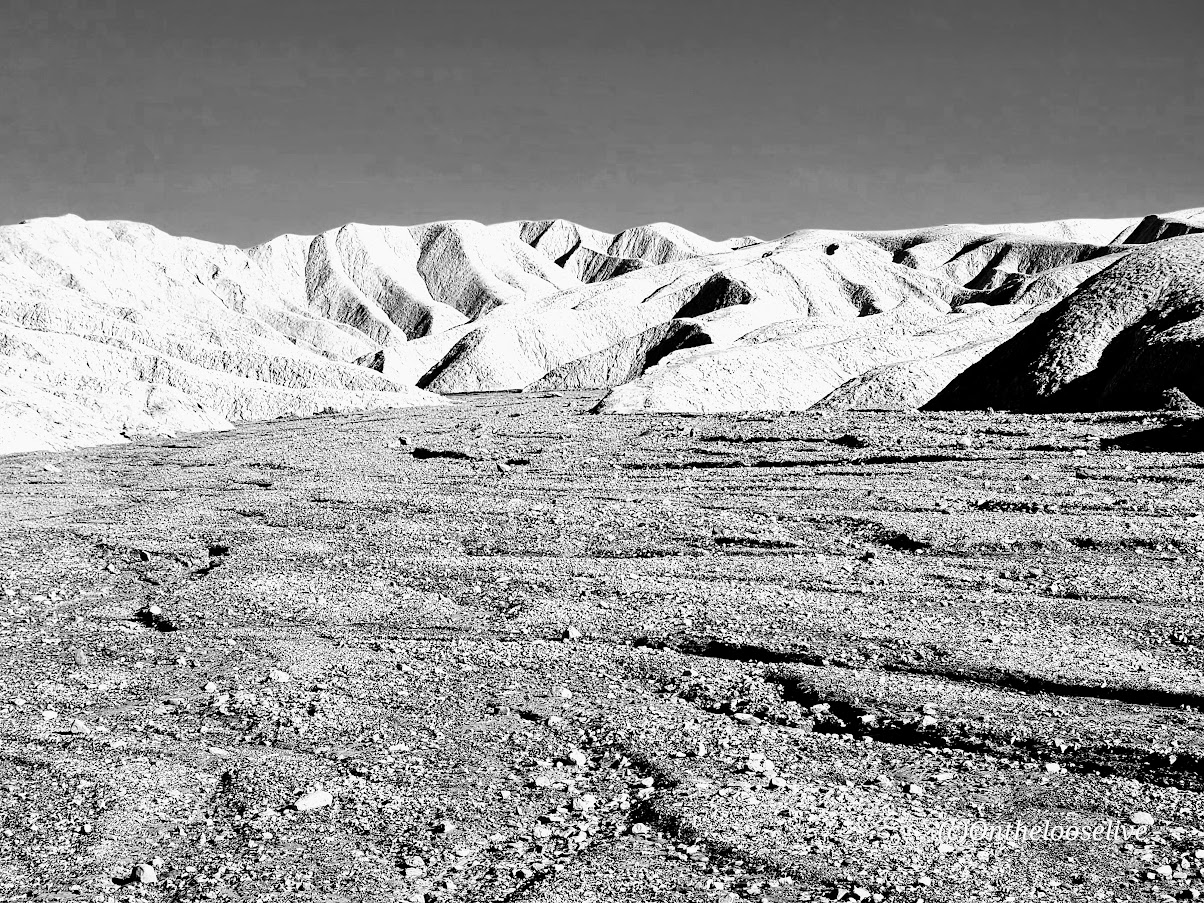
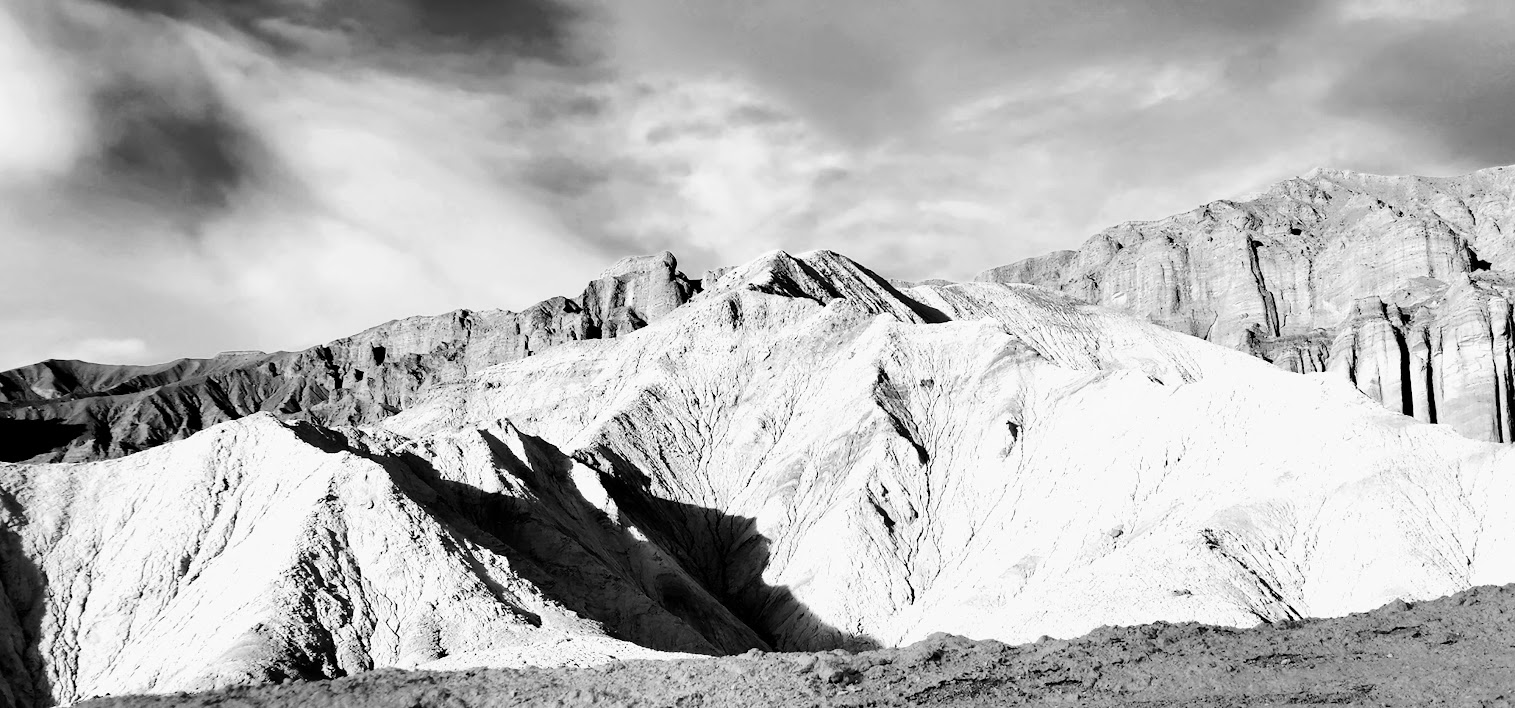
The dance of light and shadow on the stark dramatic landscape is compelling in color and black and white. It’s obvious why this area was one of Ansel Adam’s favorite photography playgrounds.

If you look closely at the picture on the right above, you can see the trail tracing its way up to the ridge.

Fun Fact: Death Valley is the hottest place on earth and the lowest, driest place in North America.

Getting there: The Zabriskie Point lookout and trailhead parking lot for both Badlands and the Zabriskie loop is a 15-minute drive East on Highway 190 from Furnace Creek Visitor Center.

Happy Trails!

Cuba Cycling Adventures Series (3): Varadero to Matanzas

Day 2 was one of my favorite days on my Cuba cycling adventure: a tranquil coastal ride, a swim in turquoise waters, a tour of Matanzas art district and historical square, and a modern art luncheon experience, followed by beach time and a decadent lobster feast back in Varadero.

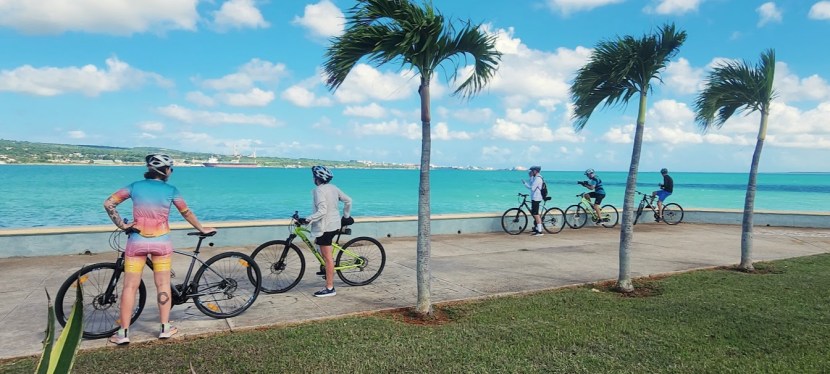
In the quiet of the morning, a white heron took flight as we rode by a lush green wetland area. The many shades of the shimmering turquoise sea were mesmerizing. Lucky me, I had the opportunity to immerse myself in the tropical sea at a secluded cove while we waited for the rest of the group to catch up.

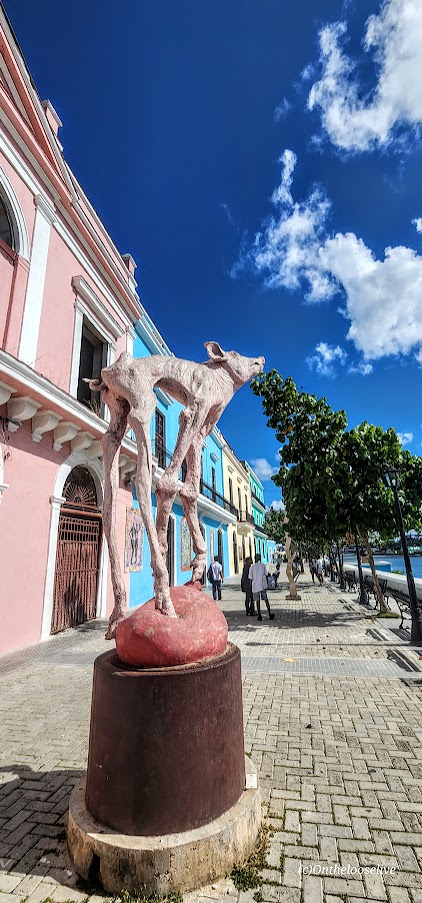
Back on the bikes, we rode along the beautiful beach esplanade, discovering one magnificent sculpture after another. It was a perfect prelude into the art-filled, picturesque town of Matanzas (known as the Venice of Cuba or City of Bridges).

In Matanzas, we enjoyed a casual stroll along the canal way that was lined with more sculptures, tile art, frescoes, galleries, and restaurants.

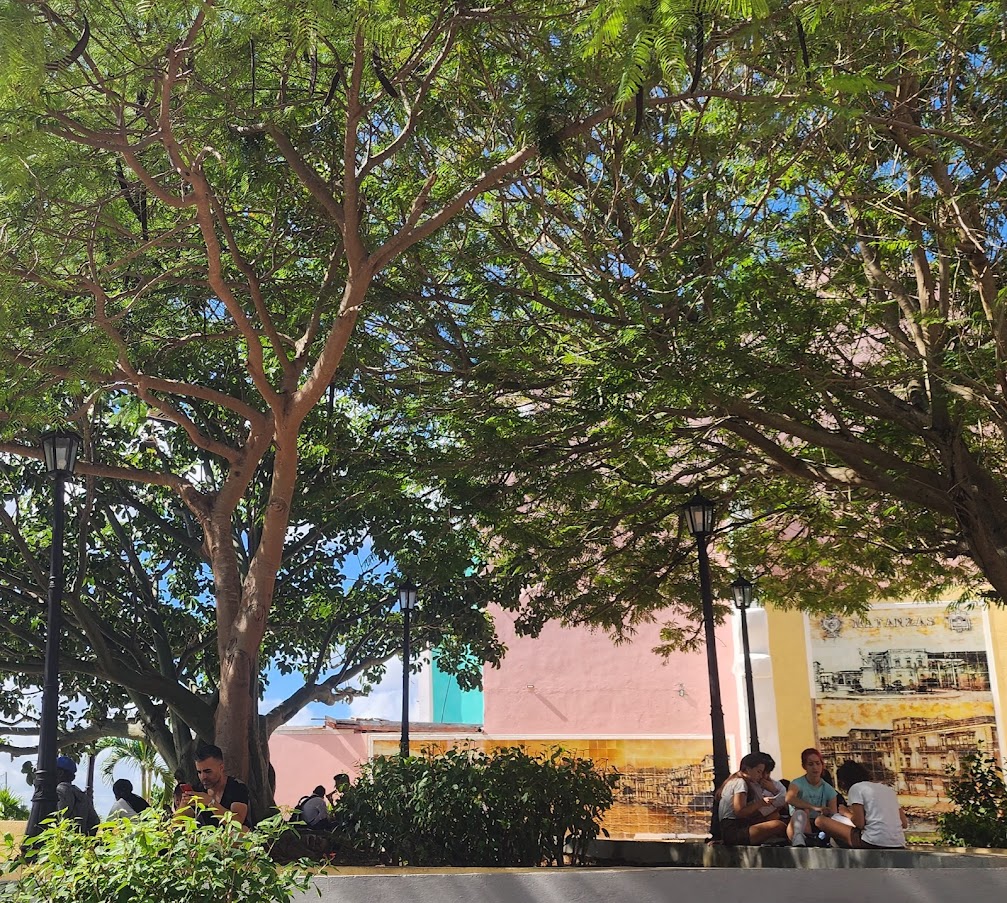
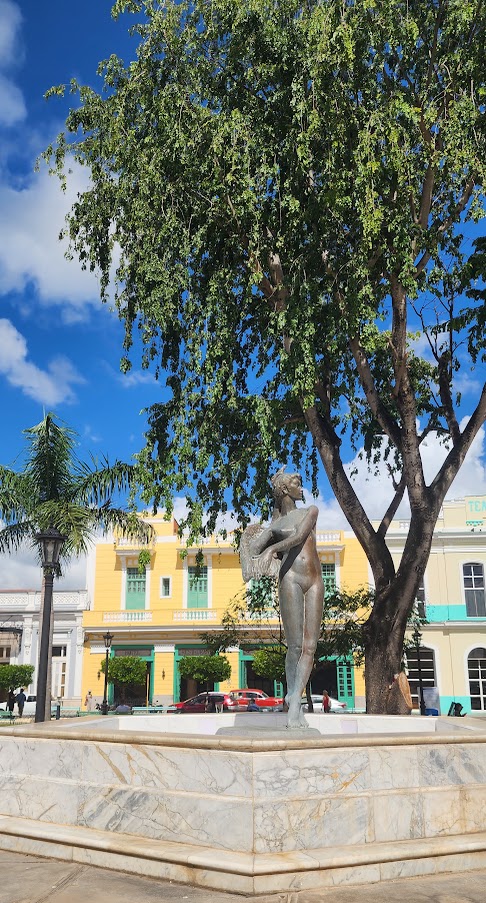
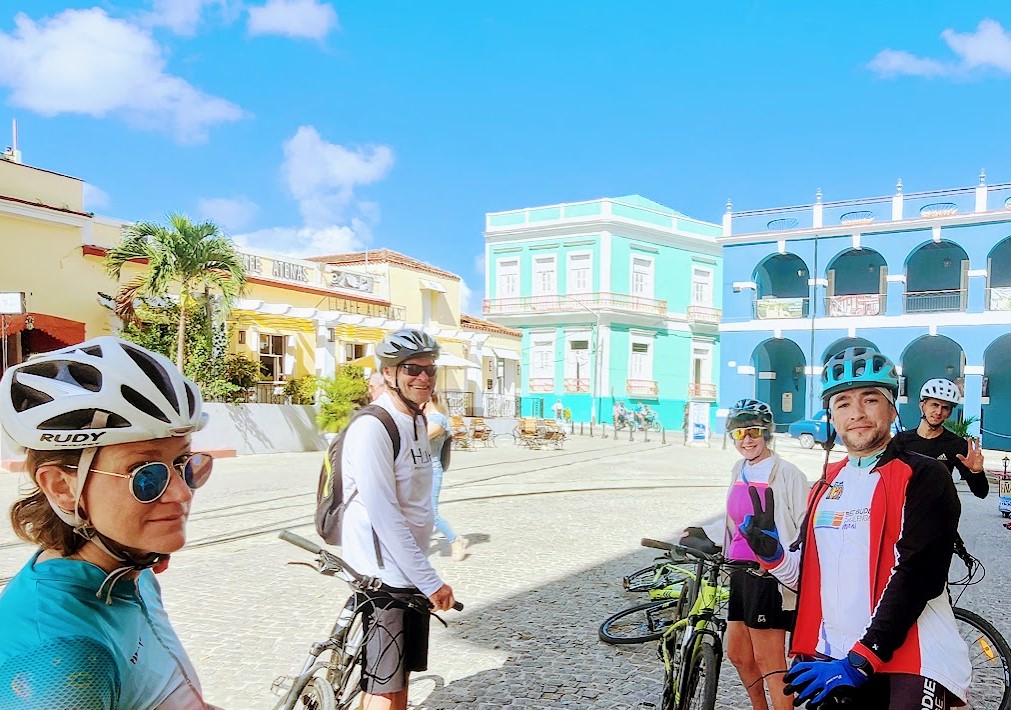
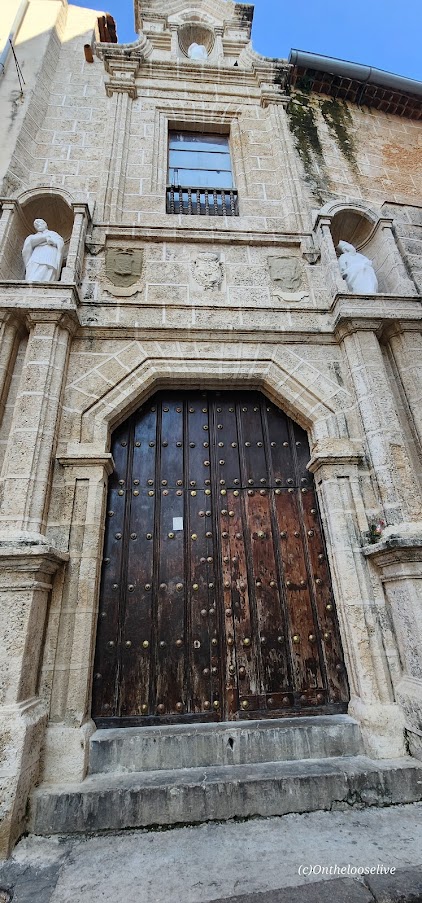
Next, we explored the charming town square.

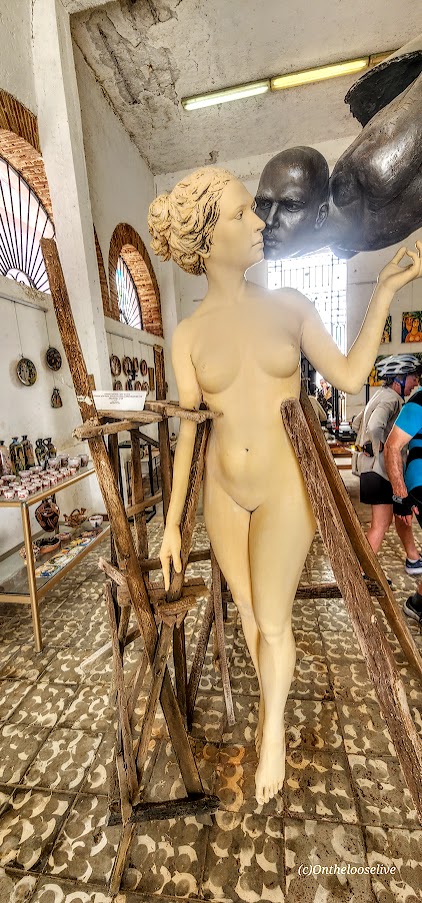
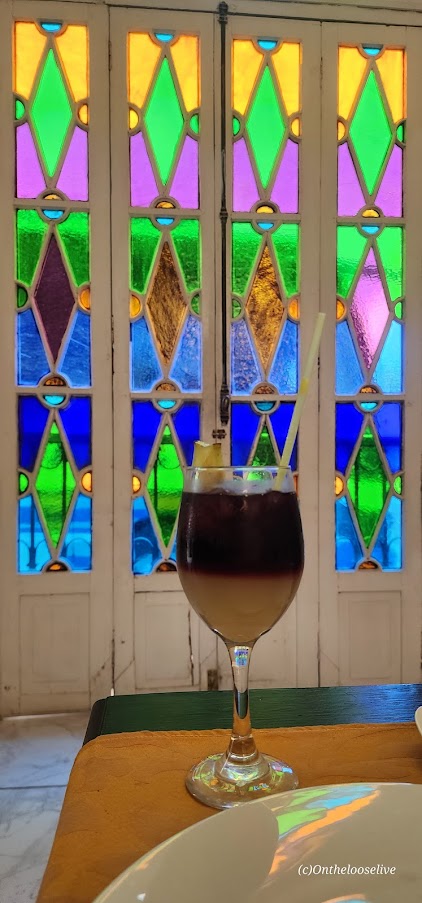
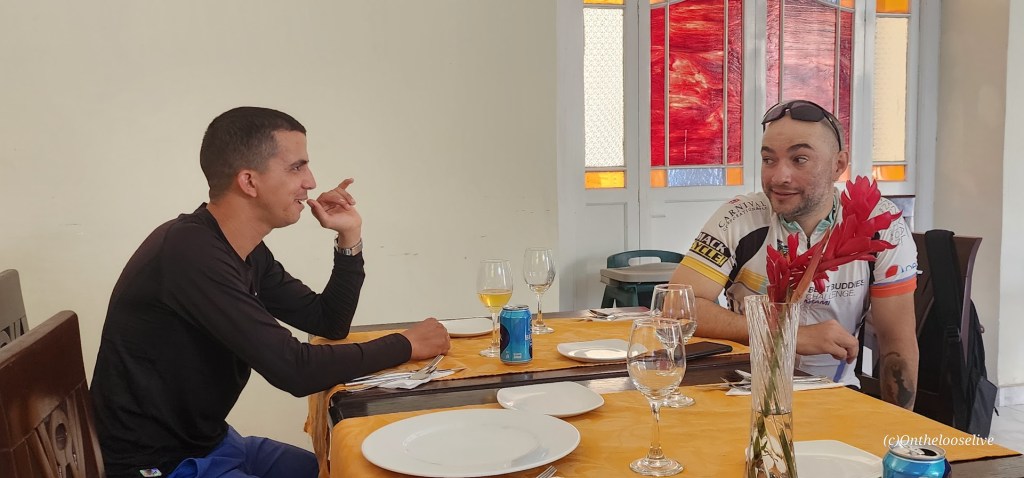
It was lunchtime next, and we dined in fine style—indulging in the local flavors and feasting our eyes on more colorful art and stained glass windows.

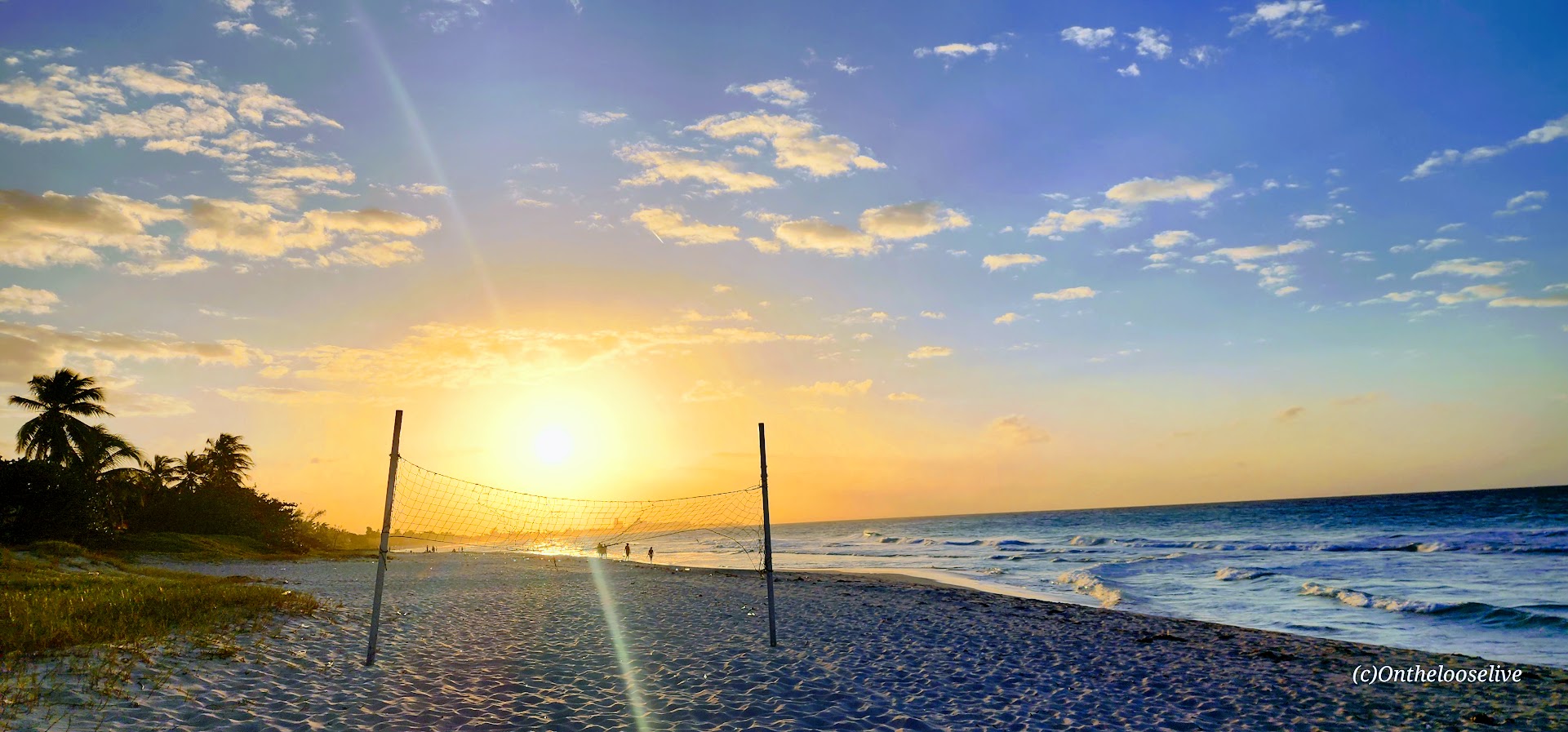
Upon return to Varadero, we enjoyed some beach time followed by another decadent lobster feast for me.

And so another amazing day with Cuban Adventures and my new friend, Vanessa, came to an end. Fortunately, the tour was just beginning! Stay tuned for the next postcard.
Happy Adventure Travels! Salud!

Cuba Cycling Adventure Postcard Series 2: Havana Highlights and History

[Feature Photo Credit: Kirk Hamilton]

On Day 1, we took a short, easy bike cruise through the neighborhoods of Vedado, Nuevo Vedado, and Miramar. So many sights to see. We packed in as much as we could, including the gorgeous architecture, the embassy district, historical monuments, a forest oasis, ancient town squares, and so much more. I apologize in advance for the poor photo quality—all were taken on the fly, but hopefully, they will still give you a good feel for the spirit of Havana.

All along the way, we saw art flourishing everywhere from sculptures to colorful building tiles and whimsical street art. Interesting that a communist country would have so much exuberant individual expression.

Plaza de la Revolución / Revolution Square

Part of the wave of architectural and infrastructure works carried out by the Batista government, this square features a monument to Jose Marti, and steel memorials to the two most important deceased heroes of the Cuban revolution Che Guevara (Fidel’s right-hand revolutionary man, until he wasn’t) with the quotation “Hasta la Victoria Siempre” (Ever Onward to Victory) and Camilo Cienfugus(Fidel’s left-hand revolutionary man, until he wasn’t), with the quotation “Vas bien, Fidel” (You’re doing fine, Fidel).

Havana Forest

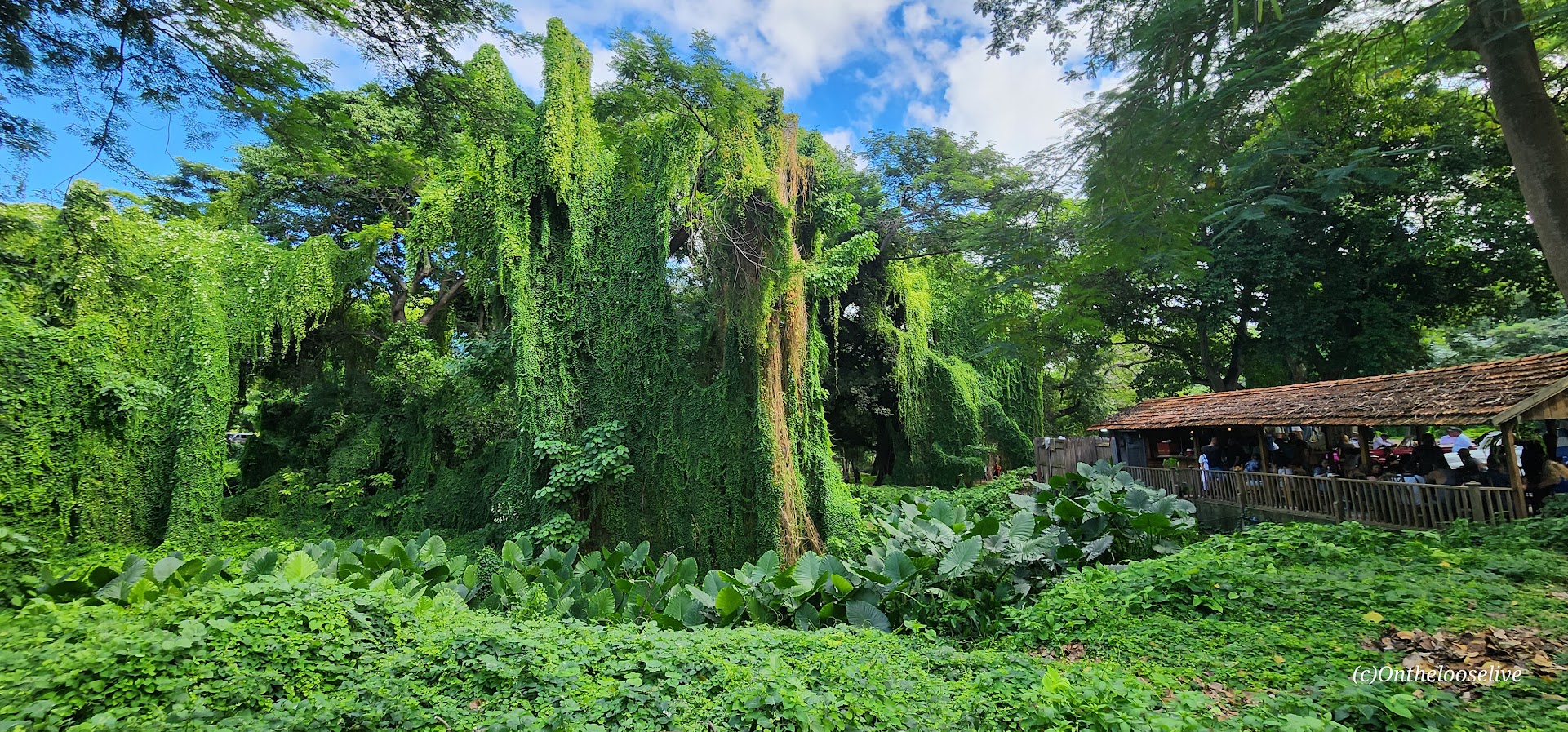
What a wonderful surprise to come around a suburban corner, cross a bridge over the Almendares River, and suddenly be enveloped by the lush green canopy of the Havana Forest, a protected tropical oasis between the municipalities of Plaza and Playa.

Hotel Nacional

A couple of us stopped at the Hotel Nacional for some refreshments. Built in 1930, the Hotel Nacional is a national monument and part of UNESCO’s Cuban National Memory.

 Strolling with the peacocks and other tourists through the lovely grounds, enjoying the expansive view of the Malecon and the shimmering seas, you’d never guess this grand hotel’s dark and bloody history. 

October 2-3, 1933, The Battle of the Hotel Nacional of Cuba

A  bloody siege known as the Battle of the Hotel Nacional of Cuba was led by Sergeant Fulgencio Batista against the previously high-ranking military officers who were regrouping in the hotel. During the battle, thirty Batista soldiers were killed on the grounds, as were 2 of the high-ranking officials during the battle. Batista’s soldiers subsequently killed the remaining high-ranking officials from the previous government.

1946 Havana Conference Did you know that from the beginning of the 20th century until the Revolution in 1959, Havana was known as the playground of US Mafia bosses? (I didn’t.) From the 1940s, Mobsters made the Hotel Nacional their home away from home as they built their casinos and hotels and conducted their “business” in Cuba. Arranged by Charles “Lucky” Luciano, the hotel hosted the infamous Havana Conference in 1946. The US Mafia and the Sicilian Cosa Nostra leaders met to discuss their “business interests” in Cuba and around the world.

If you’re getting the impression that Cuba’s history was tumultuous, you’d be spot on. Watch the eye-opening Cuba Libra series on Netflix to learn more about Cuba’s history (and America’s questionable and controversial involvement).

In the afternoon, we enjoyed a walking tour exploring 4 of Havana’s 5 colonial city squares/centers—a must-do. Bustling with tourists and locals alike, you can immerse yourself in the history as you explore the cafés, restaurants, and galleries and admire artisans’ wares to the spicy soundtrack of street musicians.

Plaza Vieja, located in the central part of the Old Havana district, is a UNESCO World Heritage Site. It was first built in 1559 and boasts gorgeous buildings dating back to the 17th, 18th, and 19th centuries.

Plaza de la Catedral The Catedral de la Havana was built in the 18th century. One of 11 Catholic cathedrals in Cuba, it is best known for housing Christopher Columbus’ remains until the end of the 19th century, when they were moved to Seville.

Plaza de Armas is the oldest and largest square in Old Havana.

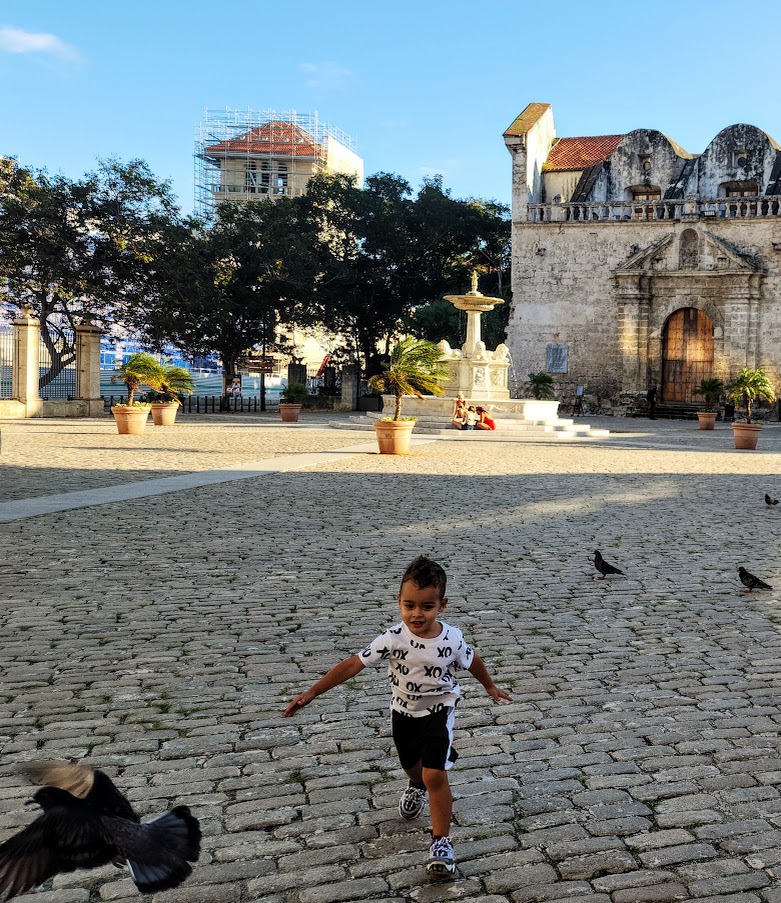
Plaza de San Francisco de Asis was the colonial center back in the 16th century. It was fully restored during the 1990s.

The food did not disappoint (understatement). Breakfast fruits. Lunch was the traditional dish of Ropa Vieja, shredded meat cooked with onions, peppers, olives, tomato sauce, and spices like cumin and oregano. For dinner, I indulged in a grilled lobster. All were delicious, especially the lobster – what a treat (that I would have to repeat, threepeat, and I confess too much)!

After taking in as many sights as we could, it was time to hop on the bus with our bikes and head to our next destination, the beach resort town of Varadero. To be continued…

Happy adventure traveling!