
[Feature Photo Credit: Kirk Hamilton]
On Day 1, we took a short, easy bike cruise through the neighborhoods of Vedado, Nuevo Vedado, and Miramar. So many sights to see. We packed in as much as we could, including the gorgeous architecture, the embassy district, historical monuments, a forest oasis, ancient town squares, and so much more. I apologize in advance for the poor photo quality—all were taken on the fly, but hopefully, they will still give you a good feel for the spirit of Havana.
All along the way, we saw art flourishing everywhere from sculptures to colorful building tiles and whimsical street art. Interesting that a communist country would have so much exuberant individual expression.




Plaza de la Revolución / Revolution Square
Part of the wave of architectural and infrastructure works carried out by the Batista government, this square features a monument to Jose Marti, and steel memorials to the two most important deceased heroes of the Cuban revolution Che Guevara (Fidel’s right-hand revolutionary man, until he wasn’t) with the quotation “Hasta la Victoria Siempre” (Ever Onward to Victory) and Camilo Cienfugus(Fidel’s left-hand revolutionary man, until he wasn’t), with the quotation “Vas bien, Fidel” (You’re doing fine, Fidel).


Havana Forest
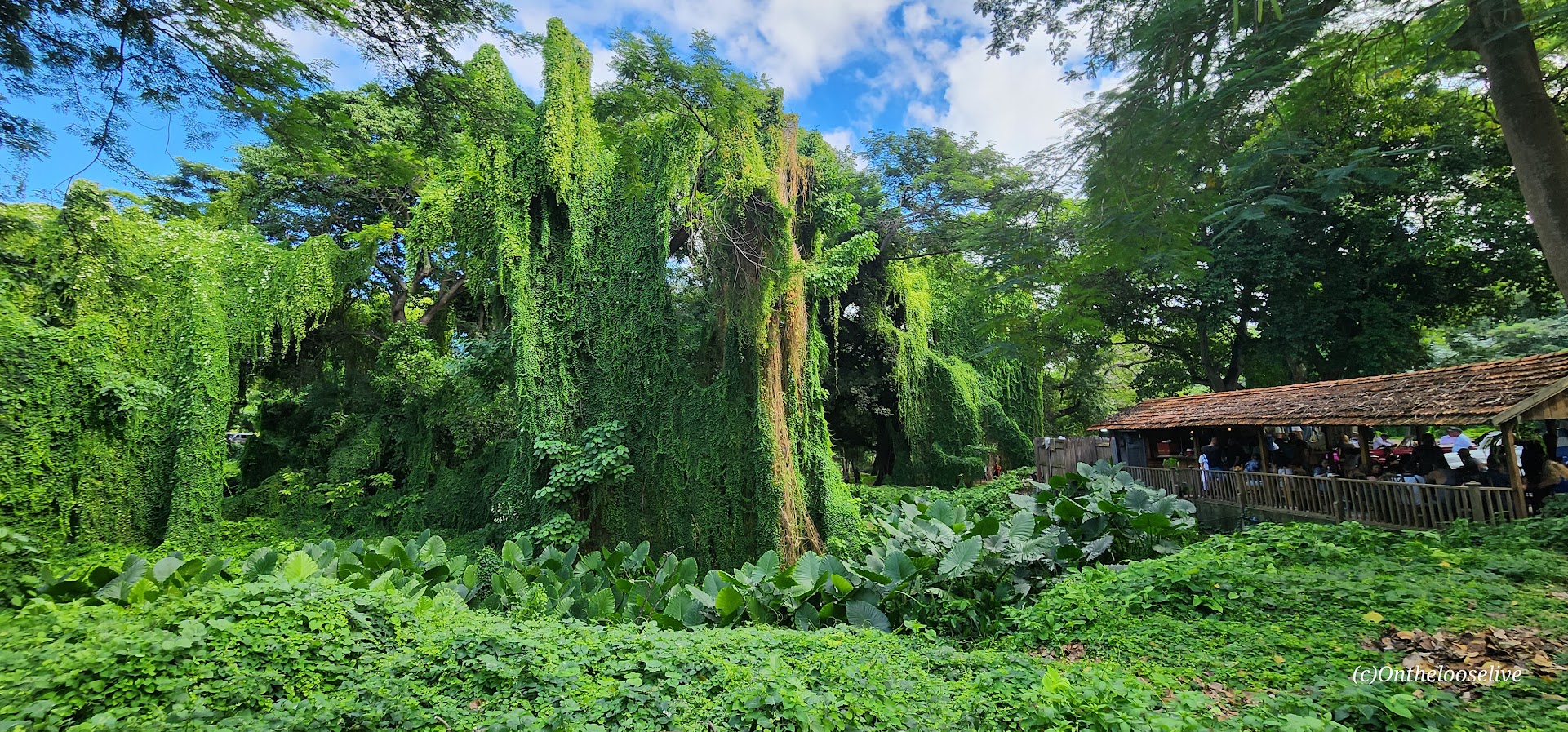
What a wonderful surprise to come around a suburban corner, cross a bridge over the Almendares River, and suddenly be enveloped by the lush green canopy of the Havana Forest, a protected tropical oasis between the municipalities of Plaza and Playa.

Hotel Nacional
A couple of us stopped at the Hotel Nacional for some refreshments. Built in 1930, the Hotel Nacional is a national monument and part of UNESCO’s Cuban National Memory.
Strolling with the peacocks and other tourists through the lovely grounds, enjoying the expansive view of the Malecon and the shimmering seas, you’d never guess this grand hotel’s dark and bloody history.


October 2-3, 1933, The Battle of the Hotel Nacional of Cuba
A bloody siege known as the Battle of the Hotel Nacional of Cuba was led by Sergeant Fulgencio Batista against the previously high-ranking military officers who were regrouping in the hotel. During the battle, thirty Batista soldiers were killed on the grounds, as were 2 of the high-ranking officials during the battle. Batista’s soldiers subsequently killed the remaining high-ranking officials from the previous government.
1946 Havana Conference Did you know that from the beginning of the 20th century until the Revolution in 1959, Havana was known as the playground of US Mafia bosses? (I didn’t.) From the 1940s, Mobsters made the Hotel Nacional their home away from home as they built their casinos and hotels and conducted their “business” in Cuba. Arranged by Charles “Lucky” Luciano, the hotel hosted the infamous Havana Conference in 1946. The US Mafia and the Sicilian Cosa Nostra leaders met to discuss their “business interests” in Cuba and around the world.
If you’re getting the impression that Cuba’s history was tumultuous, you’d be spot on. Watch the eye-opening Cuba Libra series on Netflix to learn more about Cuba’s history (and America’s questionable and controversial involvement).
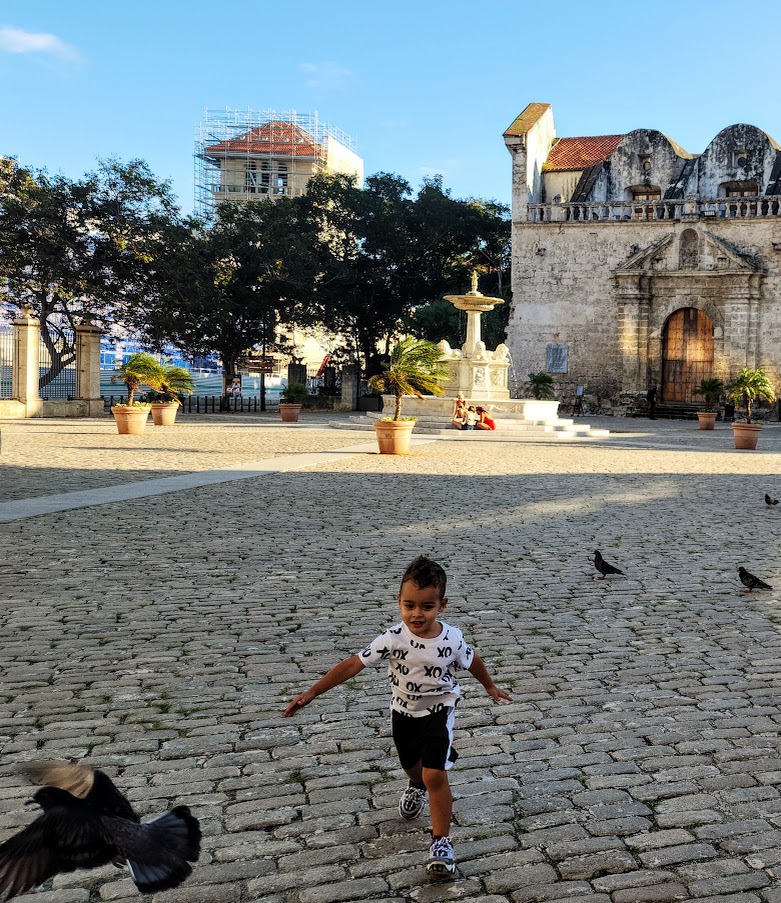
In the afternoon, we enjoyed a walking tour exploring 4 of Havana’s 5 colonial city squares/centers—a must-do. Bustling with tourists and locals alike, you can immerse yourself in the history as you explore the cafés, restaurants, and galleries and admire artisans’ wares to the spicy soundtrack of street musicians.
Plaza Vieja, located in the central part of the Old Havana district, is a UNESCO World Heritage Site. It was first built in 1559 and boasts gorgeous buildings dating back to the 17th, 18th, and 19th centuries.
Plaza de la Catedral The Catedral de la Havana was built in the 18th century. One of 11 Catholic cathedrals in Cuba, it is best known for housing Christopher Columbus’ remains until the end of the 19th century, when they were moved to Seville.
Plaza de Armas is the oldest and largest square in Old Havana.
Plaza de San Francisco de Asis was the colonial center back in the 16th century. It was fully restored during the 1990s.






The food did not disappoint (understatement). Breakfast fruits. Lunch was the traditional dish of Ropa Vieja, shredded meat cooked with onions, peppers, olives, tomato sauce, and spices like cumin and oregano. For dinner, I indulged in a grilled lobster. All were delicious, especially the lobster – what a treat (that I would have to repeat, threepeat, and I confess too much)!


After taking in as many sights as we could, it was time to hop on the bus with our bikes and head to our next destination, the beach resort town of Varadero. To be continued…
Happy adventure traveling!

 On the Loose Live